Zero Defects, Zero Waste: Why Precision Manufacturing is Earth Day's Most Underrated Green Tech
Abstract
Every defective part is a carbon emission bill that no one has calculated. The most powerful environmental lever in manufacturing is hiding quietly on the production floor—it isn't called "renewable energy"; it is called process precision. In this issue, we use Eurostat labor data as our entry point to explore the environmental logic of zero-defect manufacturing, unpack the real engineering demands behind the EFUP 15 marking and the recyclable symbol on smart assembly equipment, and examine how these product markings align with the EU's Right to Repair Directive and Circular Economy Action Plan. Together, they reveal a quality crisis quietly unfolding—and an environmental cost that has long gone unacknowledged. In the era of New Energy Vehicles (NEV), zero-defect assembly is not merely a quality benchmark: it is an environmental commitment.
The Hidden Sustainability Problem in Manufacturing
Every April 22nd, corporate sustainability reports are updated with renewable energy procurement, carbon credit portfolios, and Scope 3 reduction roadmaps. These are vital. However, the most critical environmental variable almost never appears on any sustainability roadmap: the embedded carbon cost of scrap.
Imagine this: a seal for an NEV battery case fails quality inspection because the dispensing path deviated by a mere 0.6 mm, or a tiny bubble compromised the bead's integrity. When that part is marked as scrap, you aren't just losing a component. You are discarding an environmental bill for every upstream input:
Lithium extracted from salt lakes in Chile.
Aluminum smelting processes consuming approximately 14,000 kWh per ton.
Precision machining across multiple countries and supply tiers.
Specialized structural adhesives transported via strict cold-chain logistics.
All the energy consumed by every preceding station on the assembly line.
That single scrap event leaves an embedded carbon footprint that no renewable energy certificate can offset after the fact. Sustainability doesn't start at the smokestack; it starts at the assembly station.
The Labor Shift and the Quiet Quality Crisis
According to Eurostat's Labour Force Survey (LFS), EU manufacturing employs roughly 30 million workers, serving as the backbone of the industrial economy [1]. However, Job Vacancy Statistics (dataset jvs_q_nace2) show that vacancy rates have remained persistently high, hovering between 2.4% and 2.8% in 2022–2023, consistently placing manufacturing among the top sectors for unfilled positions across Europe [2].
The structural driver, as highlighted by Eurostat and Eurofound research, is an aging workforce and a persistent erosion of craft skills. Experienced senior technicians are retiring in large numbers, and new hires require considerable time to accumulate equivalent process competence. This capability gap is particularly acute on NEV production lines, where precision requirements continue to rise [3].
A comparable pattern emerges across the Atlantic, where the U.S. Bureau of Labor Statistics (BLS) projects 963,000 annual production job openings in North America, driven primarily by natural workforce turnover rather than industry expansion [4]. The trend spans continents and points to one conclusion: the labor transition in advanced manufacturing is a global phenomenon, and European manufacturing sits at its center.
Several roles sit at the direct intersection of labor flux and environmental risk:
Quality Inspectors are the last line of defense before defective parts reach the market. If that line breaks, the cost isn't just a warranty claim—it's the full environmental price of premature scrap, secondary manufacturing, and total replacement.
Assembly and Production Workers hold the most quality-critical touchpoints on the production chain. When a veteran leaves and a novice takes over, process variation rises and First Pass Yield (FPY) drops.
Machine Operators and Welders occupy roles where process fluctuations translate directly into raw material waste—waste that almost never appears in any corporate environmental accounting.
The pattern is consistent: experienced workers leave, beginners fill in, and scrap rates rise. In traditional manufacturing, this is a cost issue. In NEV and high-reliability electronics manufacturing, rising scrap is a carbon emission issue. Every scrapped battery case, every failed motor component, every out-of-spec connector represents not just the loss of a single part—but the loss of all its upstream embedded energy.
The labor transition is also an environmental story.
From Compliance to Responsibility: Engineering Environmental Accountability into the Machine Itself
In 2026, merely "meeting the standards" is no longer sufficient to satisfy what forward-thinking manufacturers expect from their equipment suppliers. On Leetx and Centron machines, two markings are easily overlooked yet carry significant weight. They are not marketing elements—they are engineering commitments that must be honored across the full product lifecycle.
1-Marking One: EFUP 15—The Technical Boundary of Material Stability, and a Declaration Against Planned Obsolescence
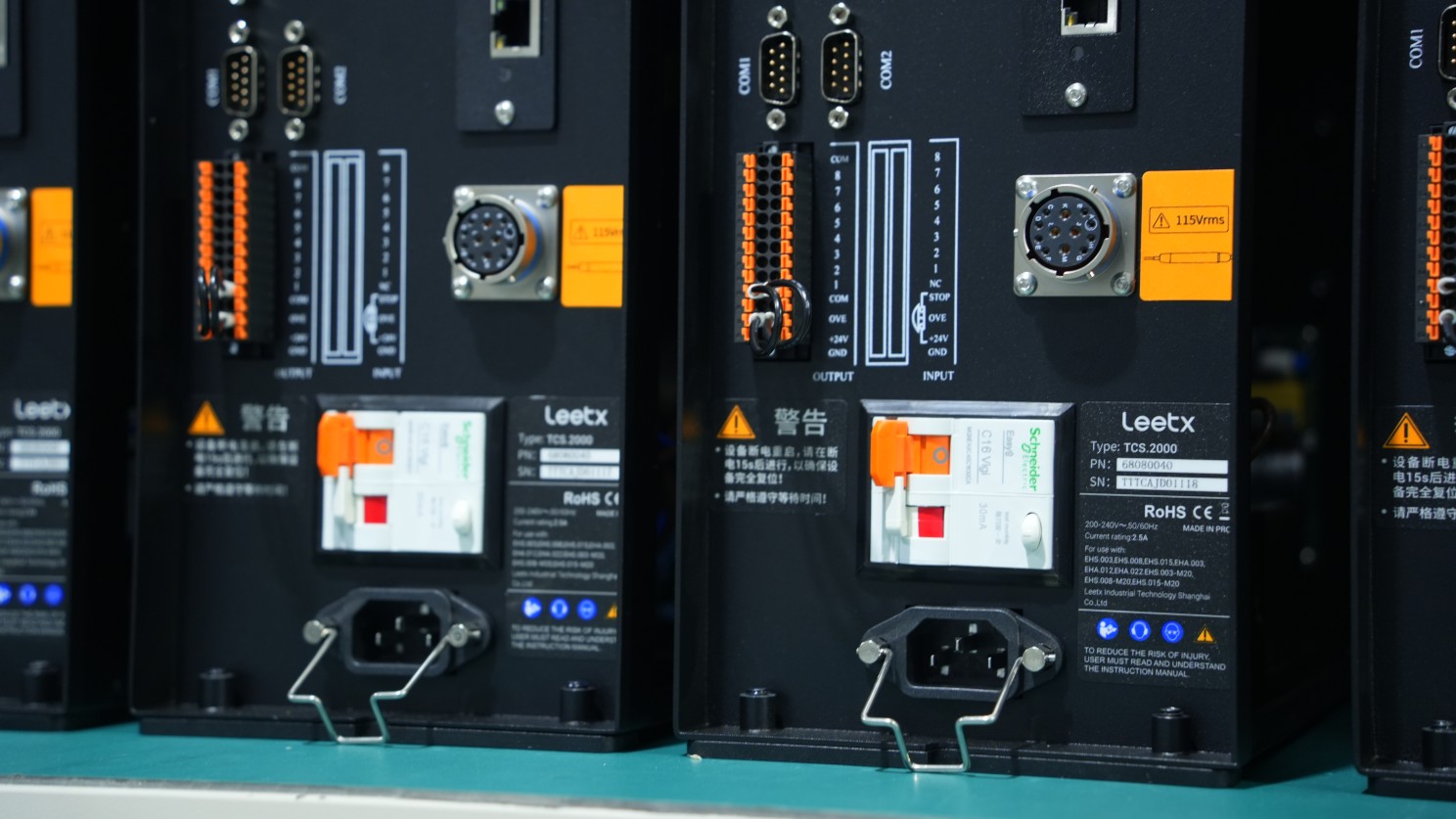
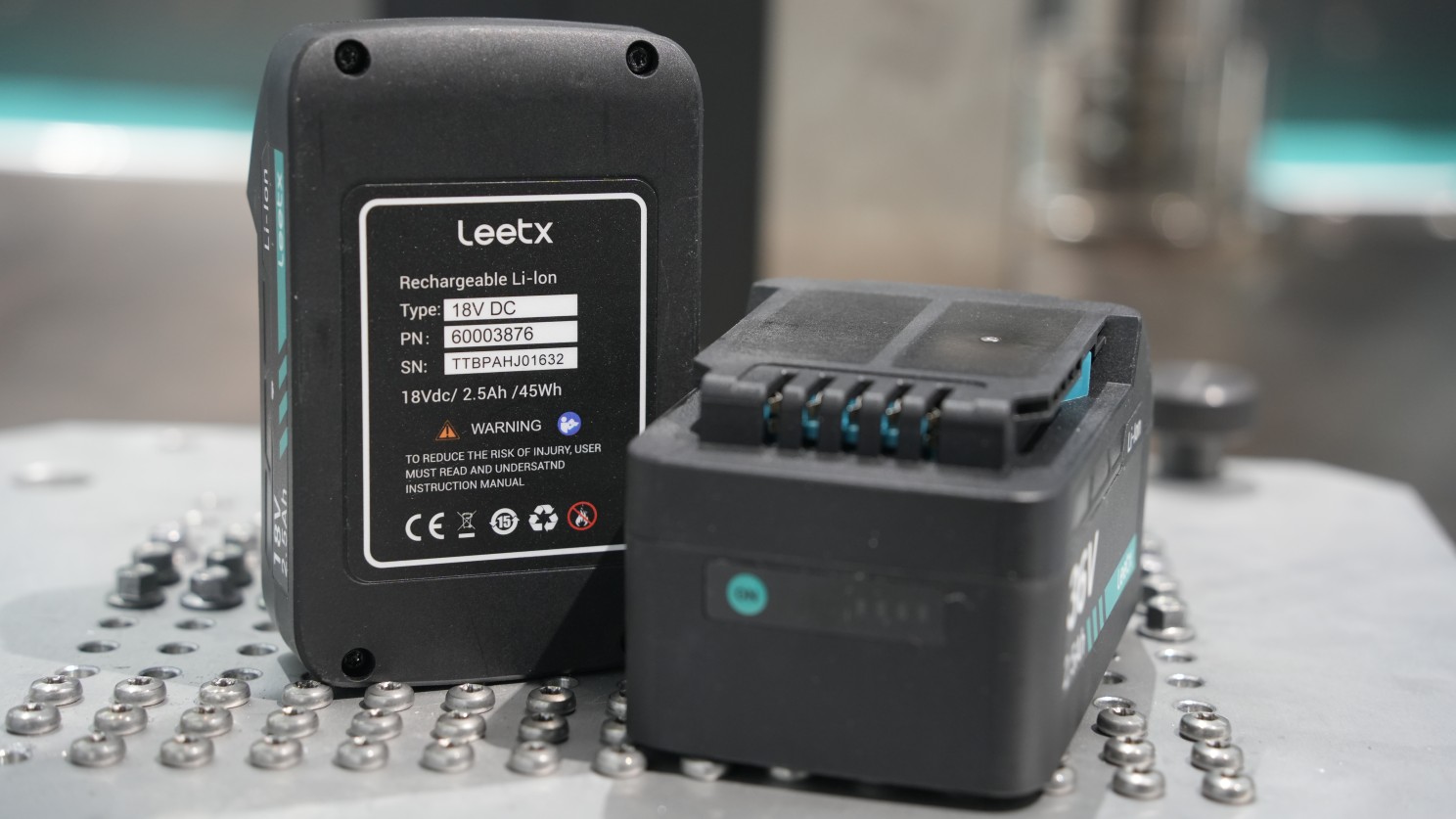
EFUP—Environment-Friendly Use Period—is an environmental safety parameter required under China's standard for hazardous substance restriction marking in electronic and electrical products (SJ/T 11364). The circular-arrow symbol bearing the number "15" on our equipment nameplates means that under normal operating conditions, the hazardous substances contained within the device will neither leak nor undergo chemical transformation for 15 years, posing no serious threat to the environment or human safety.
The primary significance of this marking is material safety—but its engineering implications extend considerably further. A 15-year commitment to hazardous substance stability presupposes a systemic design constraint on the equipment's overall structural lifespan. For a machine to legitimately claim EFUP 15, its mechanical precision retention, electrical component reliability, and protective structure integrity must all be engineered and verified on that same 15-year time horizon. EFUP 15, in other words, is not an isolated environmental label—it is the outward expression of an anti-planned-obsolescence design philosophy.
This aligns directly with the core logic of sustainable manufacturing. Take a servo press as an illustration: the embodied carbon of its manufacture—from aluminum profile smelting and precision rail machining to control system integration and final commissioning—represents a fixed, front-loaded environmental investment. The longer the machine operates, the smaller the share of that embodied carbon attributable to each qualified part it produces. Fifteen years of stable service maximizes the return on that upfront environmental investment, preventing the industrial waste generated by premature replacement and avoiding the second complete cycle of embodied carbon emissions that a new machine would require.
A precision assembly machine that operates reliably for 15 years carries its environmental value not just on the nameplate—but in every replacement cycle that was deferred.
2-Marking Two: The Recyclable Symbol—An Engineering Transition from Linear Consumption to Closed-Loop Design
The recyclable symbol on our equipment is a direct expression of the product's conformance with Circular Economy design principles. It is not decorative—it is the product-level manifestation of two foundational EU policy frameworks.
The Circular Economy Action Plan (CEAP), as a cornerstone of the European Green Deal, sets an unambiguous target: to double the EU's circularity rate to 24% by 2030 [5]. CEAP's policy logic is to use sustainable product design to keep materials and resources circulating within the European economy for as long as possible, rather than entering linear disposal at the end of life.
The Right to Repair Directive ((EU) 2024/1799) was formally adopted on 13 June 2024 and entered into force on 30 July 2024, with Member States required to fully apply it from 31 July 2026 [6]. The Directive explicitly requires manufacturers to factor repairability into the design stage itself—including making spare parts available at reasonable prices, publishing accessible technical repair documentation, and prohibiting the use of software or hardware techniques that obstruct third-party repair.
The recyclable symbol carries a specific meaning: on the day this machine completes its service, its material composition was already prepared for circularity at the moment of design. That is an environmental commitment made earlier than any declaration.
The Green Algorithm of Precision: Three Solutions
1. Dispensing Precision: Adhesive Conservation as Chemistry
Centron's precision dispensing systems deliver a metering accuracy of ±1%–3%. While this specification is driven by quality, its environmental implications are equally significant. Industrial adhesives, thermal interface materials, and structural sealants are petrochemical-derived products with specific transport and storage requirements, and must be disposed of as hazardous waste when misapplied. Over-application isn't just a cost deviation—it is documented material waste and quantifiable embedded carbon loss.
For a facility producing 10,000 battery cases per day, the difference between ±3% and ±8% metering accuracy accumulates daily into a measurable gap in adhesive consumption, chemical waste generation, and the embedded carbon of every unnecessary gram dispensed. Precision dispensing is, at its core, an adhesive conservation technology.
2. Tightening Precision: Torque as an Environmental Variable
In an NEV battery pack, a high-voltage connection point with a 4% tightening deviation generates elevated contact resistance. That resistance produces localized heat. In lithium-ion battery systems, uncontrolled heat can trigger a thermal management cascade—and in extreme cases, thermal runaway.
A thermal runaway event does ore than destroy a vehicle. It releases toxic gases, including hydrogen fluoride (HF), contaminates the surrounding environment, and requires a full hazardous waste response—leaving behind an environmental consequence far exceeding the cost of the original assembly decision.
A transducerized tightening system, viewed through this lens, is an environmental safety device. Torque and angle are not merely quality parameters—at high-voltage nodes in modern NEV battery architecture, they are environmental protection parameters.
3. Press-fit Precision: Green Advocacy Through Product Longevity
A 5-micron deviation in an NEV motor bearing press-fit doesn't just produce NVH defects. It means accelerated mechanical wear, reduced motor efficiency across the full product service life, and premature failure. A product that fails early must be replaced—and replacement means mining again, smelting again, manufacturing again, and shipping again: a complete second lifecycle of embodied carbon.
By contrast, a bearing press-fitted to exact tolerances by a servo press system runs at near-design efficiency for its entire intended service life. Every additional 10,000 kilometers of reliable service represents embodied carbon that was never generated by an unnecessary replacement cycle. A servo press is, in this sense, a product longevity tool—and therefore a resource conservation tool.
Data Traceability: The Infrastructure for Environmental Accountability
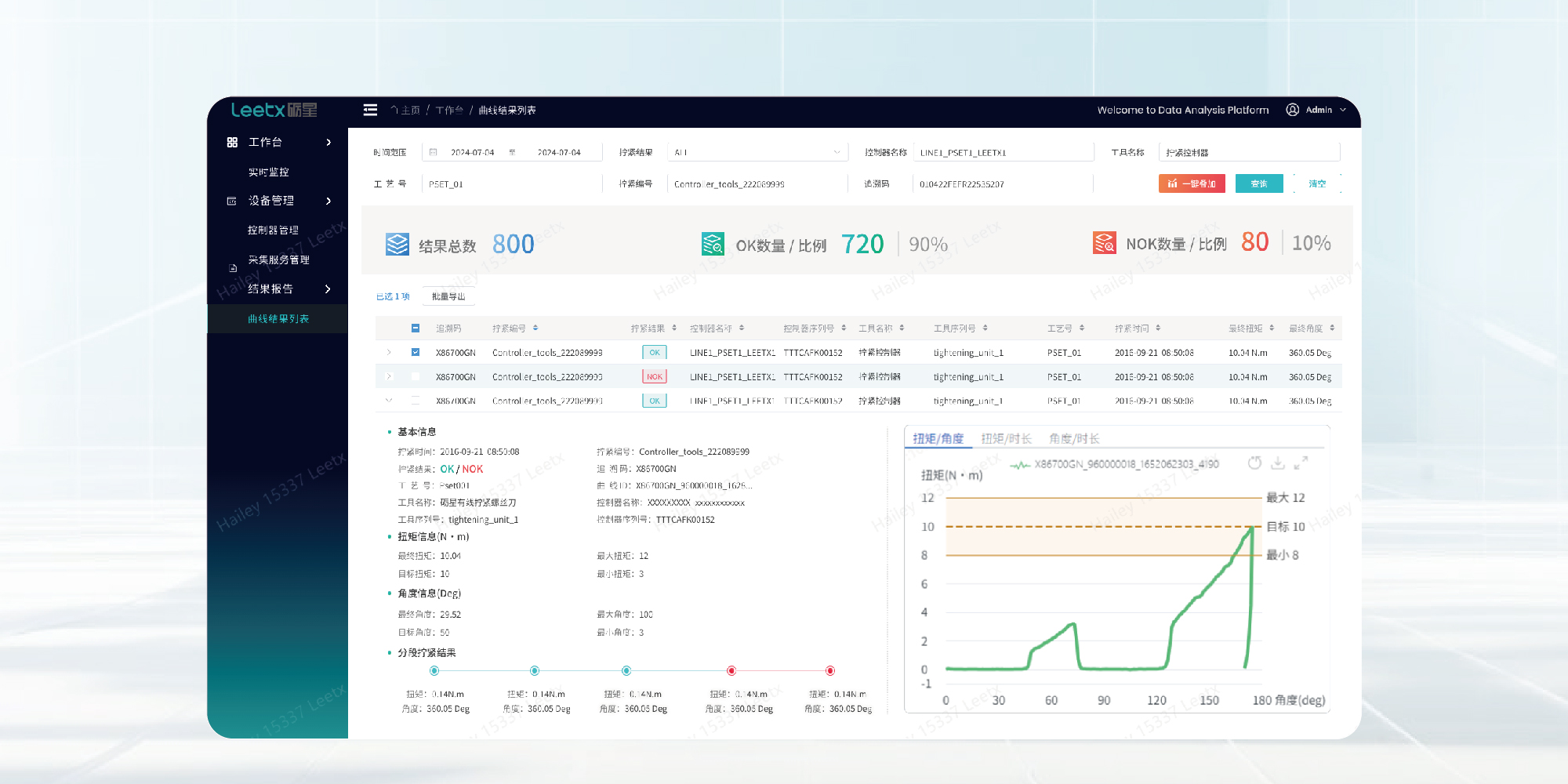
Every Leetx and Centron system generates a comprehensive process record for every operation—capturing torque-angle curves, force-displacement signatures, measured bead dimensions (width and height) for dispensing applications, and real-time process window alarms. Beyond quality control, this data architecture fulfills a critical but rarely discussed environmental function: without process-level traceability, any claim of sustainable manufacturing lacks credibility.
The EU Battery Regulation mandates supply chain transparency and full lifecycle accountability for battery materials. The Corporate Sustainability Reporting Directive (CSRD) is evolving toward granular, process-level data requirements, and ESG audits increasingly demand hard evidence rather than assertions. In this environment, manufacturers who can digitally prove the conformance of every critical assembly operation are the ones genuinely advancing the sustainability narrative.
A factory equipped with full traceability can state with verifiable certainty: every high-voltage connection point maintains torque deviation within ±2%; every motor bearing press-fit falls within a validated process window. These are no longer just quality records—they are environmental evidence.
Traceability is the essential infrastructure that transforms sustainability claims into verifiable sustainability facts.
Conclusion: Earth Day is a Manufacturing Problem
Earth Day 2026 doesn't just belong to energy executives and climate policymakers. It belongs to every process decision on the shop floor—which tightening system is worth specifying, which dispensing valve deserves your trust, and which process data needs to be captured and retained across the full product lifecycle.
Manufacturing sustainability is not an independent department, and it is not a chapter in an annual report. It is built into every process window parameter, every FPY figure, and every zero-defect batch delivered to a customer.
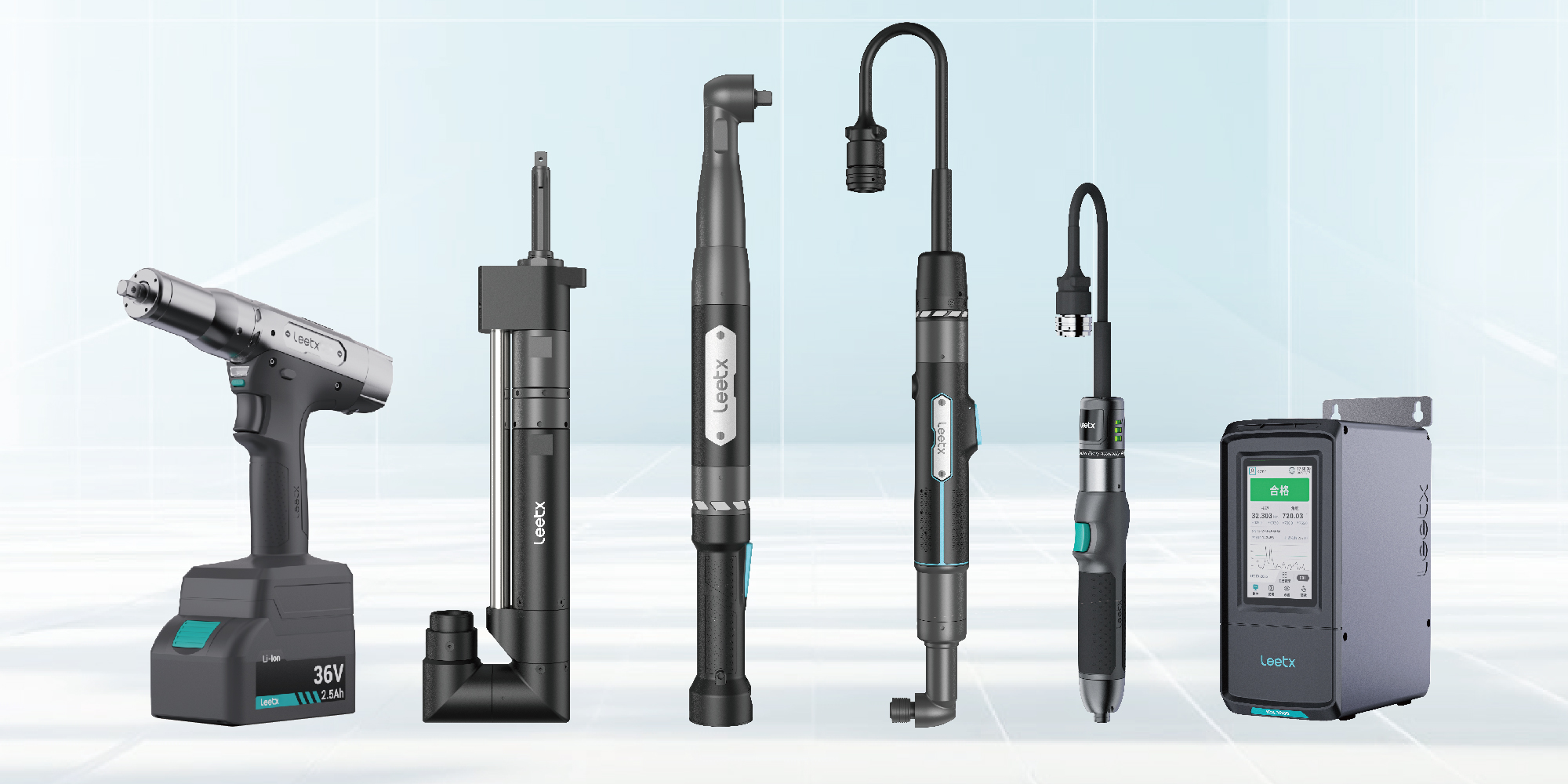
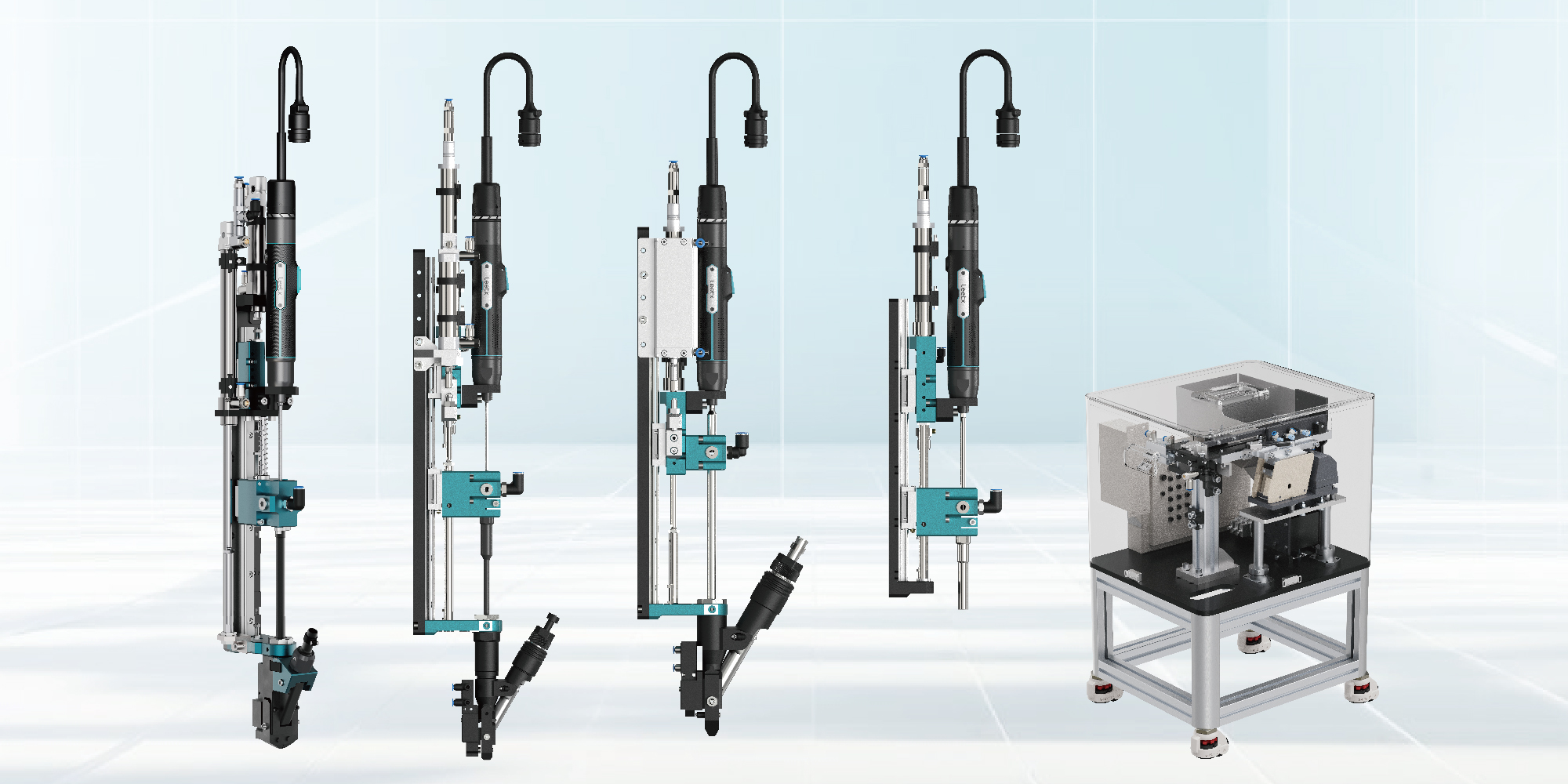
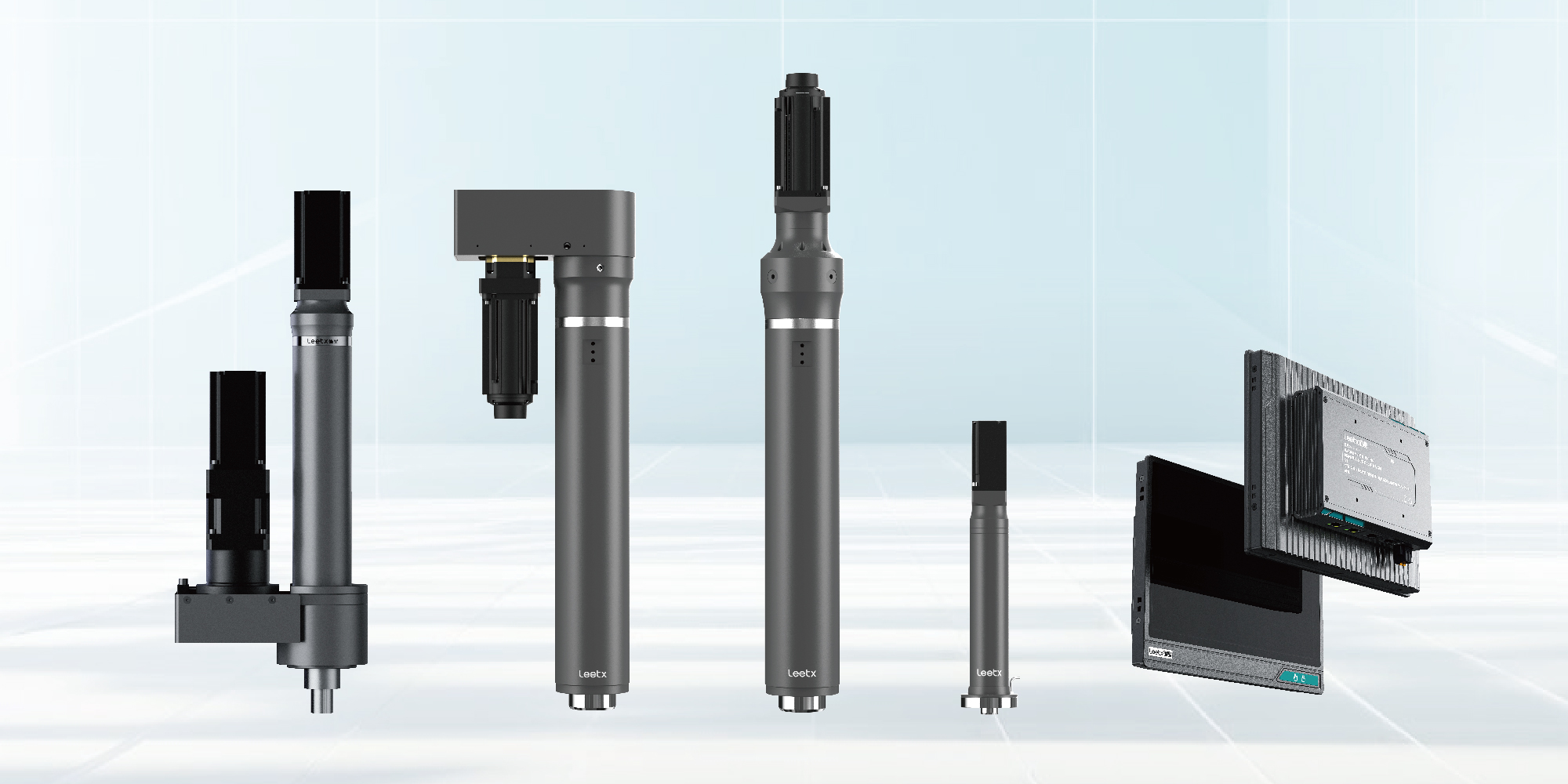
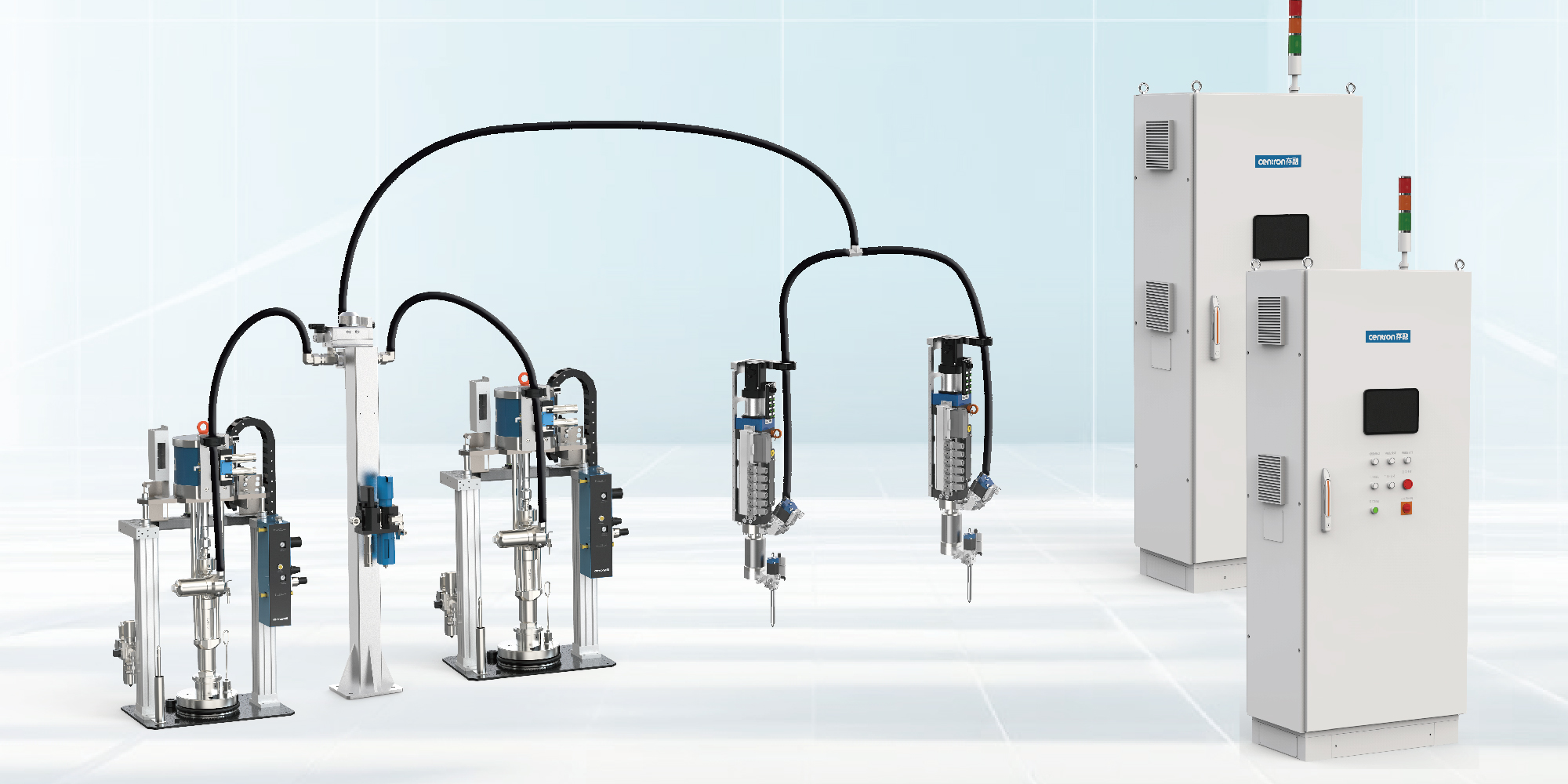
Leetx and Centron's intelligent assembly products—servo presses, transducerized tightening systems, automatic screw feeding systems, and precision dispensing systems—exist at precisely this intersection: not only because we help manufacturers make better products, but because we help manufacturers make products that are worthy of the embedded carbon carried by every component they touch.
This Earth Day, we leave you with a question that rarely appears in sustainability reports:
Is your assembly process precise enough to be worthy of the materials it touches?
If the answer isn't yet certain—that is exactly where the conversation begins.
www.leetx.com/en | www.centronsys.com/en
info@leetx.com | info@centronsys.com
References & Data Sources
[1] Eurostat: Labour Force Survey (LFS) — Employment by sex, age and economic activity (NACE Rev. 2), Manufacturing sector (Section C).ec.europa.eu/eurostat/web/lfs
[2] Eurostat: Job Vacancy Statistics (JVS) — Quarterly job vacancy rates by NACE Rev. 2 activity, dataset jvs_q_nace2, Manufacturing sector 2022–2023. ec.europa.eu/eurostat/web/short-term-business-statistics/job-vacancies
[3] Eurofound (European Foundation for the Improvement of Living and Working Conditions): Working conditions and sustainable work — Manufacturing sector skills shortage and workforce ageing analysis. eurofound.europa.eu
[4] U.S. Bureau of Labor Statistics (BLS): Occupational Outlook Handbook — Production Occupations, 2024–2034 Projections. bls.gov/ooh/production
[5] European Commission: Circular Economy Action Plan (CEAP) — A cornerstone of the European Green Deal, targeting a doubling of the EU's circularity rate to 24% by 2030. environment.ec.europa.eu/strategy/circular-economy_en
[6] European Commission: Directive on common rules promoting the repair of goods ((EU) 2024/1799) — Adopted 13 June 2024, entered into force 30 July 2024; Member States required to apply from 31 July 2026. commission.europa.eu/law/law-topic/consumer-protection-law/directive-repair-goods_en