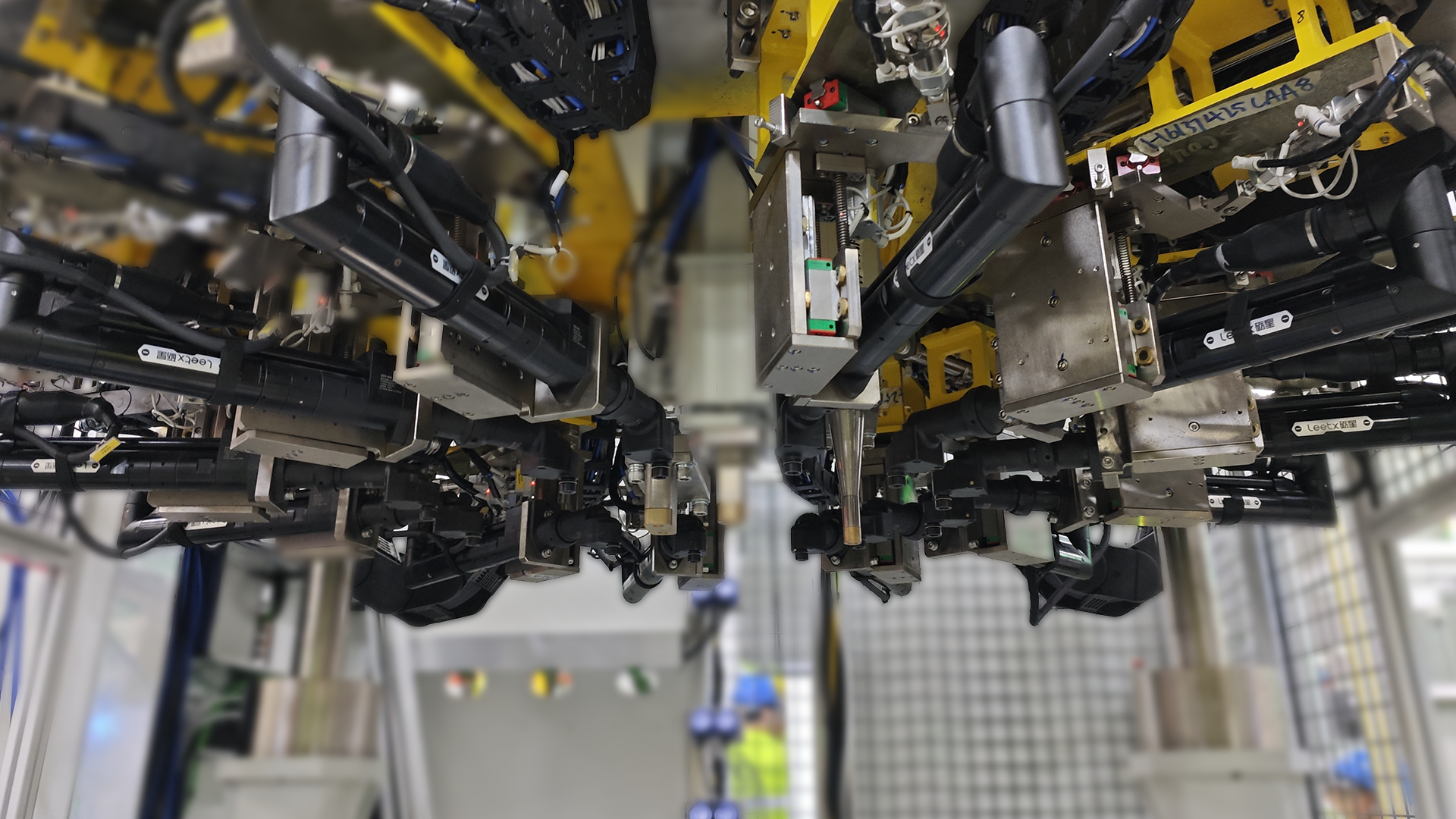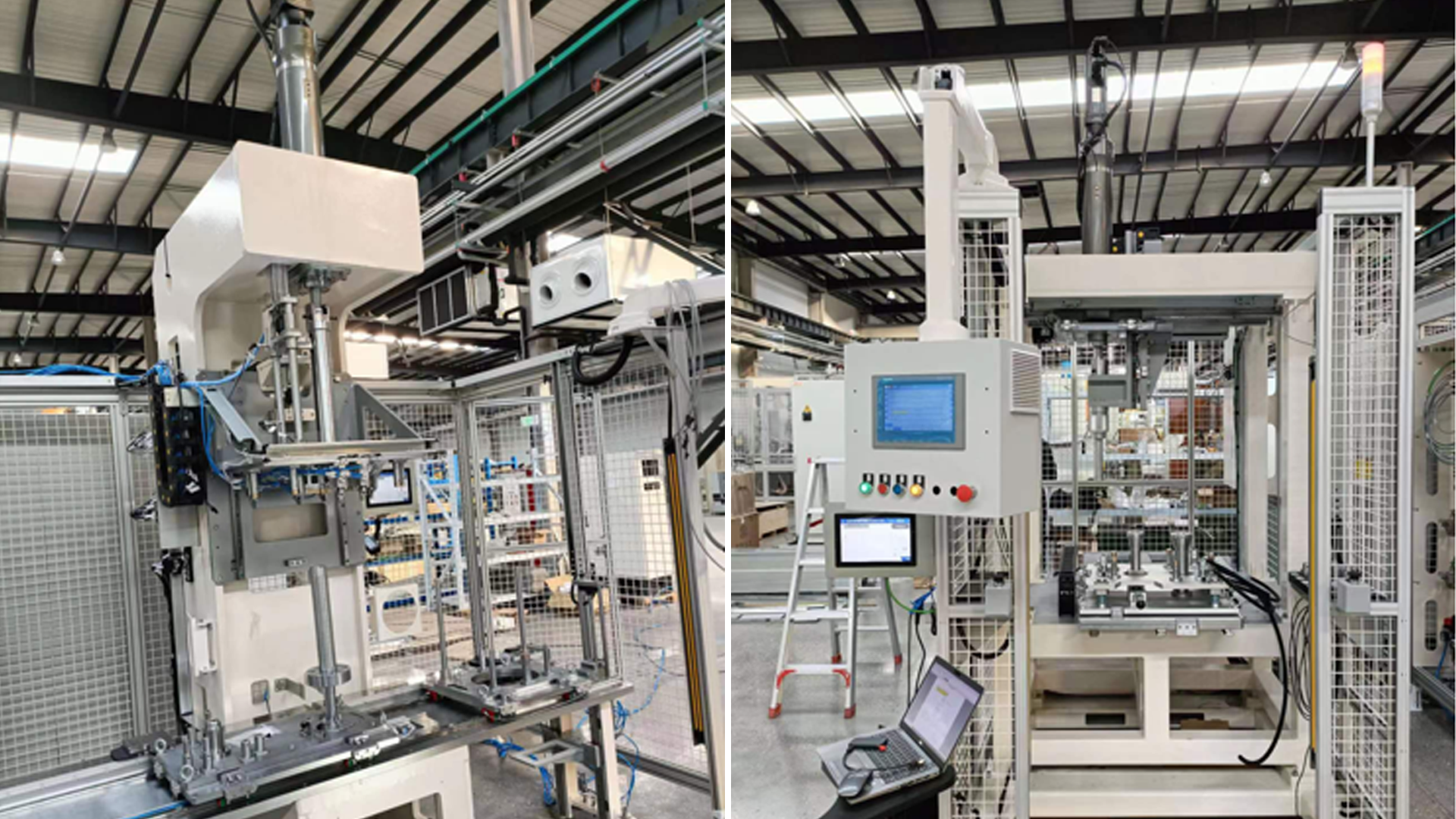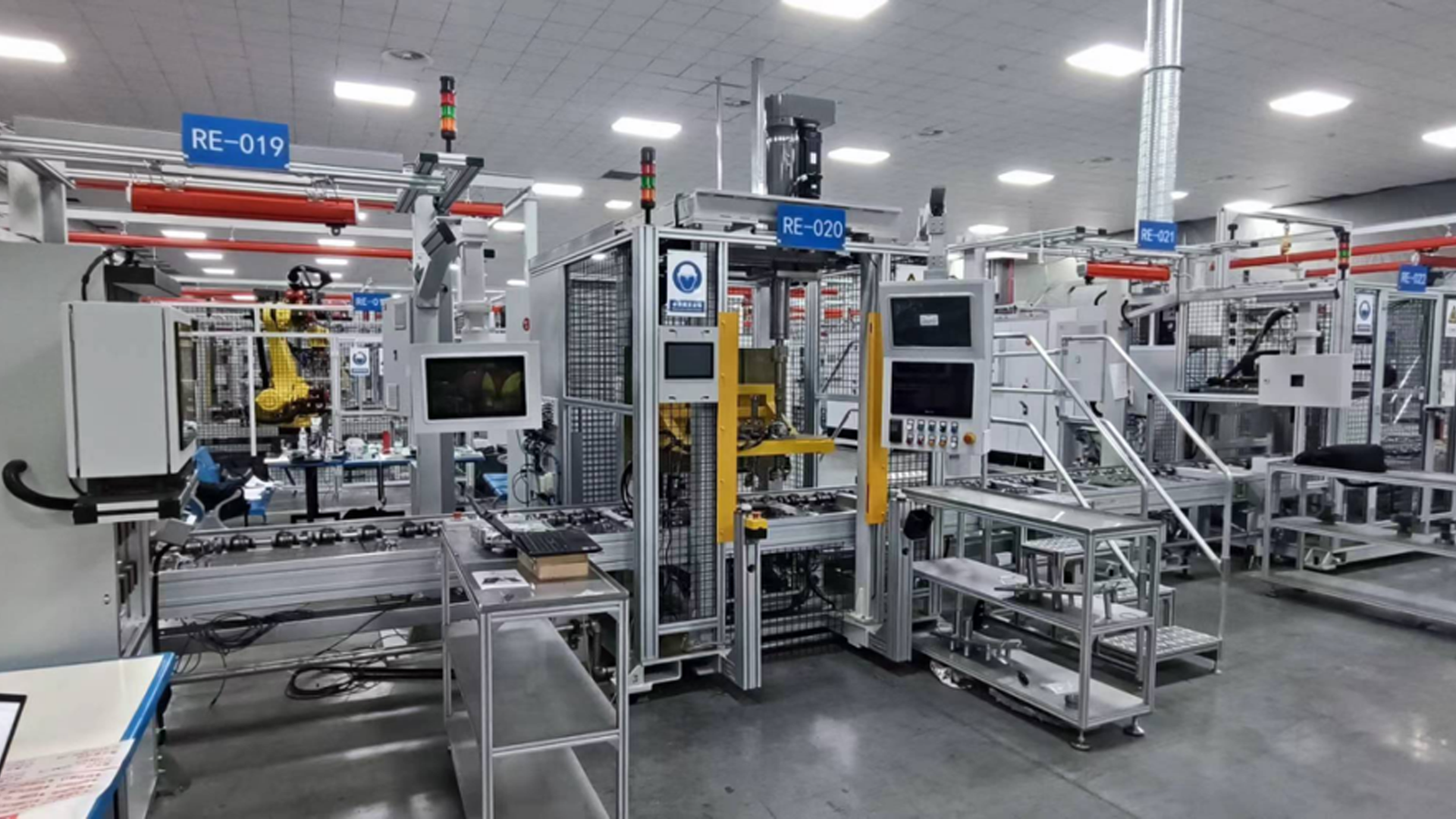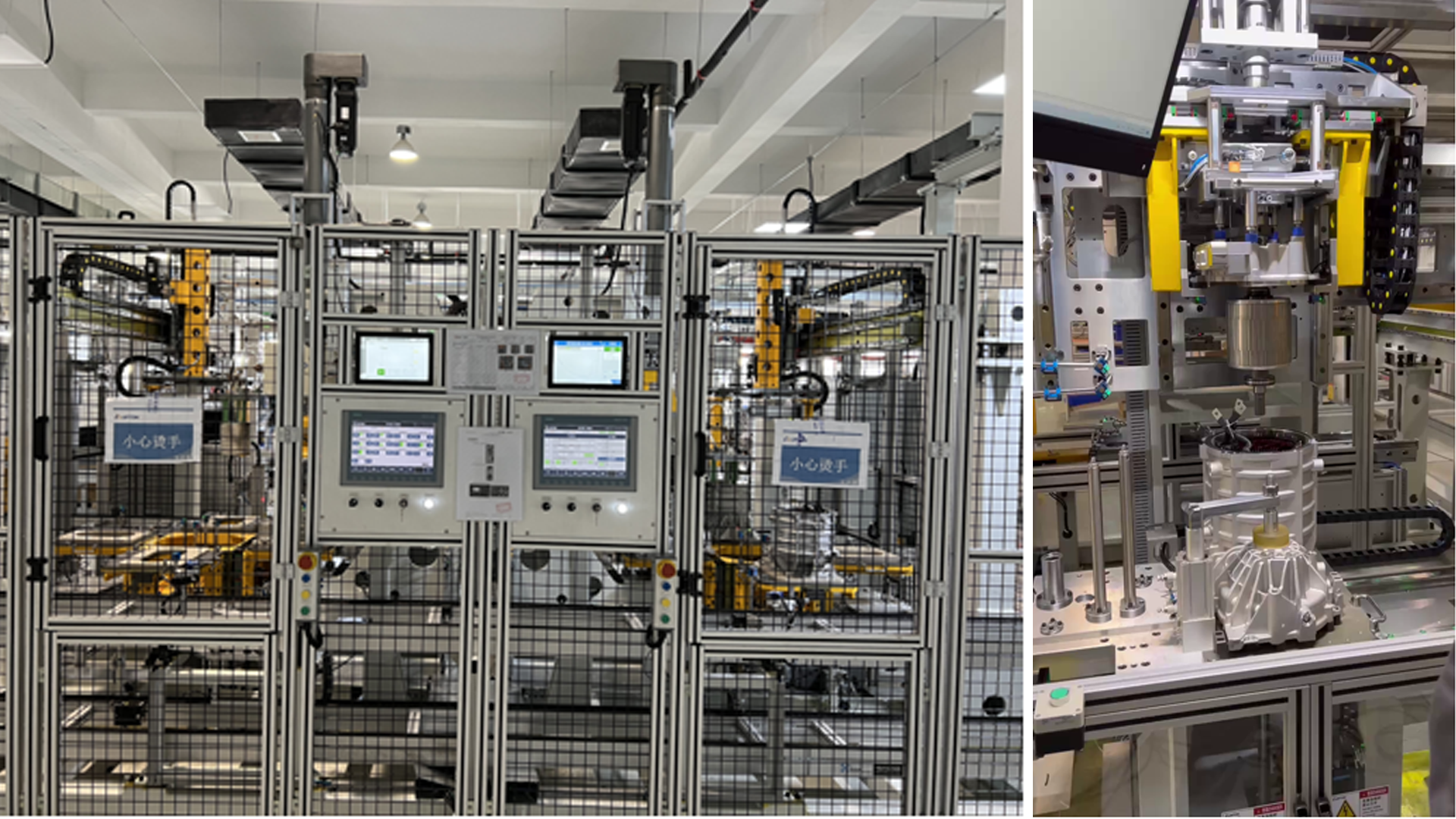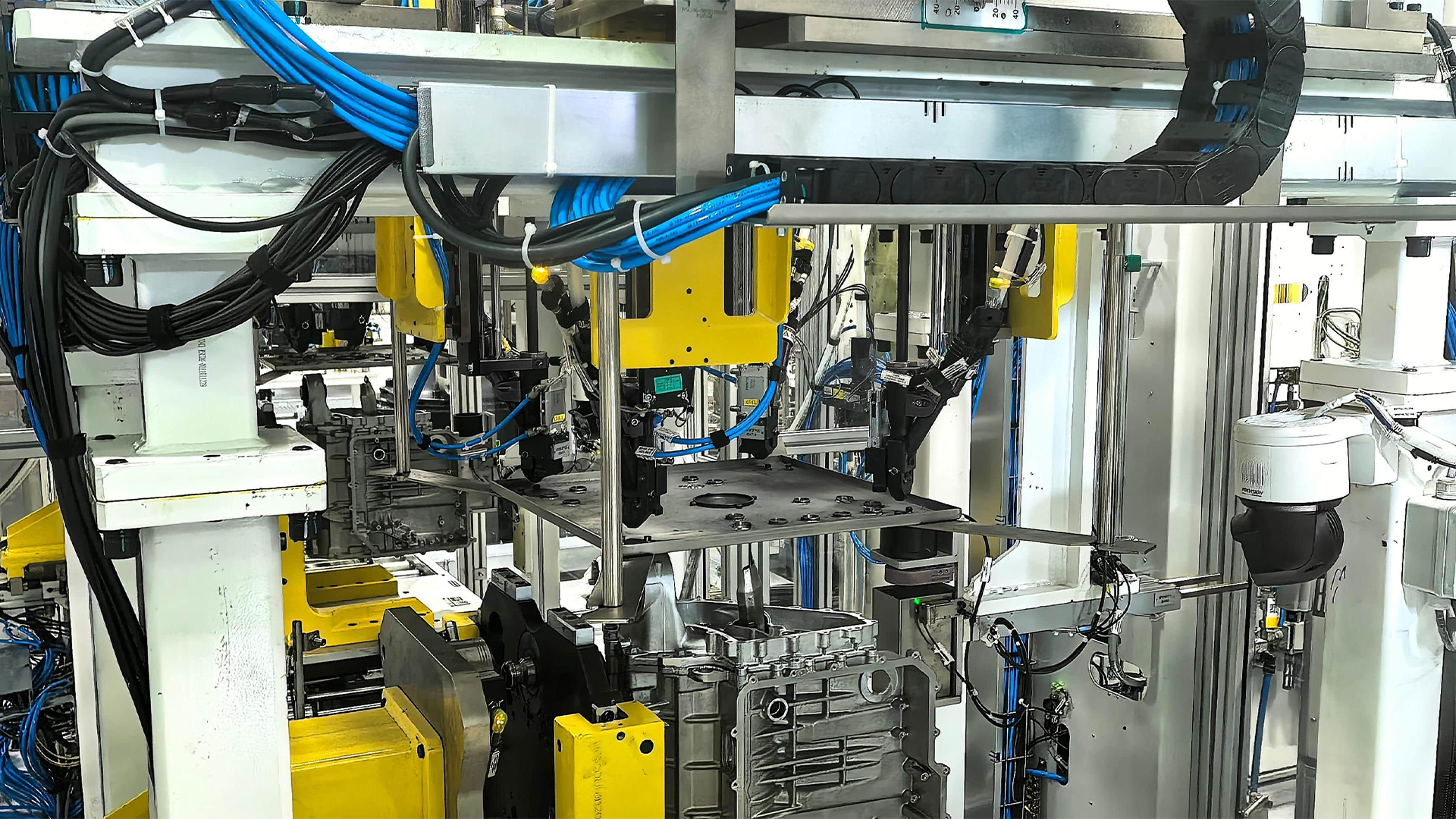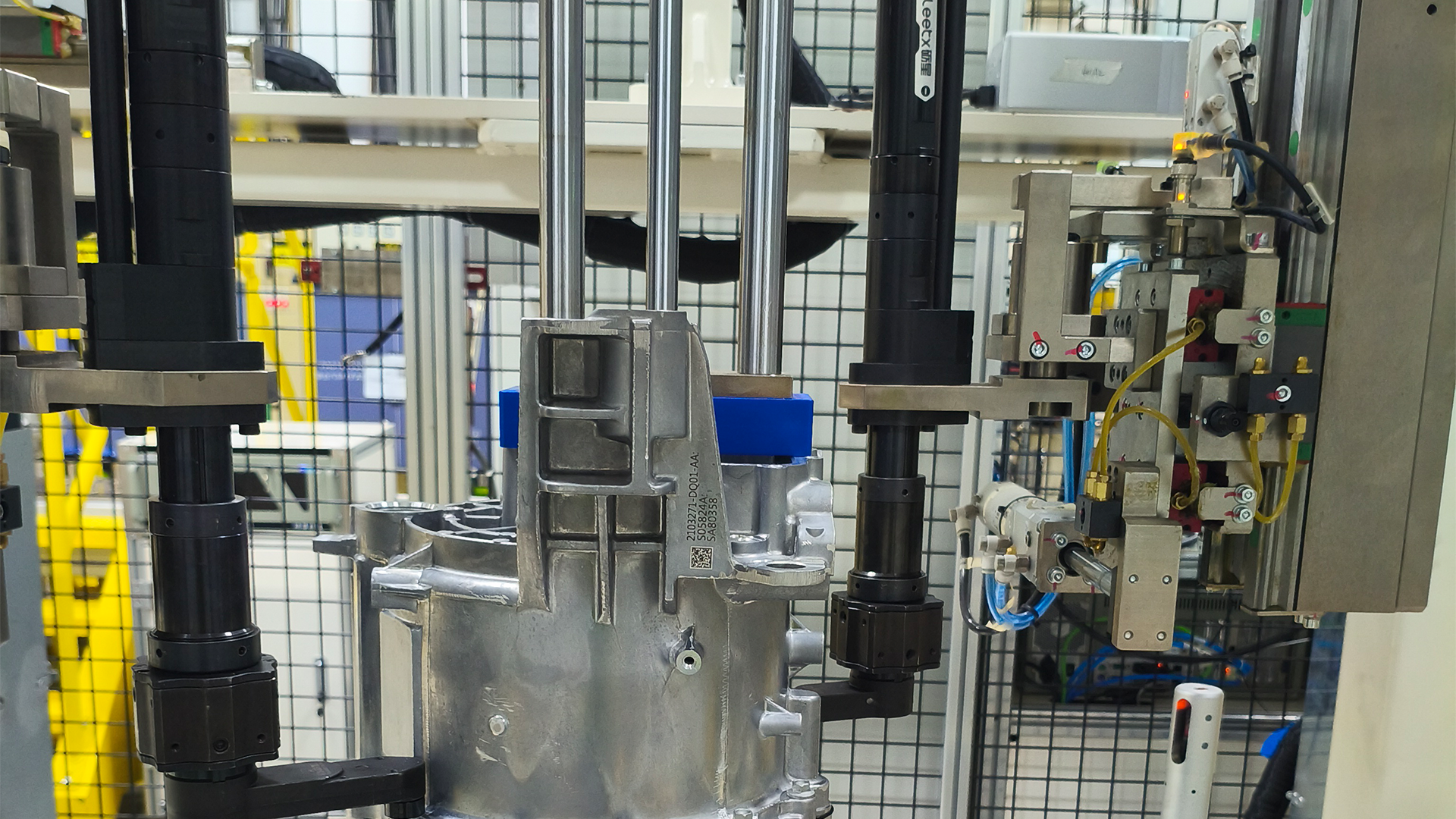
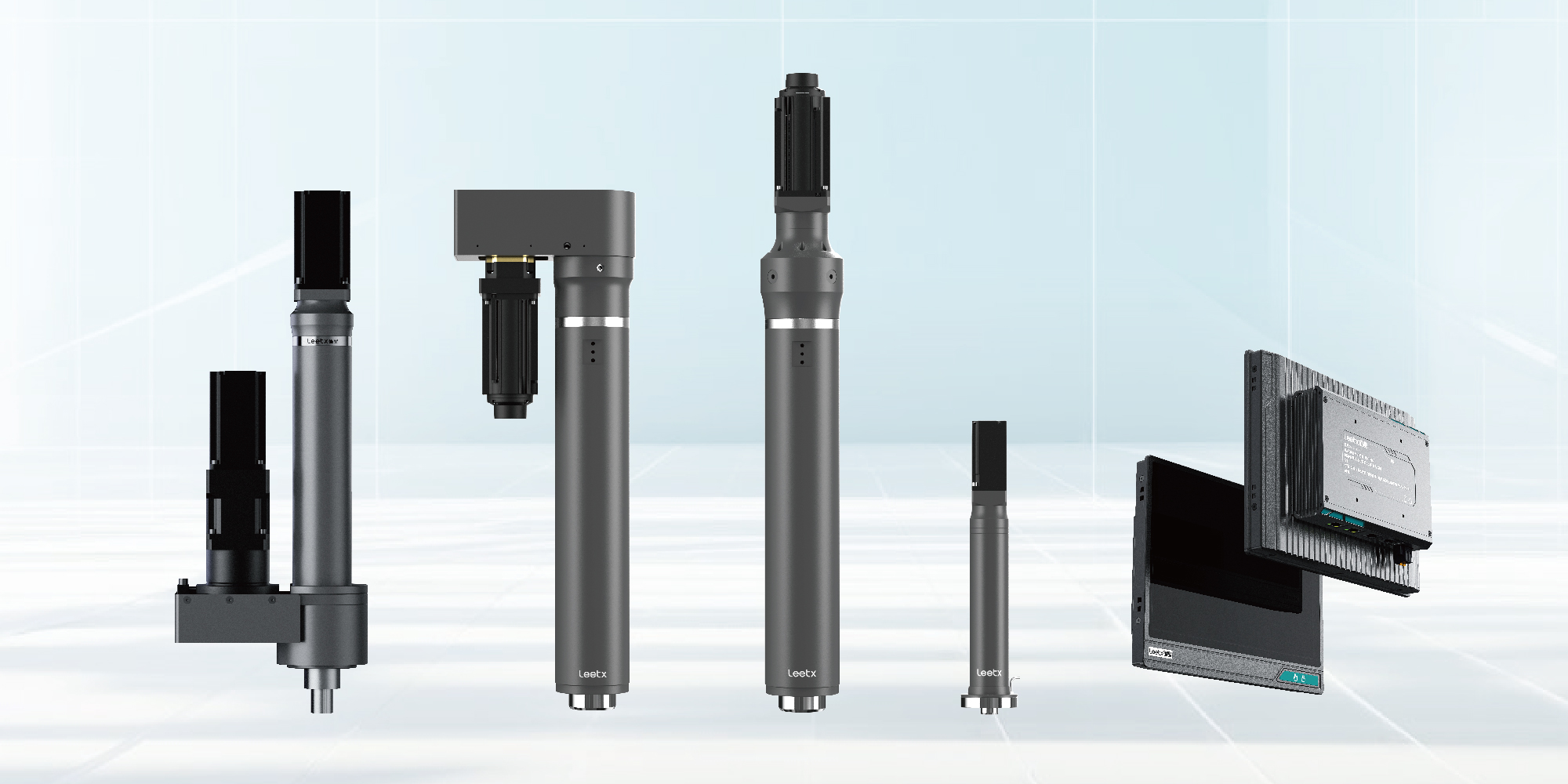















The 8-in-1 e-drive system highly integrates core components such as the electric motor, power electronics and reduction gearbox, placing extremely high demands on assembly process consistency. The Leetx Servo Press System is used for bearing press-in and oil-seal press-in operations.
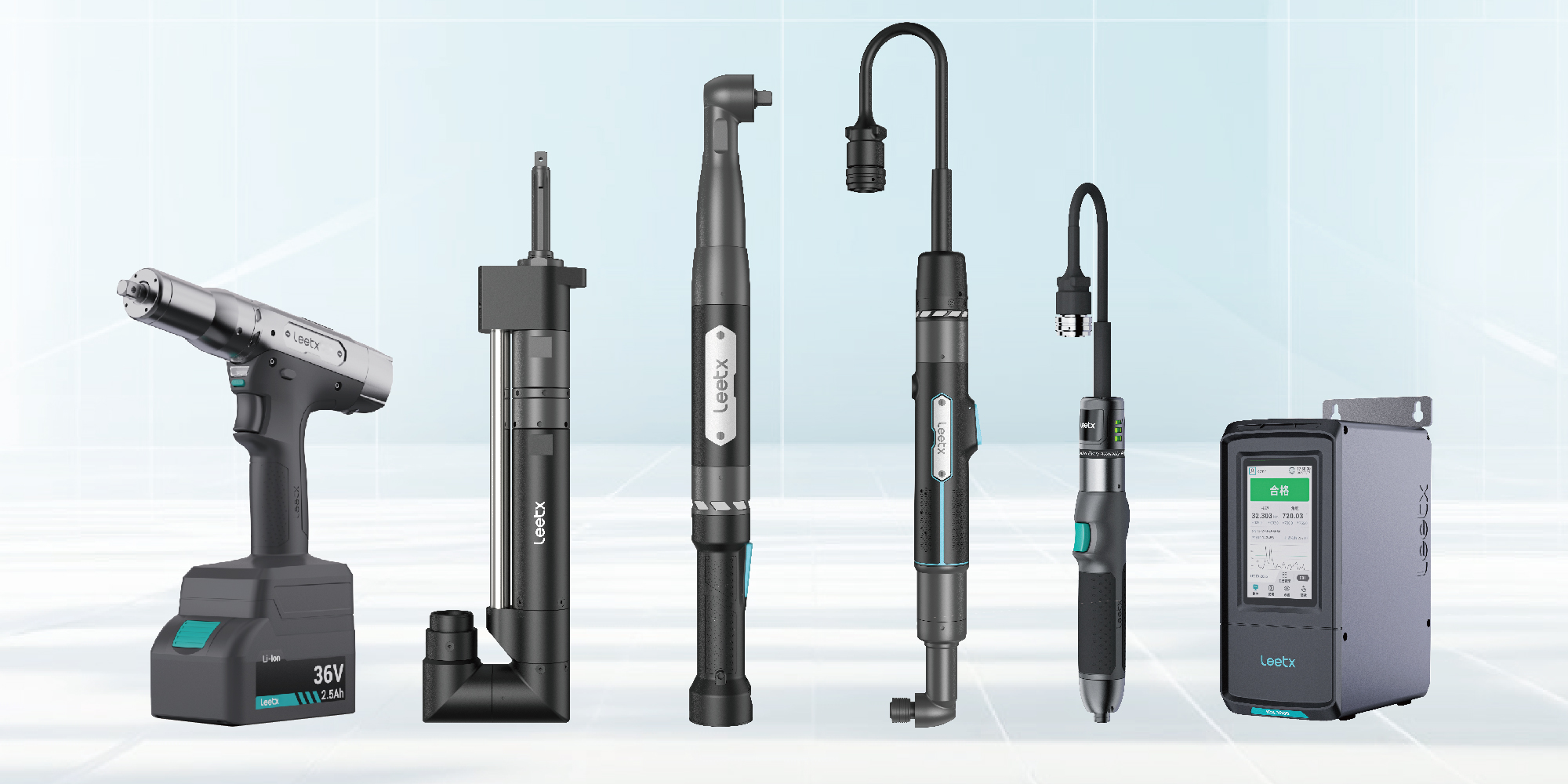
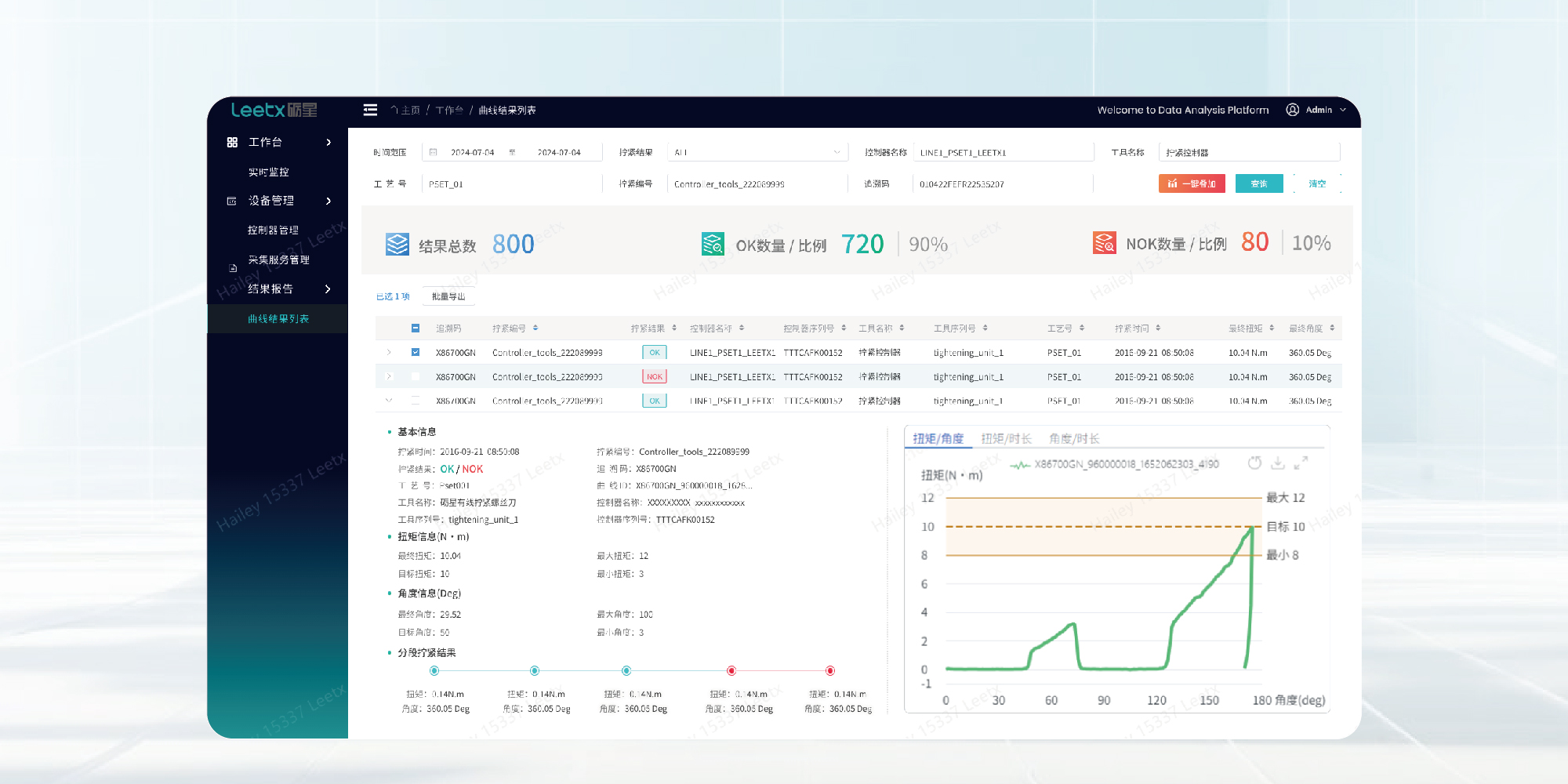
Housing joining for motor, reducer, and controller assemblies depends on bolt quality for sealing, bearing preload, and operating reliability. Leetx applies dual-bolt synchronous tightening with torque-angle monitoring to control seating, balance housing load, and upload traceable process data.
The sealant layer between cover and housing requires uniform clamp load from the bolts. Leetx intelligent tightening and automatic screw-feeding systems support sequenced bolt feeding and path-based tightening with torque-angle monitoring for uniform perimeter loading, reliable sealing, and traceable assembly data.
Hybrid Dedicated Hybrid Transmission (DHT) units are highly integrated, and gear-to-shaft insertion, bearing press-fitting and retainer press-fitting are highly sensitive to positioning accuracy and the force curve. Deviations in interference can easily cause shaft-train binding or bearing damage.
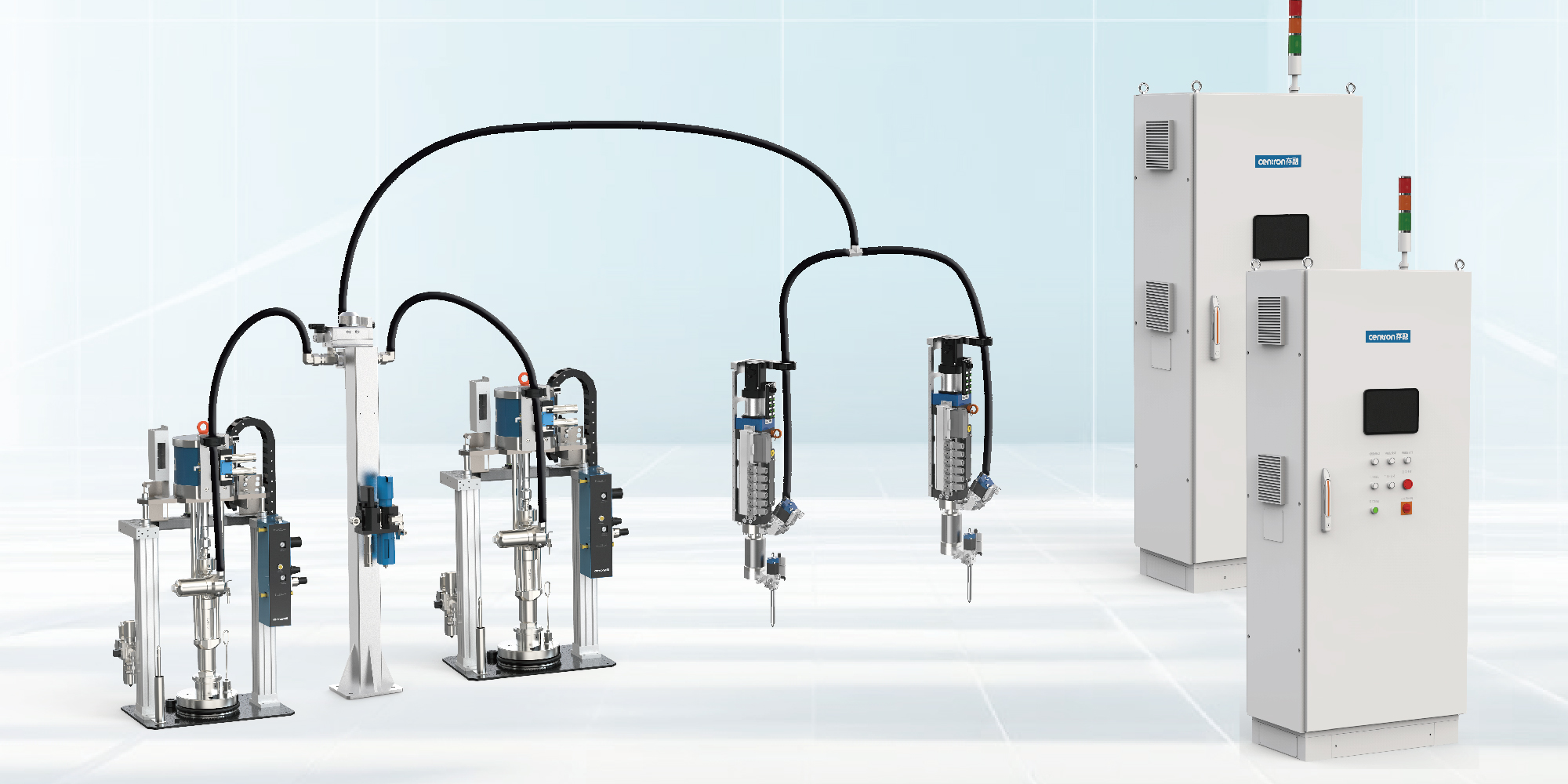
Stator/rotor assembly and stator shrink-fit insertion into the housing are core processes for e-drive assemblies. The instant magnetic attraction creates significant impact, requiring extremely high centering accuracy; shrink-fit insertion must be completed quickly and precisely within the thermal differential window, otherwise uneven air gaps or core damage may occur.
EDS cover-to-housing assembly involves many bolts across different planes and requires diagonal, synchronized torque application to avoid local stress, housing distortion, and oil leakage. Leetx multi-spindle tightening enables one-shot synchronous tightening with torque-angle monitoring for uniform clamp load, high takt efficiency, and traceability.
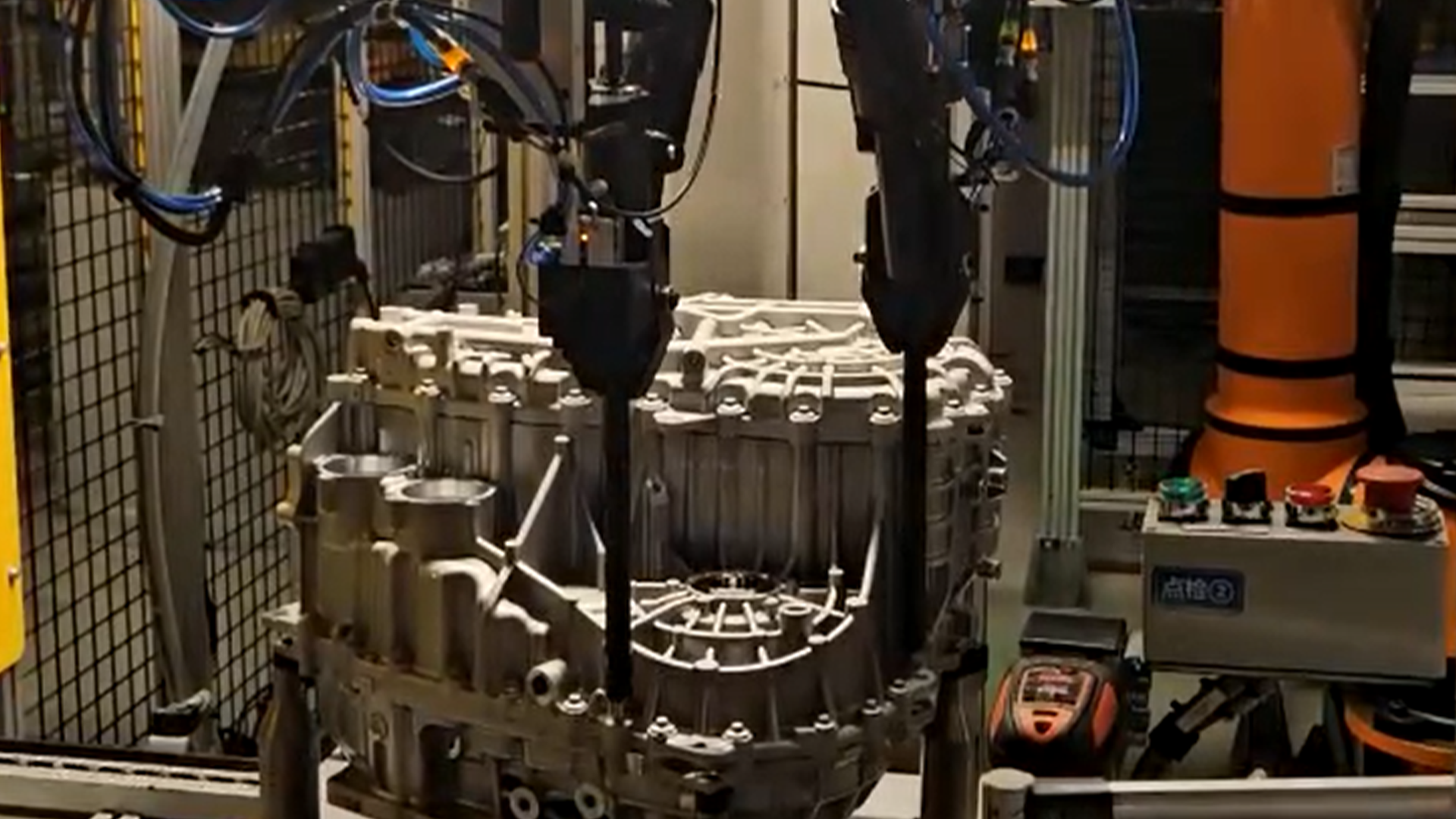
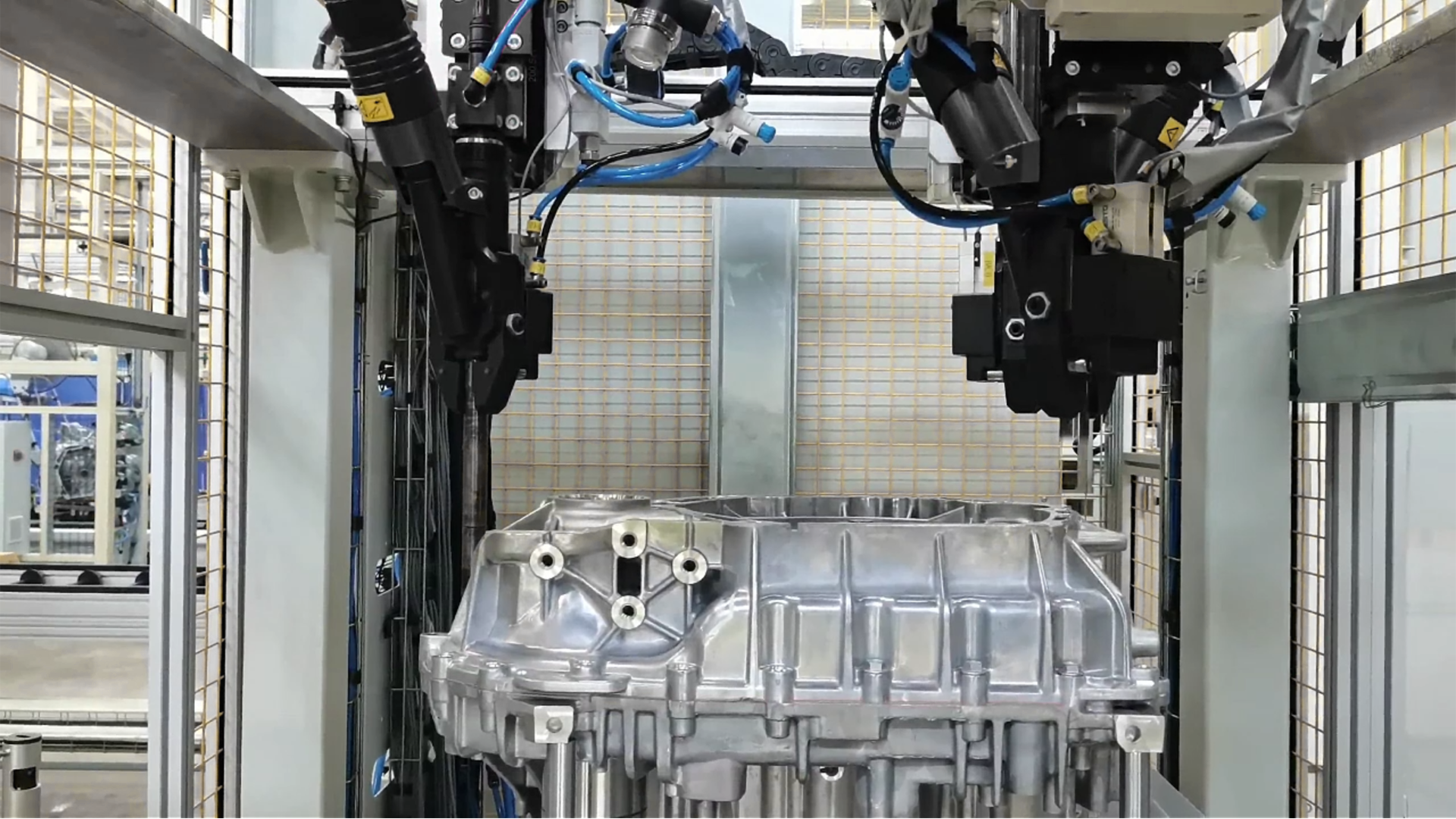
The mating of reducer housing and motor housing affects gear mesh, NVH, and air tightness. A multi-spindle synchronous tightening machine with precision locating fixtures performs high-precision diagonal synchronous fastening with stable cycle time and full data traceability.
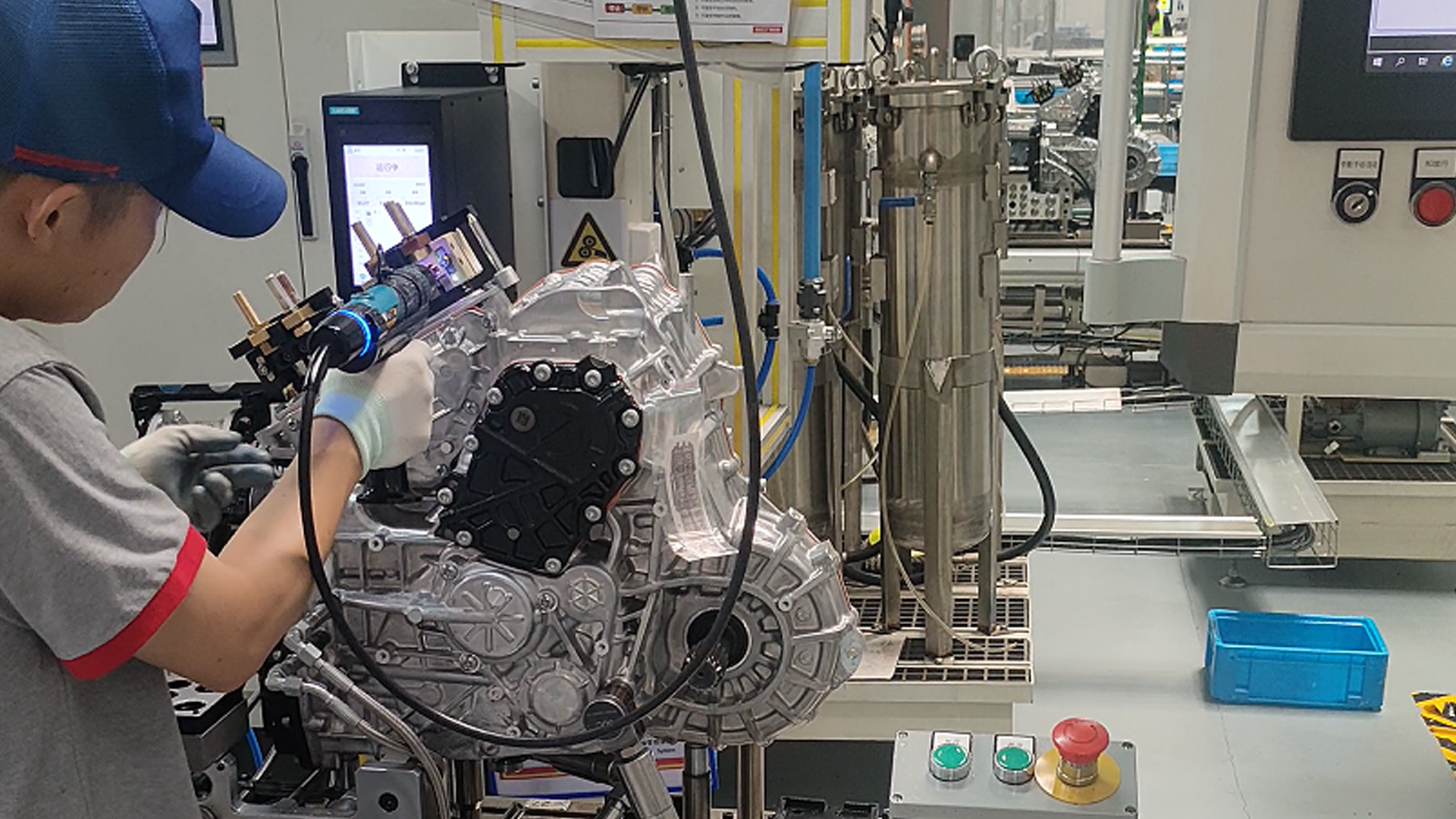
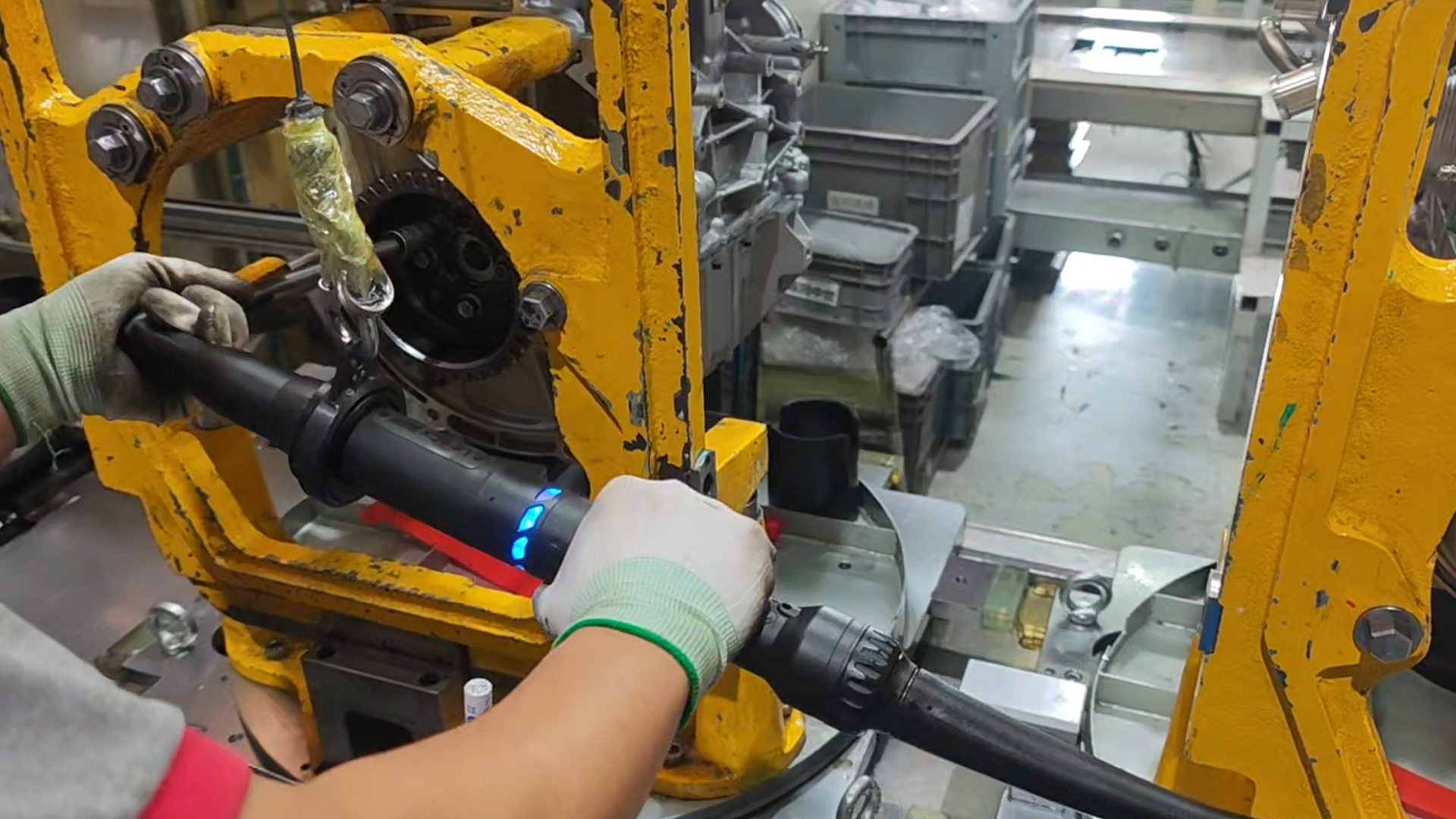
Grounding bolts provide equipotential bonding and high-voltage safety return paths. Because torque and contact resistance directly affect EMC and high-voltage protection, a handheld smart tightening gun with scan binding and torque-angle control creates one code and one record for every bolt.
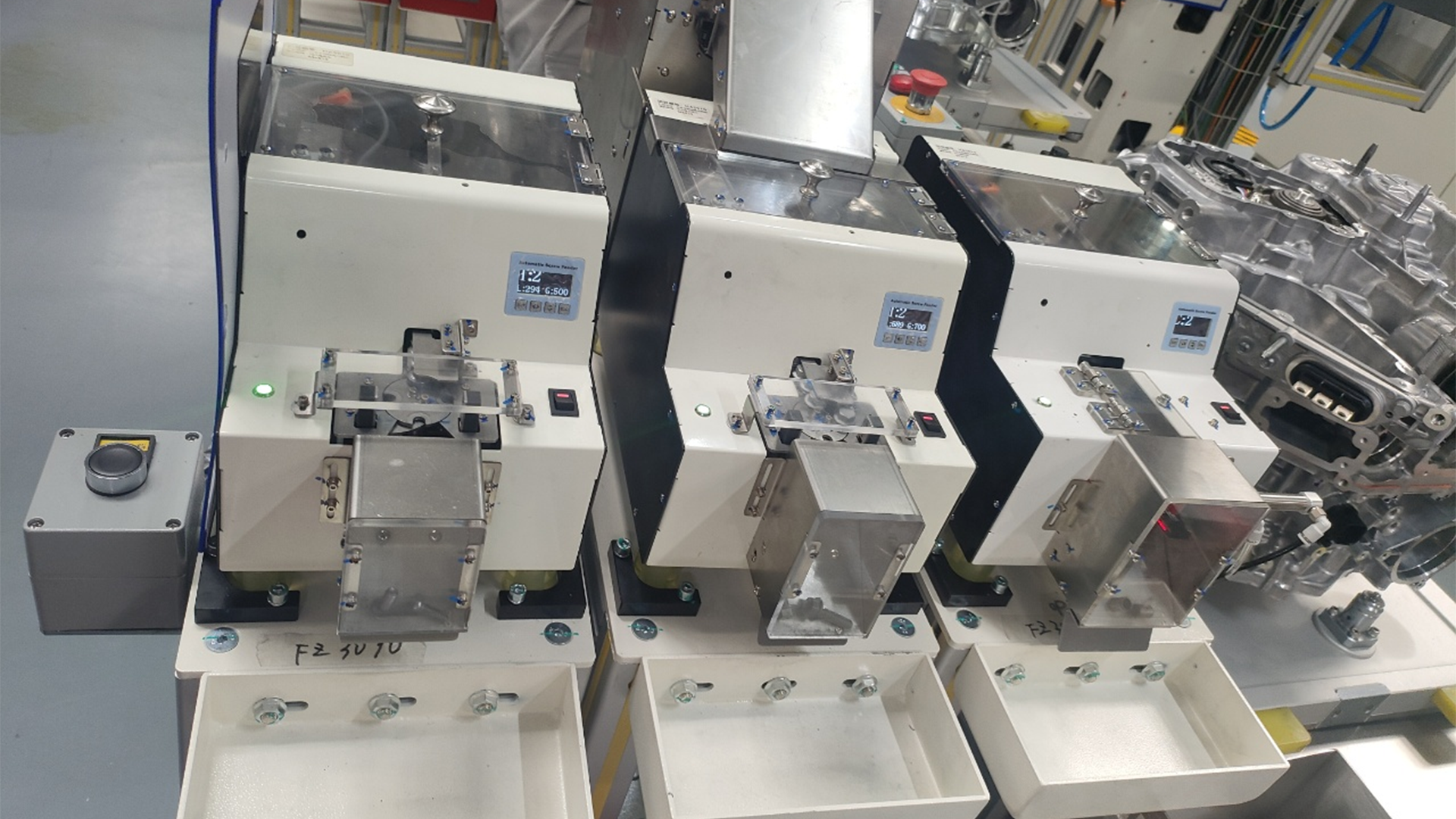
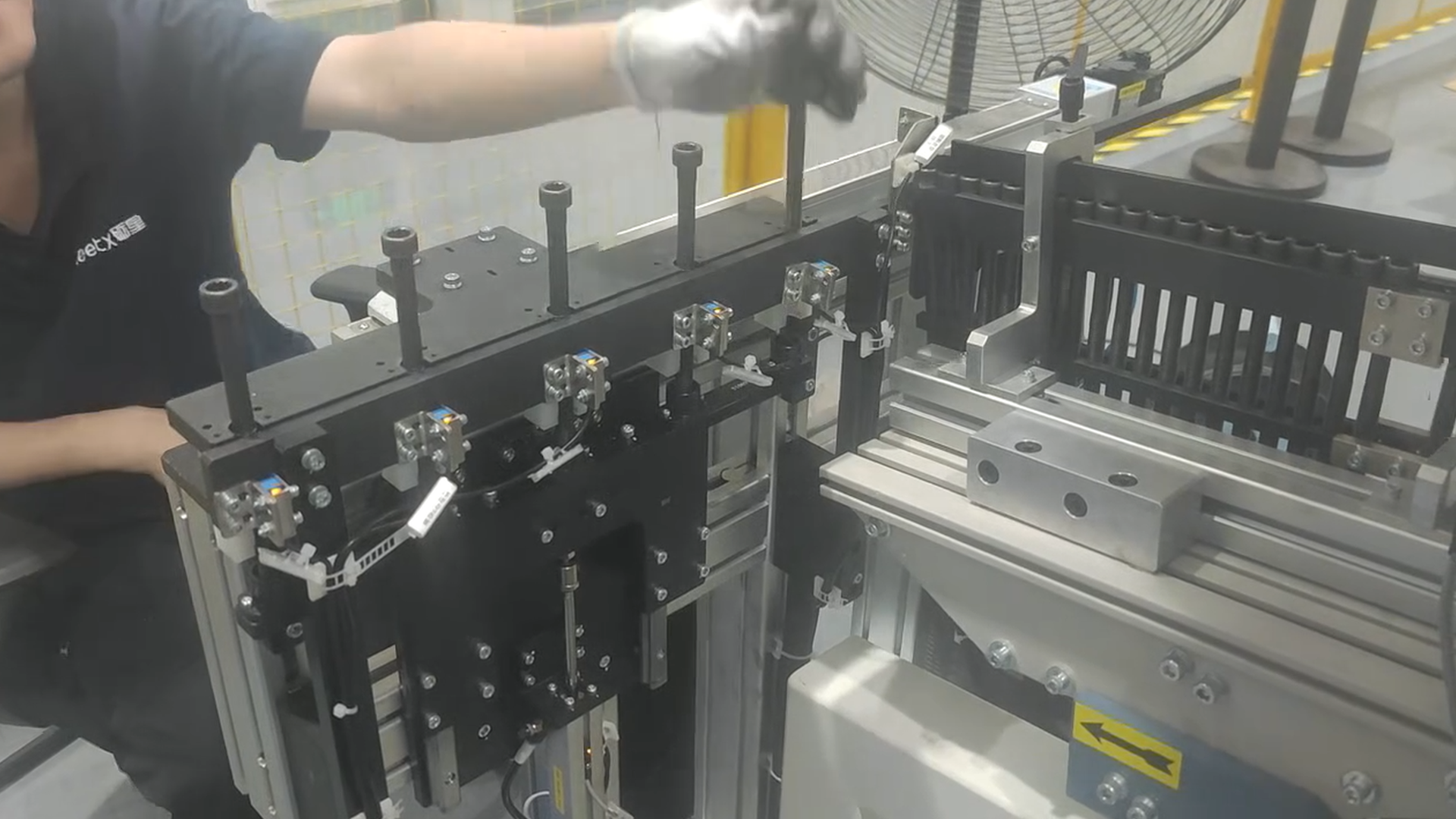
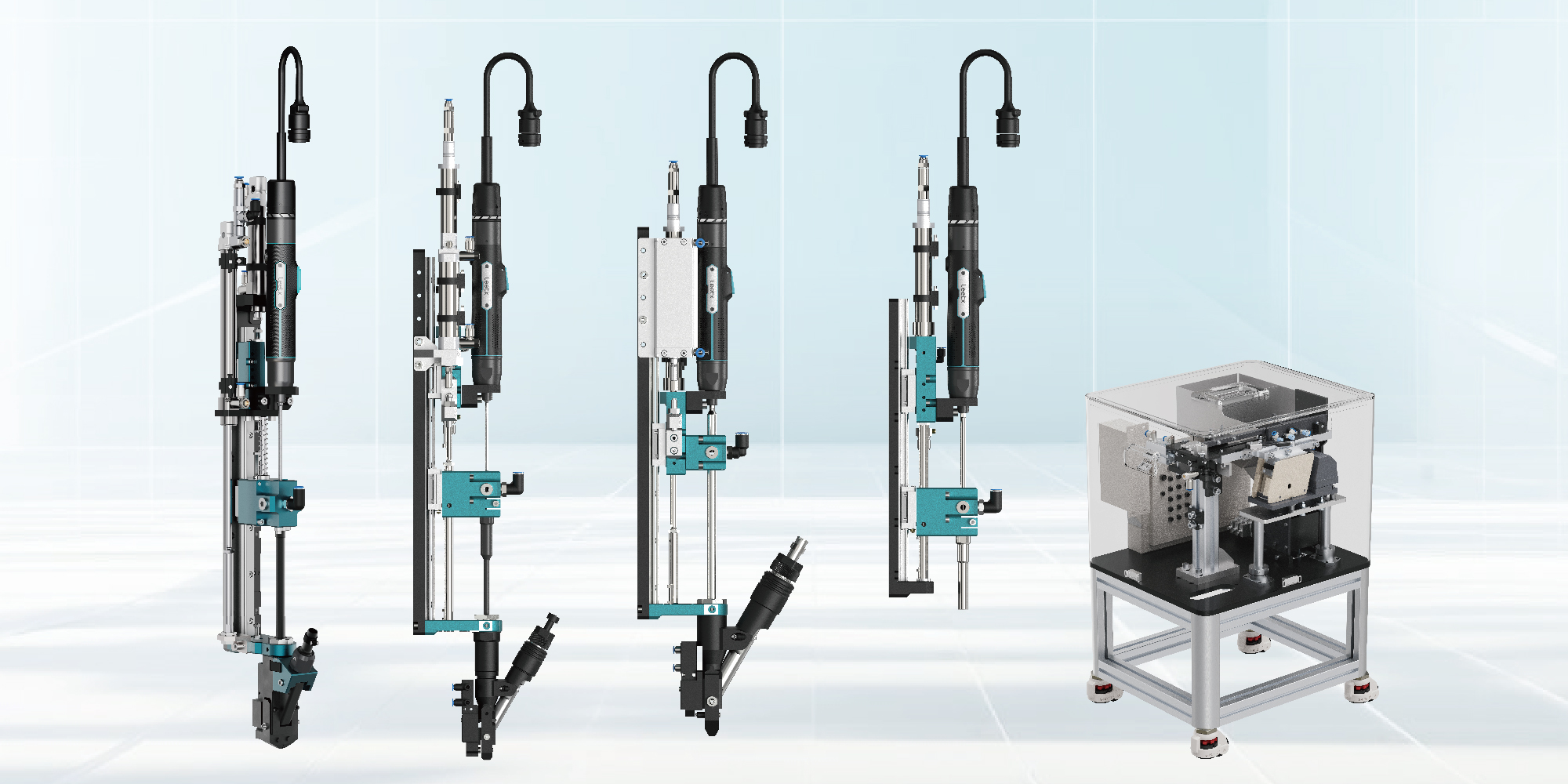
E-drive assembly uses multiple bolt specifications, making manual picking slow and error-prone. Automatic sorting by specification, vibration-bowl and track feeding, and demand-based dispensing reduce mix-ups and omissions while supporting downstream intelligent tightening.
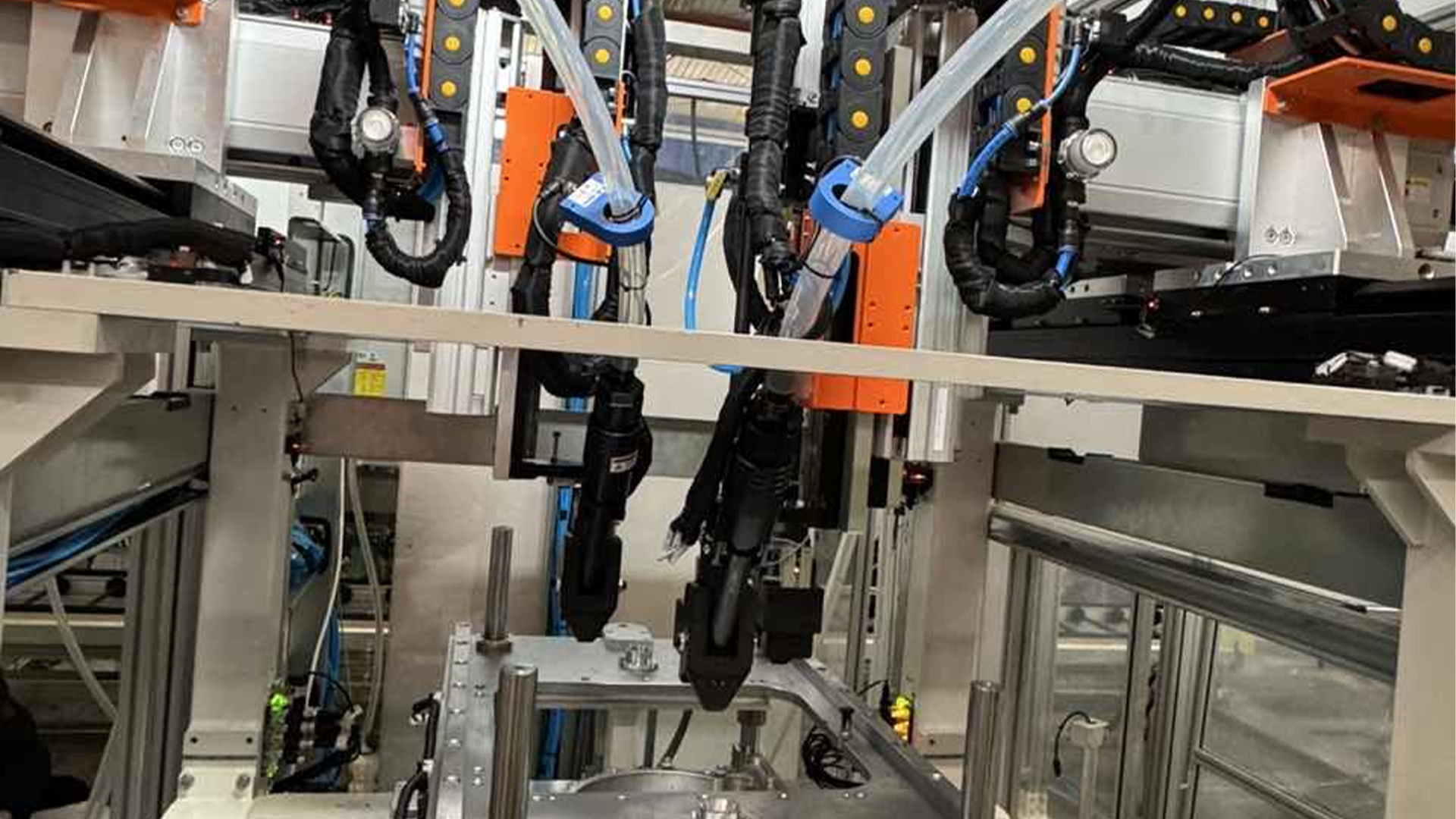
For symmetrical, high-cycle, multi-bolt joints, a gantry-style multi-spindle tightening system integrates screw-feeding tubes and servo tightening. Screws are blow-fed directly to the heads, all spindles advance and tighten synchronously, and torque/angle is captured independently per spindle to maintain balanced clamp load and consistent sealing.
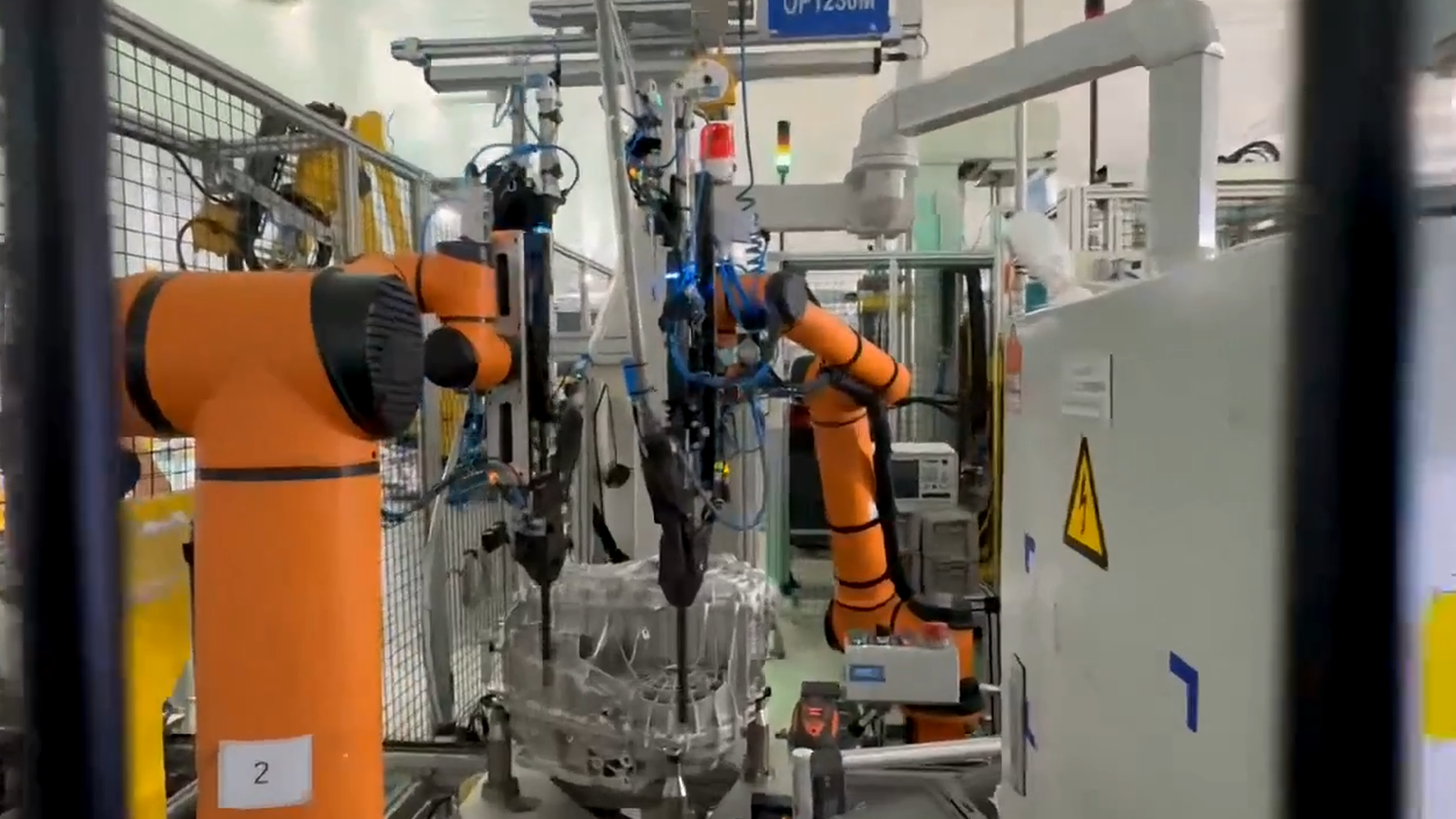
Joint bolts protect transmission case sealing and structural strength. A dual-robot process performs synchronized, multi-axis, torque-angle-controlled pre-tightening in the specified sequence to reduce housing distortion and leakage risk while collecting traceable tightening data.
Long screws are difficult for conventional bowl feeders because they tip, tangle, and lose orientation. A step-style feeder lifts and orients screws in layers, then delivers them in order to the tightening station with sensor-based orientation checks and error proofing.
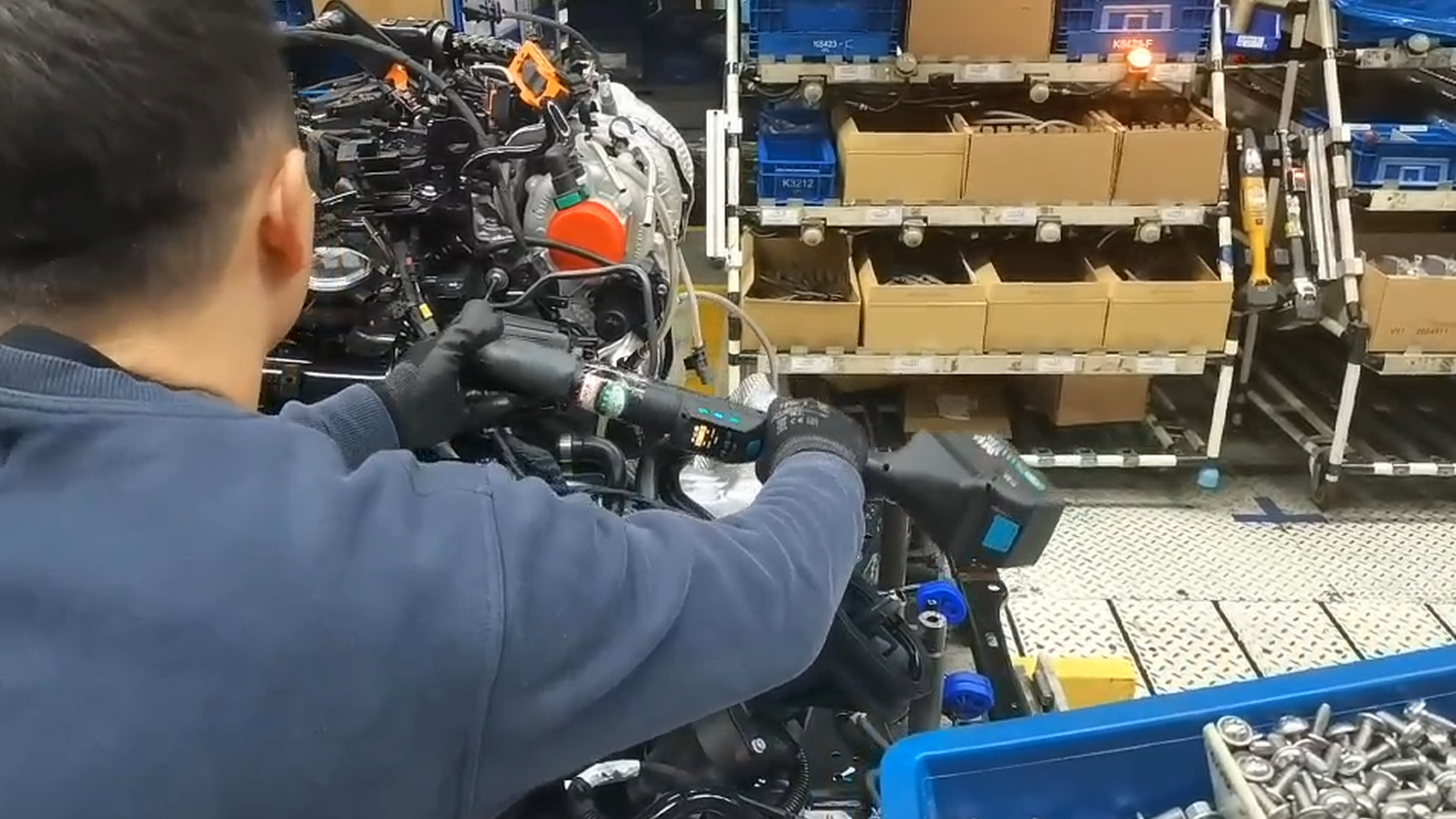
Engine assembly contains hundreds of critical bolted joints across the block, cylinder head, timing system, and accessories. Leetx intelligent tightening systems support torque-angle strategies, MES upload, process quality control, and product lifecycle traceability across main and subassembly lines.
Sensors such as crank position, knock, oil-pressure, and temperature sensors are critical inputs to ECU control. Handheld smart tightening with SPS material guidance and scan binding helps control small, dispersed bolts and makes each sensor fastener accurate and auditable.
Leave your contact information to get the relevant solution immediately