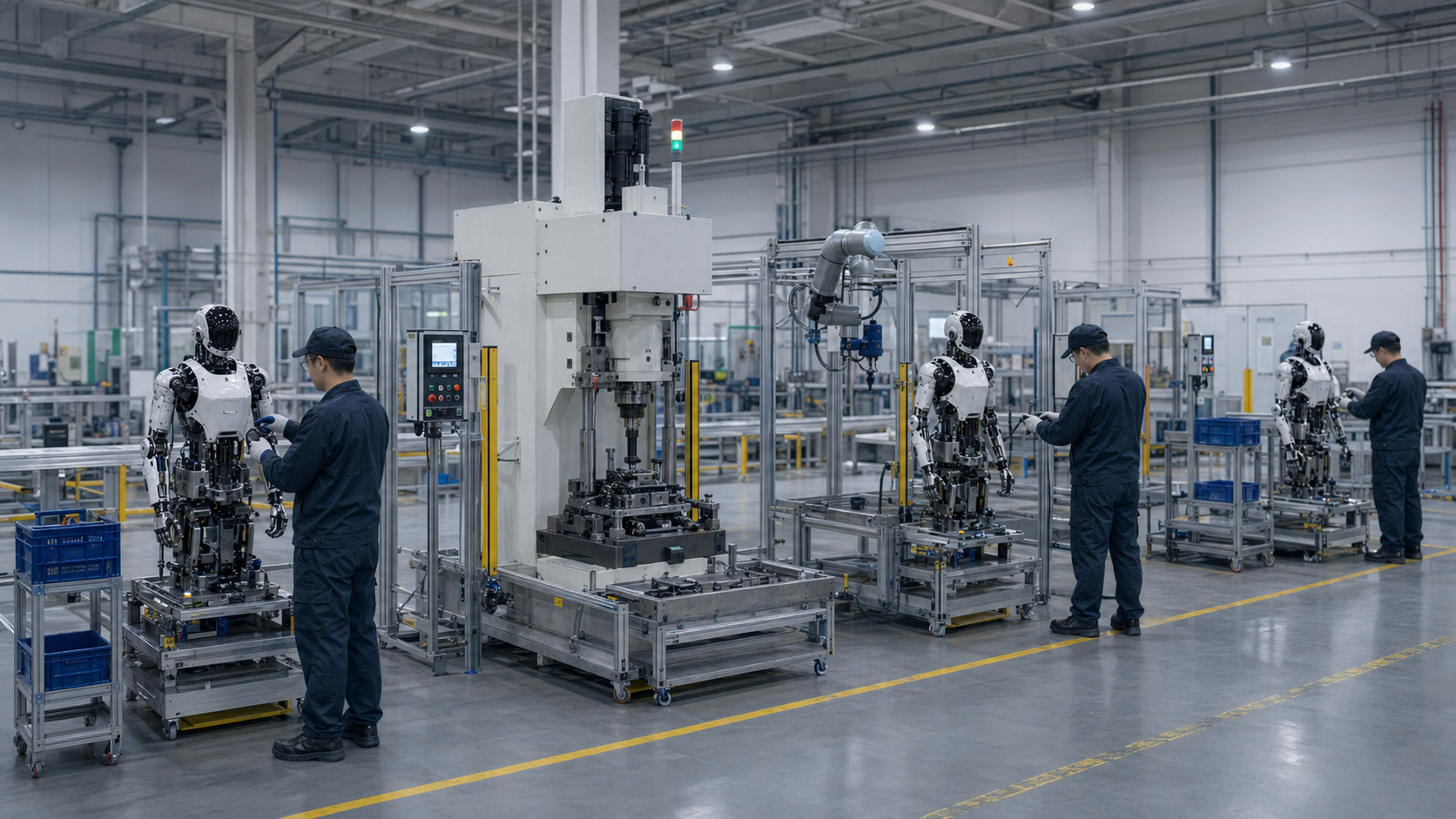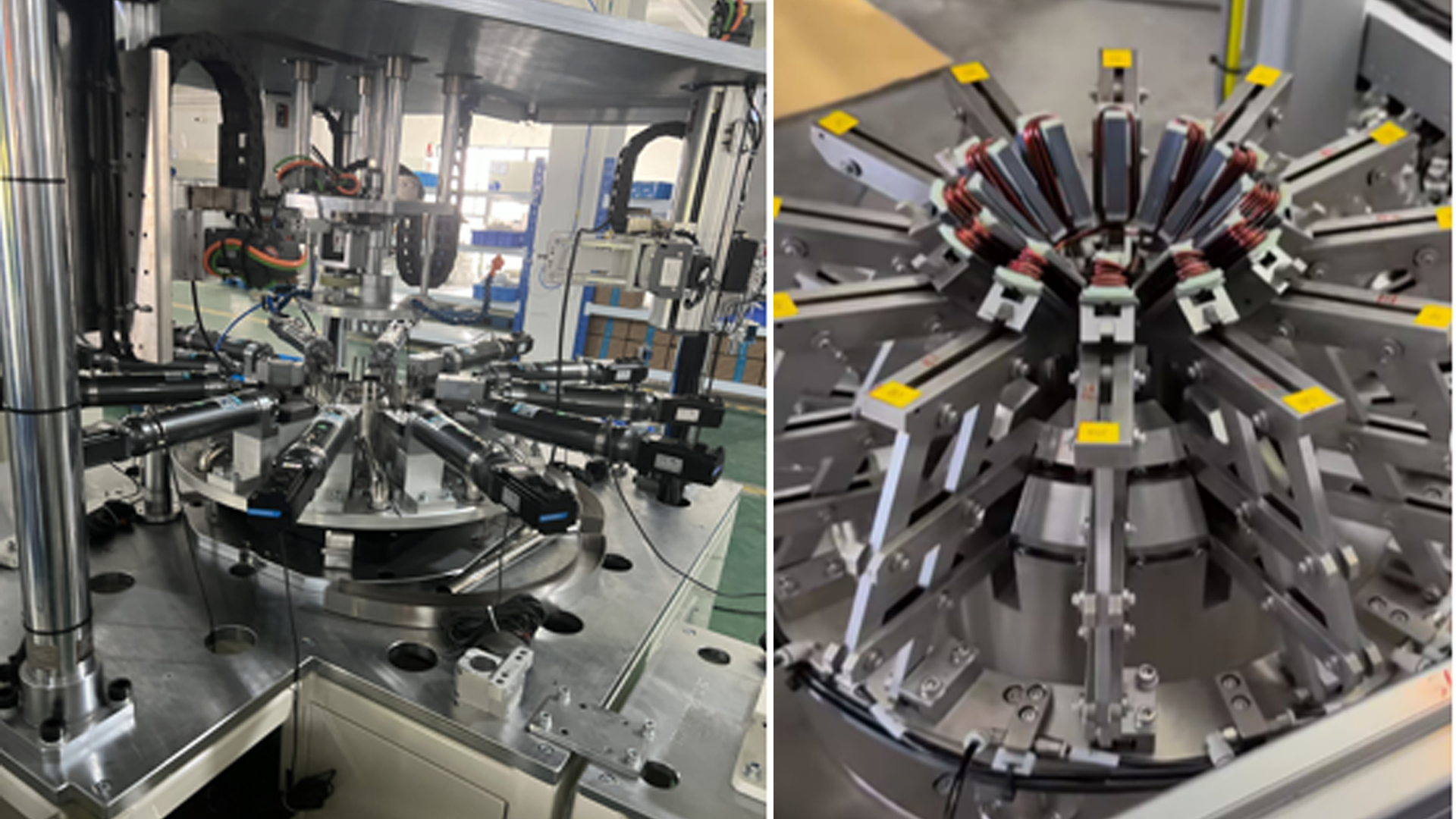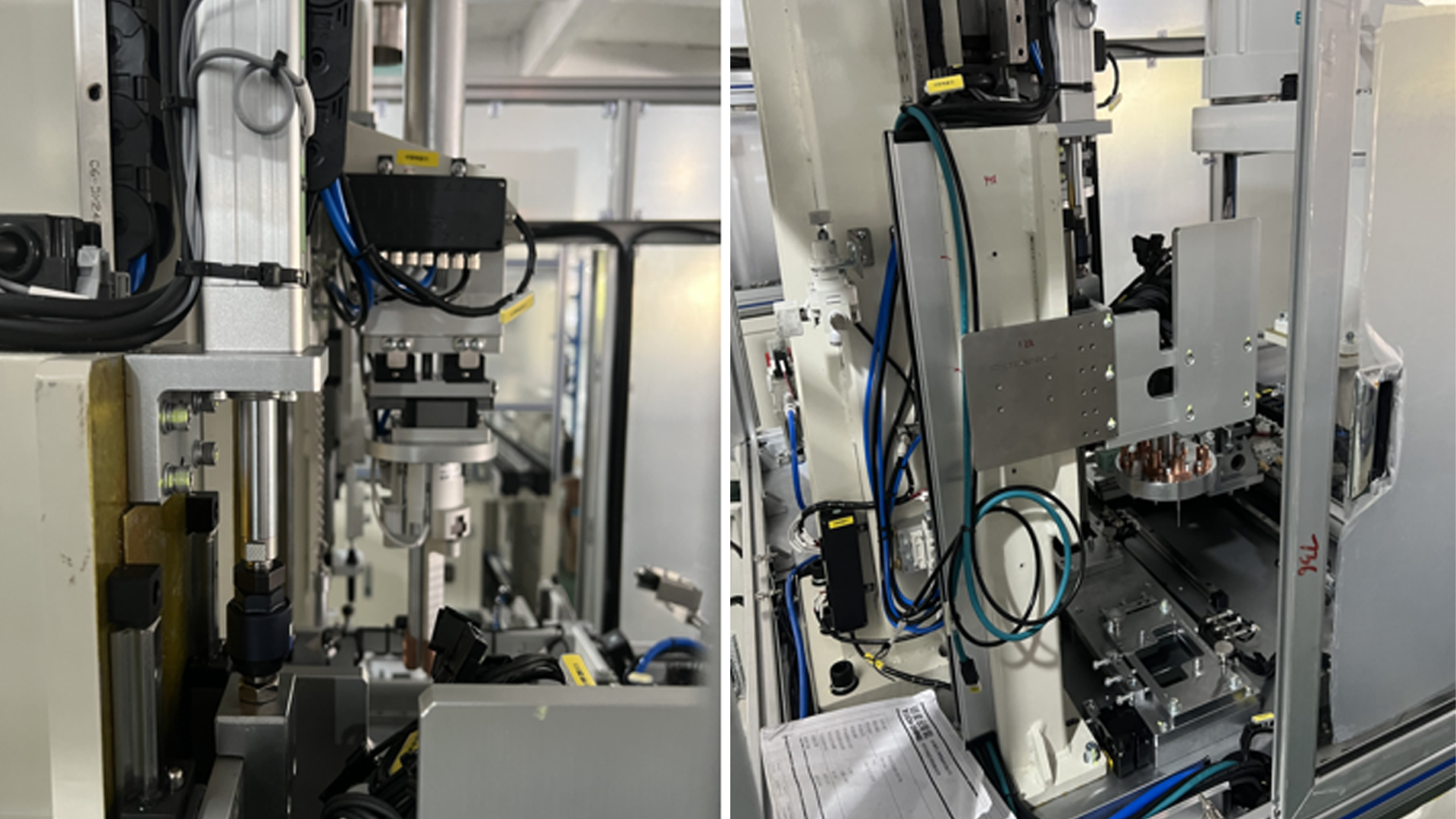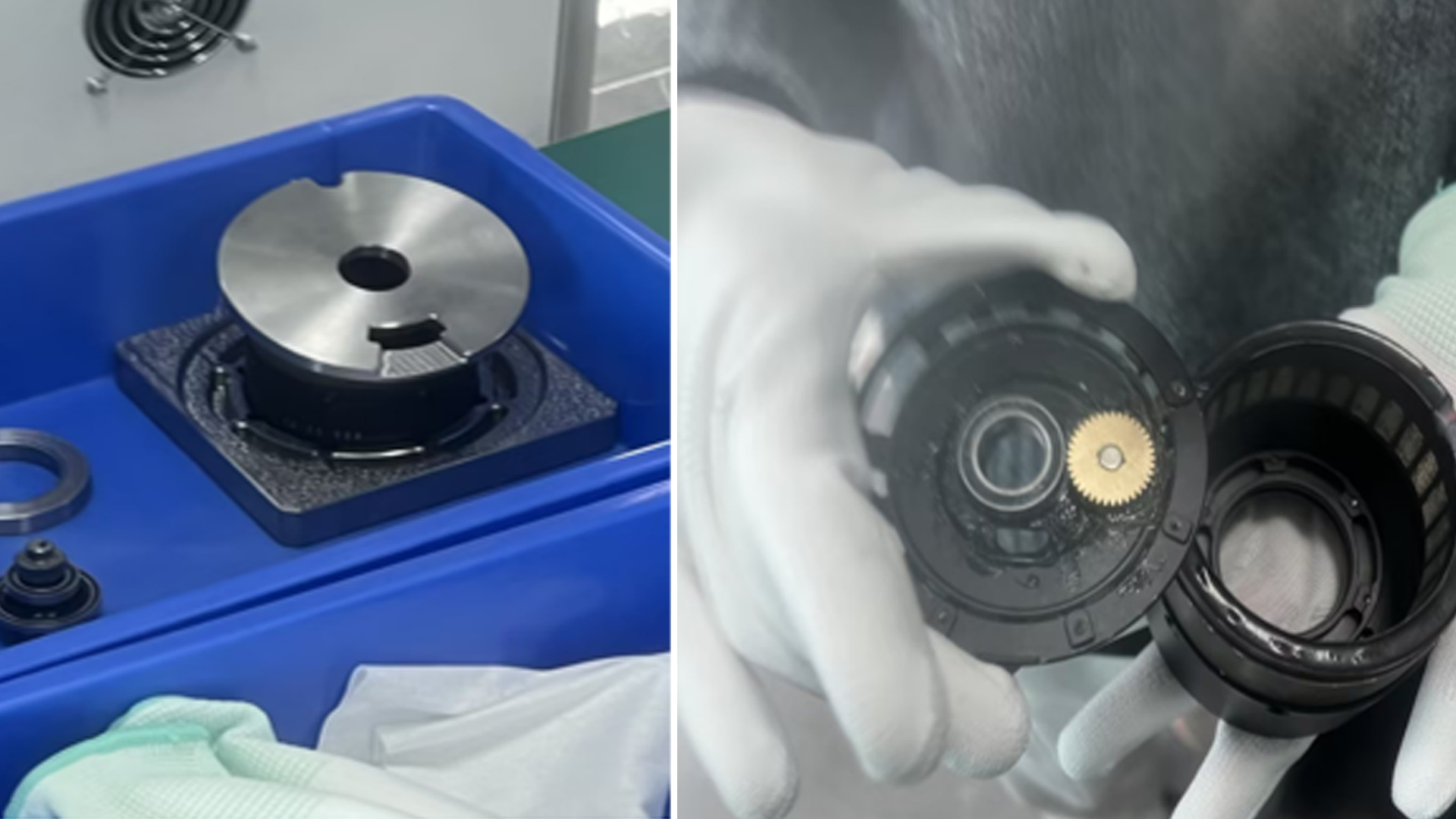
















The stator roundness accuracy of compact joint motors for humanoid robots directly determines motor performance. Mainstream processes include horizontal stator rounding and cup-shaped stator rounding. The former uses multiple presses for radial synchronous press-fitting, force holding and welding, offering high synchronization and good roundness.
The stator surface of compact humanoid joint motors is equipped with liquid-cooling channels. During shrink-fit insertion into the housing, the process must ensure non-contact insertion between the housing and stator to prevent scratching the cooling channels. The end-cover interference force must be monitored and evaluated online.
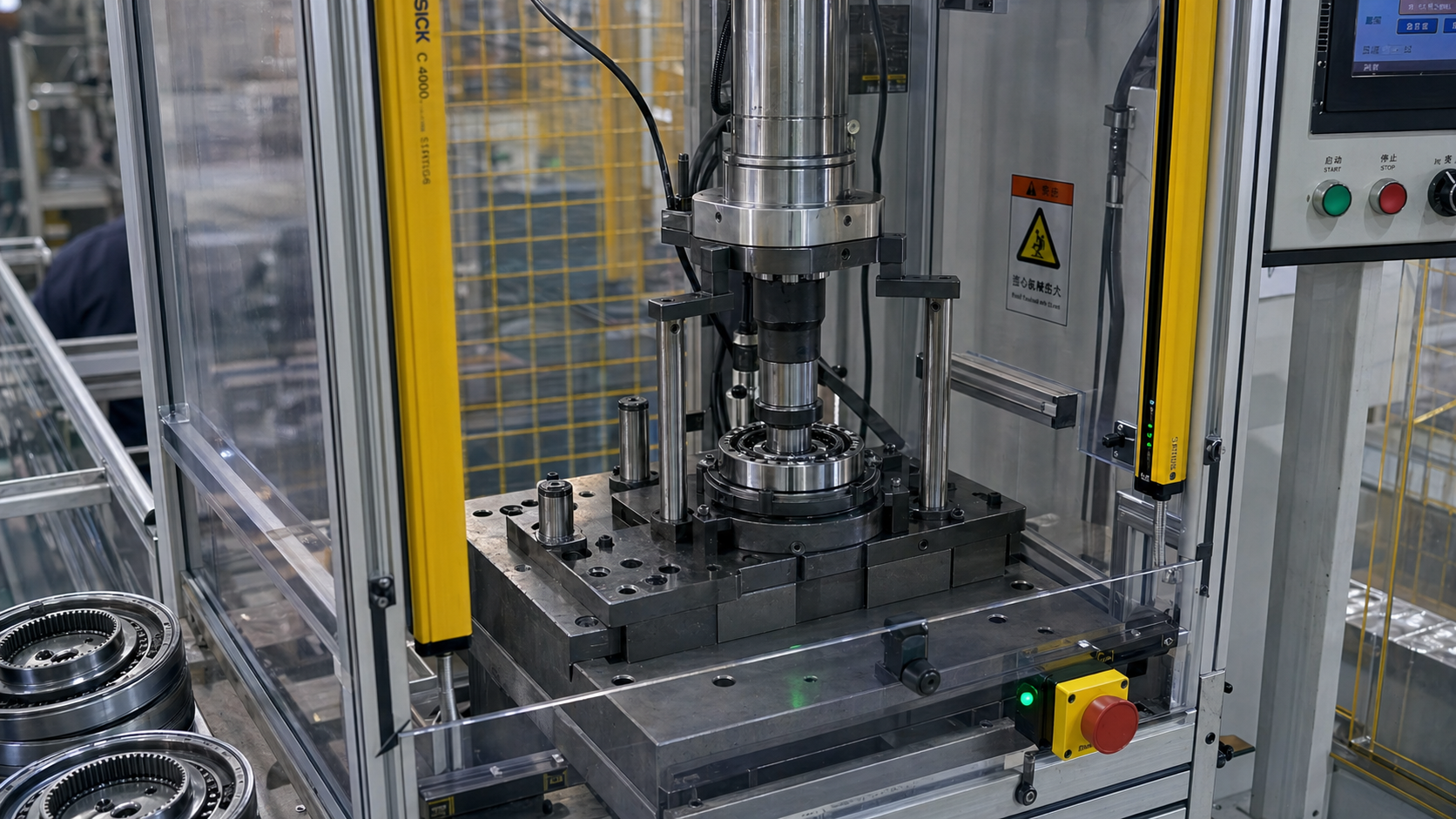
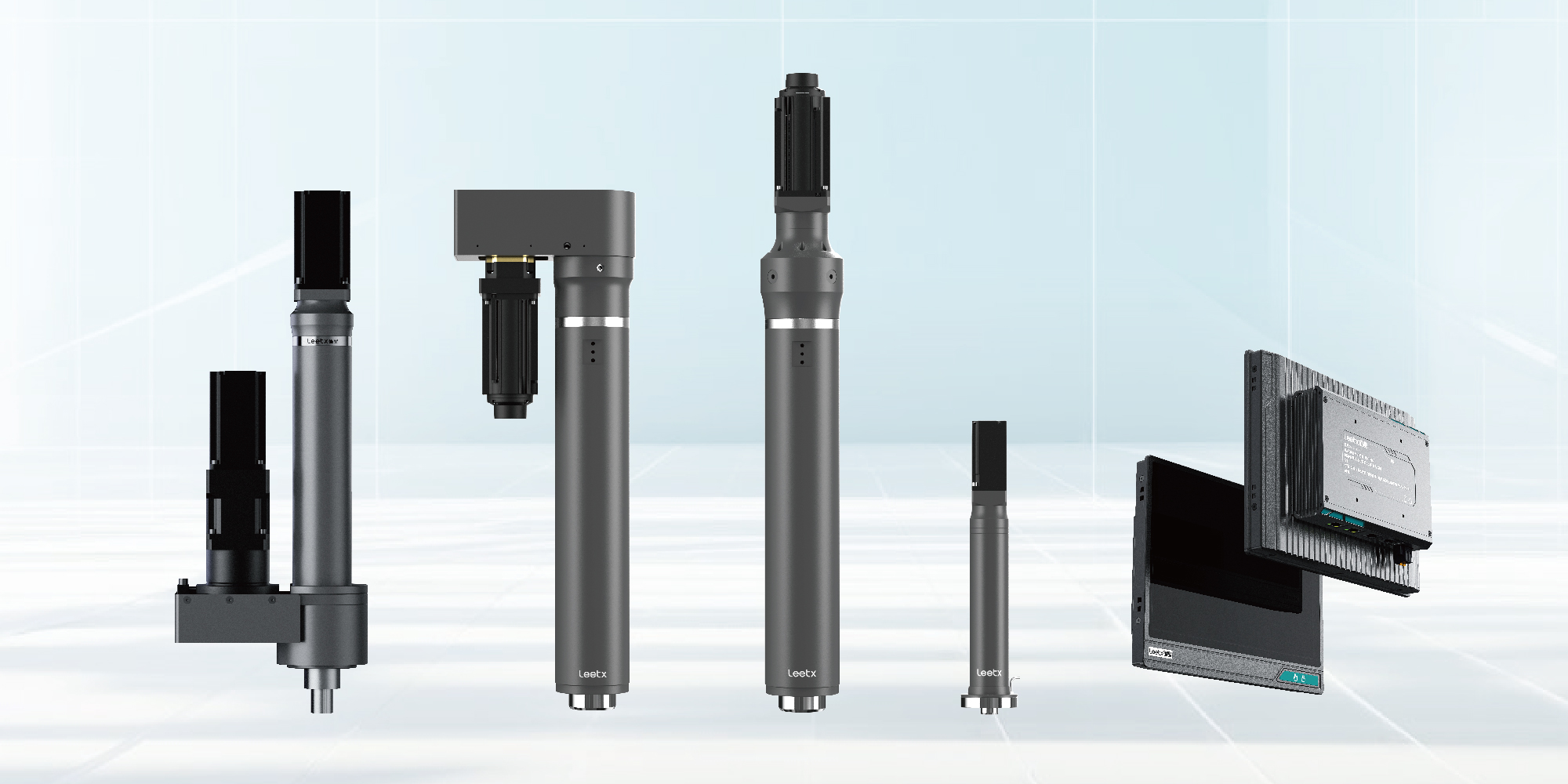
Planetary reducers are compact and offer high gear ratios, making them the mainstream solution for current joint modules. Their assembly involves multiple interference press-in operations, including bearings, planetary-gear needle rollers, locating pins and planet-carrier rollers. The process requires curve monitoring, real-time force-displacement evaluation and batch data traceability.
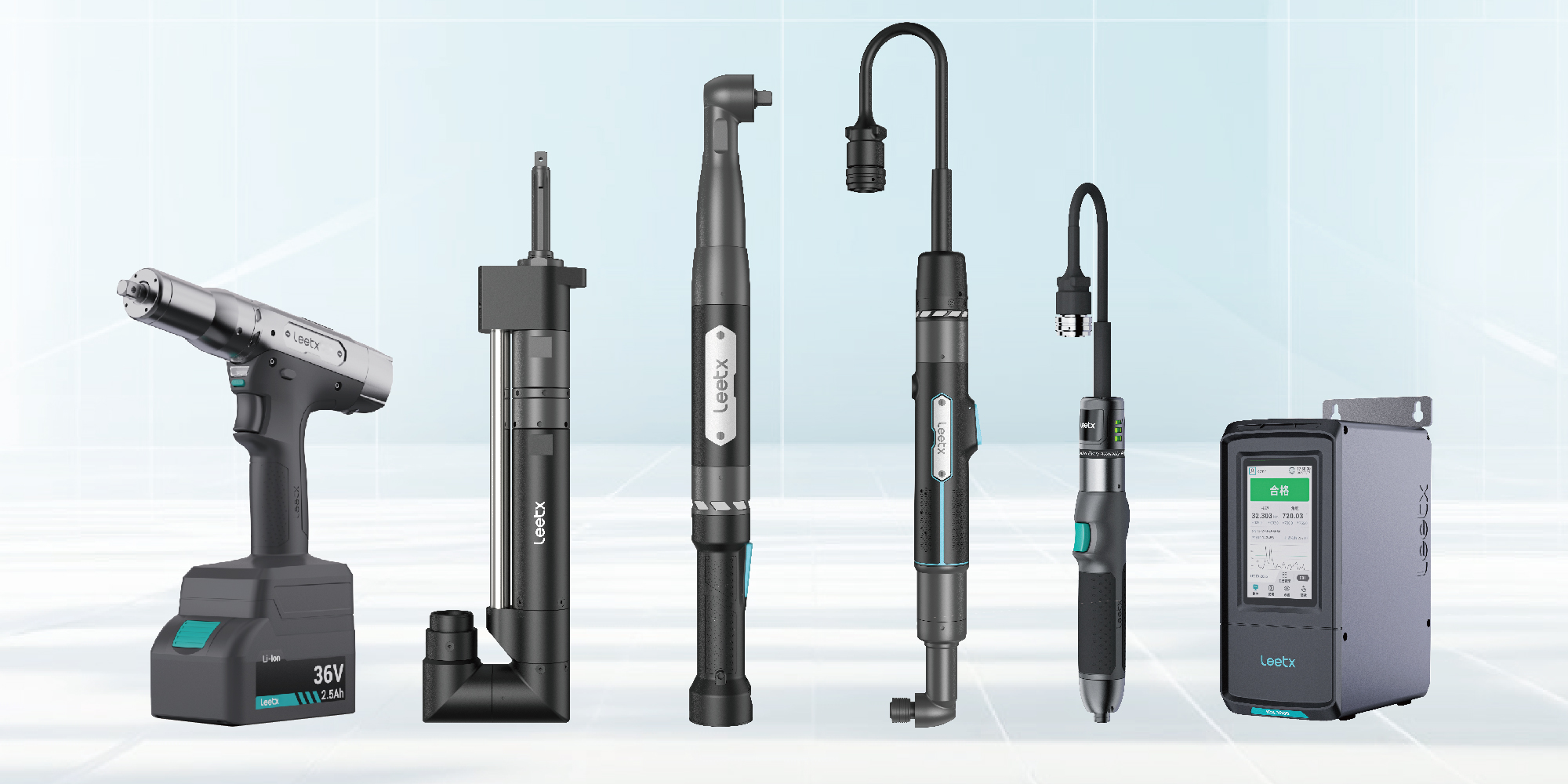
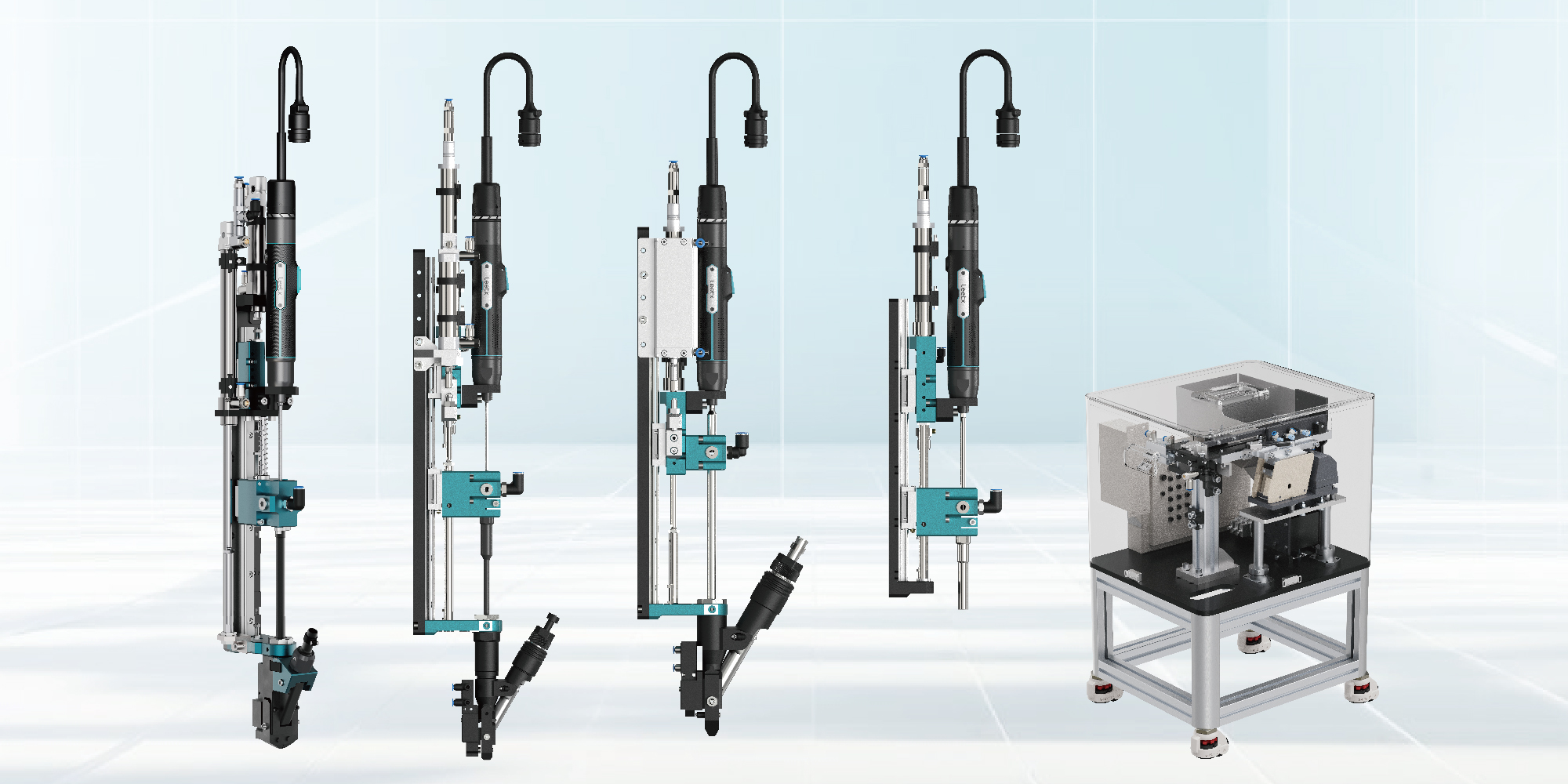
A single humanoid robot uses nearly 30 joint modules. Each module integrates multiple interference press-in operations involving bearings, frameless torque-motor stator/rotor components and end covers. The process requires curve monitoring, real-time force-displacement evaluation and full-process data traceability.
Leave your contact information to get the relevant solution immediately