Driven by the "Dual Carbon" strategy, power batteries — as core components of NEVs and energy storage — are rapidly advancing toward higher energy density, enhanced safety, and extended cycle life. With evolving architectures such as CTP, CTC, and 4680 large cylindrical cells, precision control, consistency assurance, and full-process data traceability in cell, module, and pack assembly face unprecedented demands. Conventional methods struggle to meet the requirements of multi-spec, fast-iteration, high-takt production.
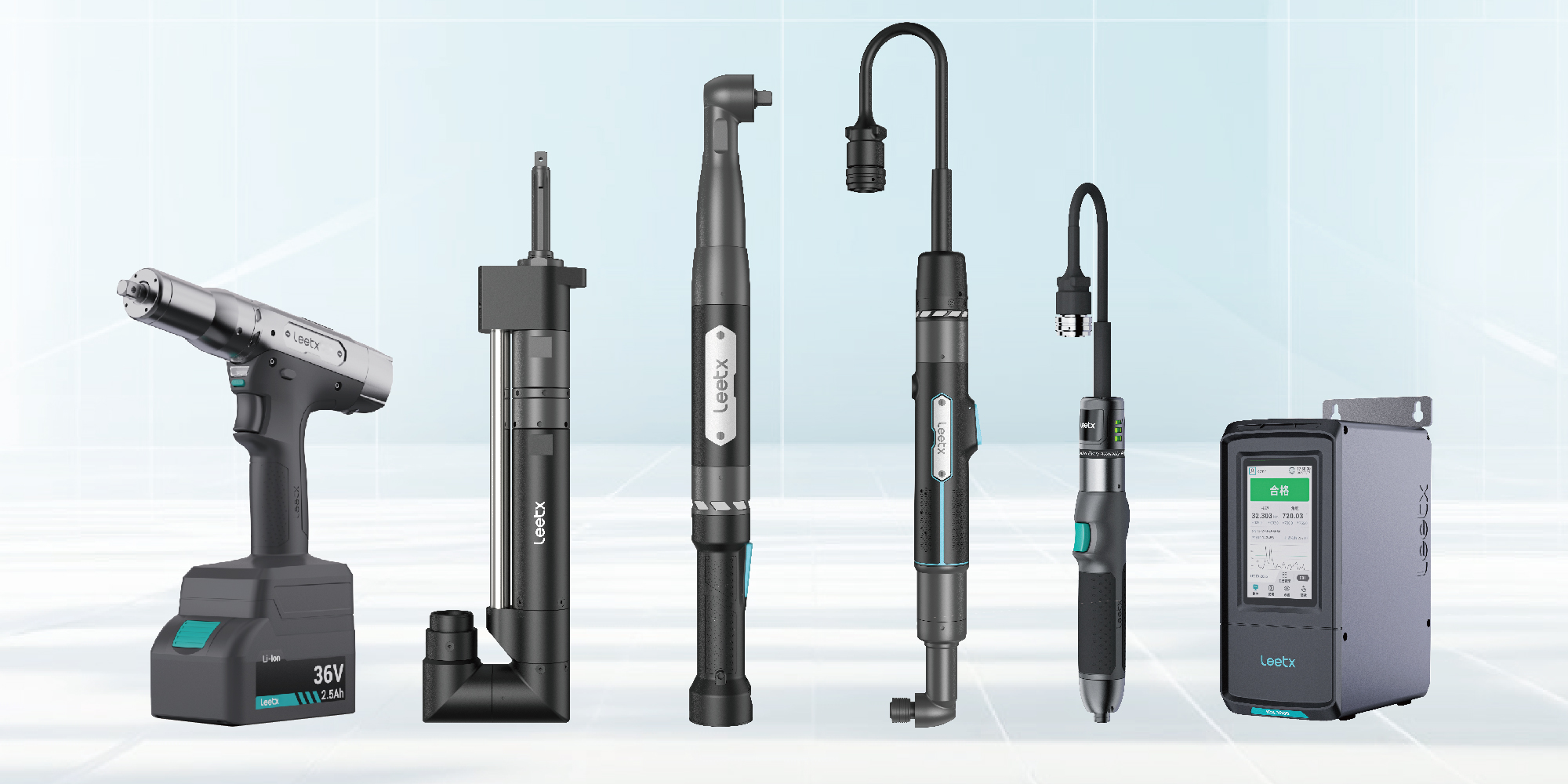
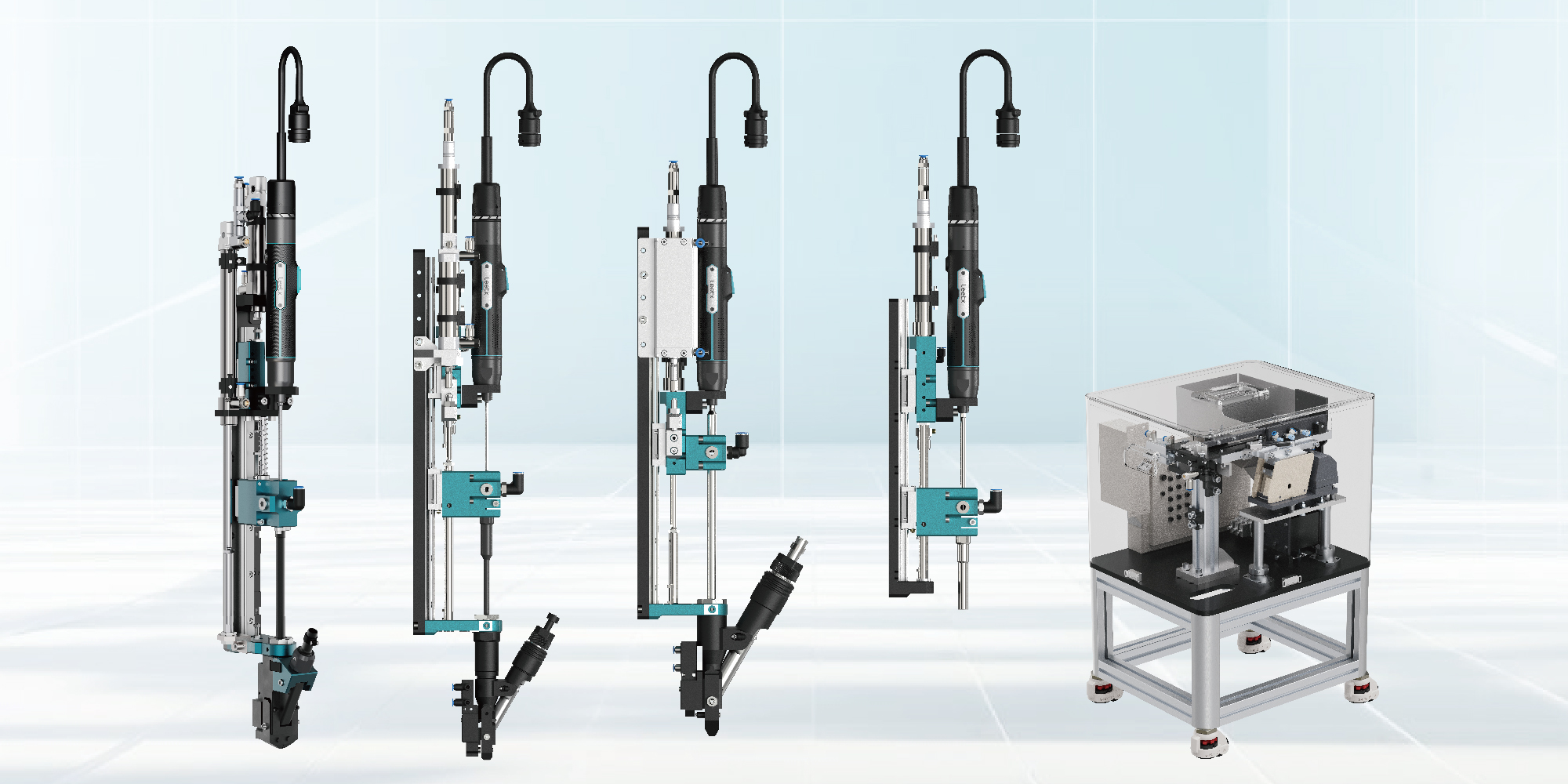
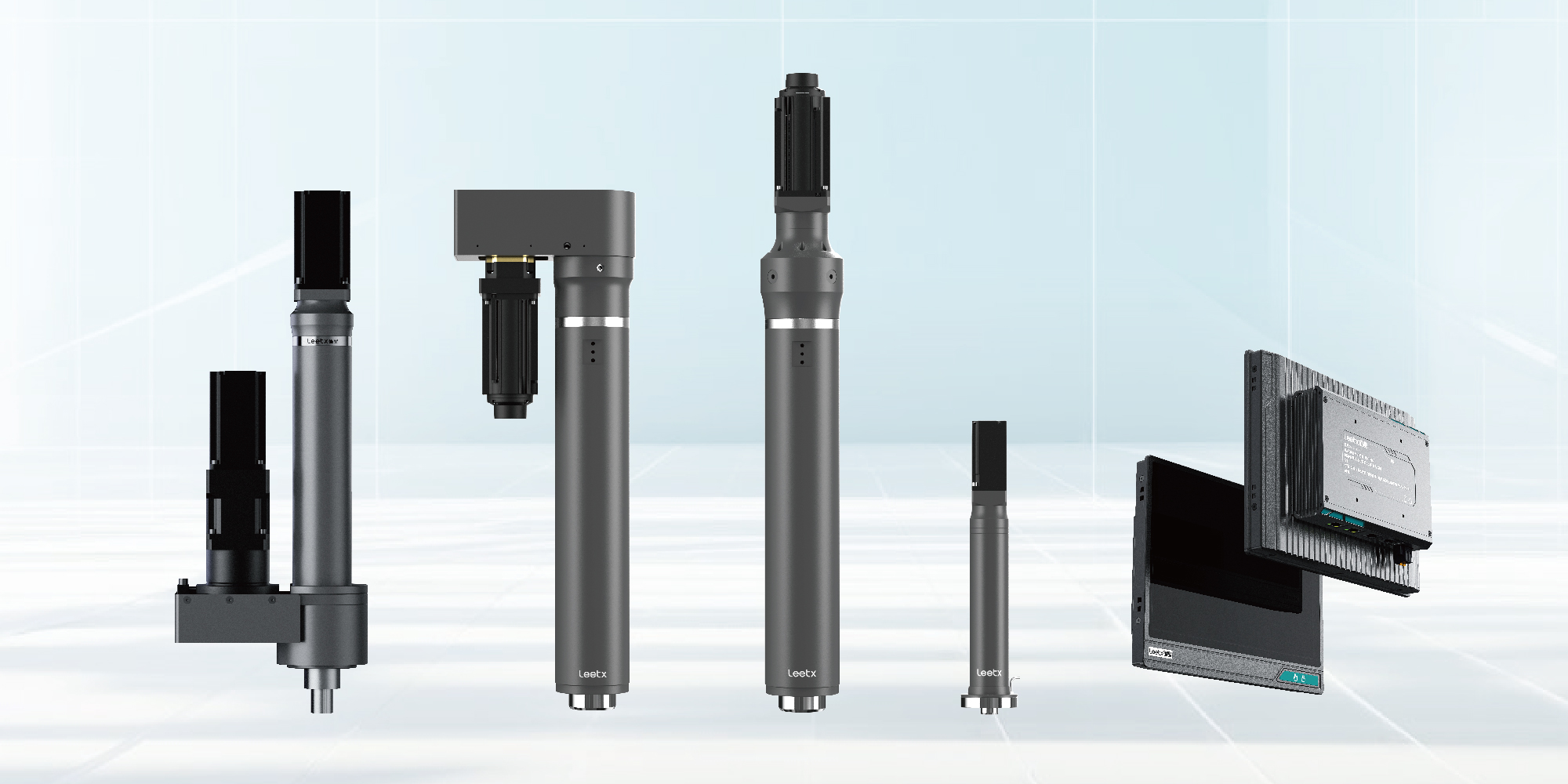
Leveraging high-precision, high-consistency, flexible, and intelligent product advantages across three core business lines — servo press-fitting, intelligent tightening, and automatic feeding — Leetx delivers one-stop assembly solutions from standalone equipment to fully integrated lines for the power battery industry. Our solutions are widely applied in cell-to-case insertion, module stacking/pressing, busbar crimping, endplate-to-sideplate bonding/pressing, module fixing bolts, pack housing seal bolts, high-voltage connector bolts, liquid cooling plate tightening, as well as automated feeding of screws, explosion-proof valves, and insulation pads. Covering every critical process from cell-to-module assembly to pack final assembly, we help battery manufacturers achieve full-line high-quality automated production — significantly improving consistency, safety, and reliability while driving smart, digital transformation in power battery manufacturing.
Press-Fitting | EV Battery Module Pressing into Pack Housing
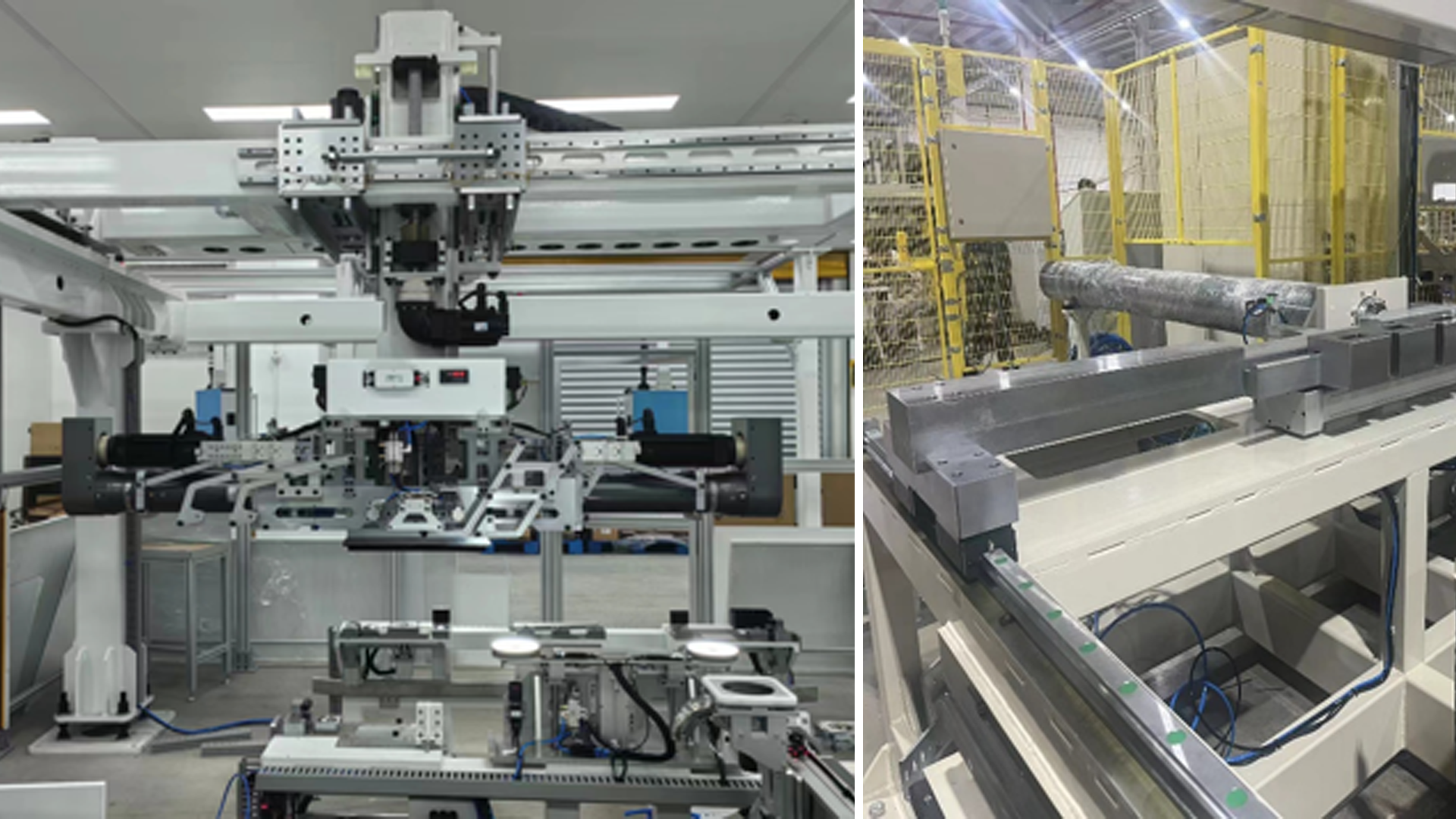
Pressing the module into the pack housing is a critical process in battery pack assembly. The thermally conductive structural adhesive on the bottom of the battery must be uniformly squeezed and spread under continuous, stable force to ensure a thermal interface free of voids and air gaps.
Press-Fitting | EV Battery Module Compression Stacking
Module compression is a key process in cell-to-module assembly. After cell stacking, precise preload must be applied to compensate for cell swelling during cycling and to ensure module structural stability and cell consistency. Excessive compression can damage the cells, while insufficient compression can compromise cycle life and safety performance.
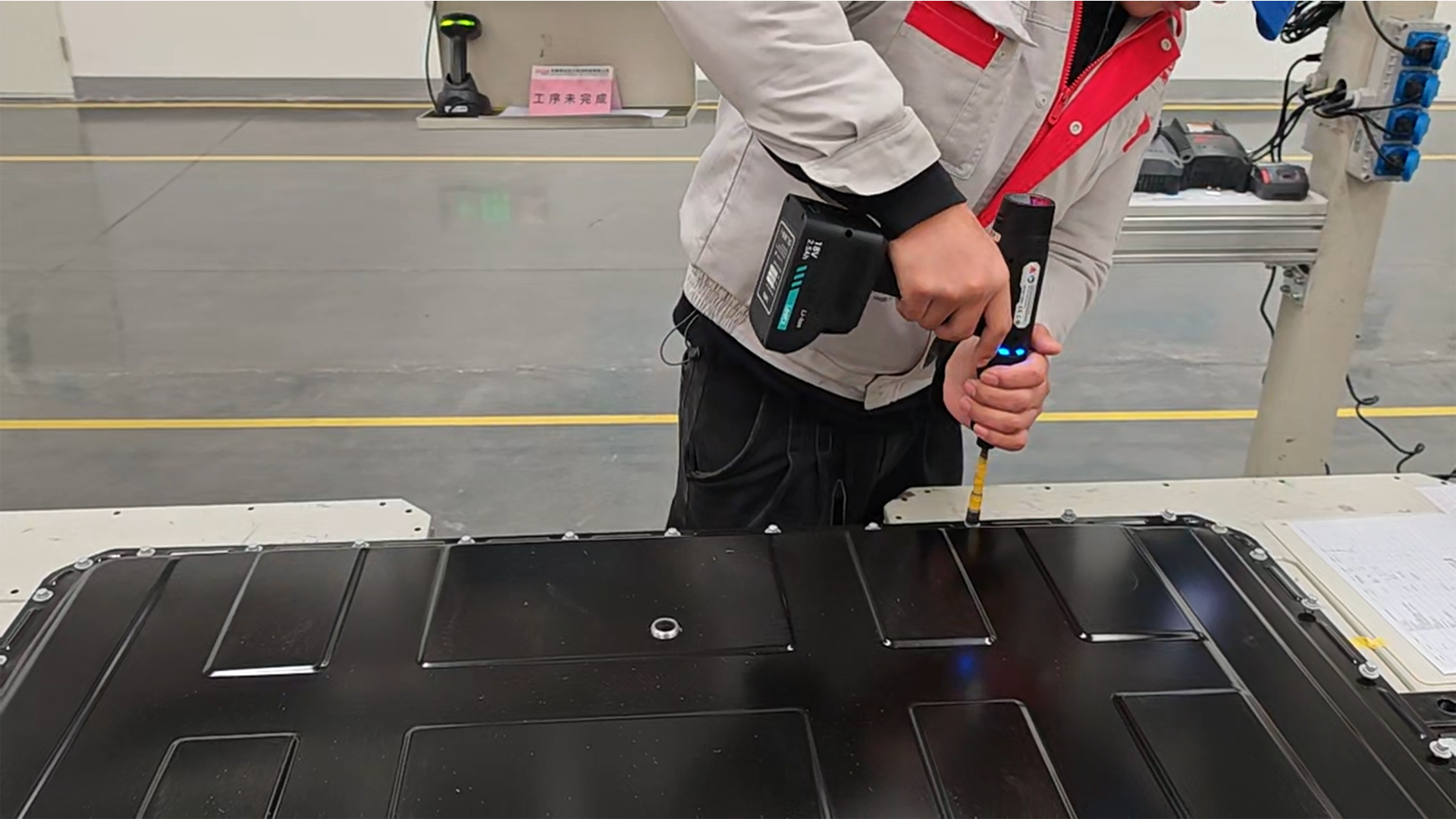
Tightening | Power battery PACK housing tightening
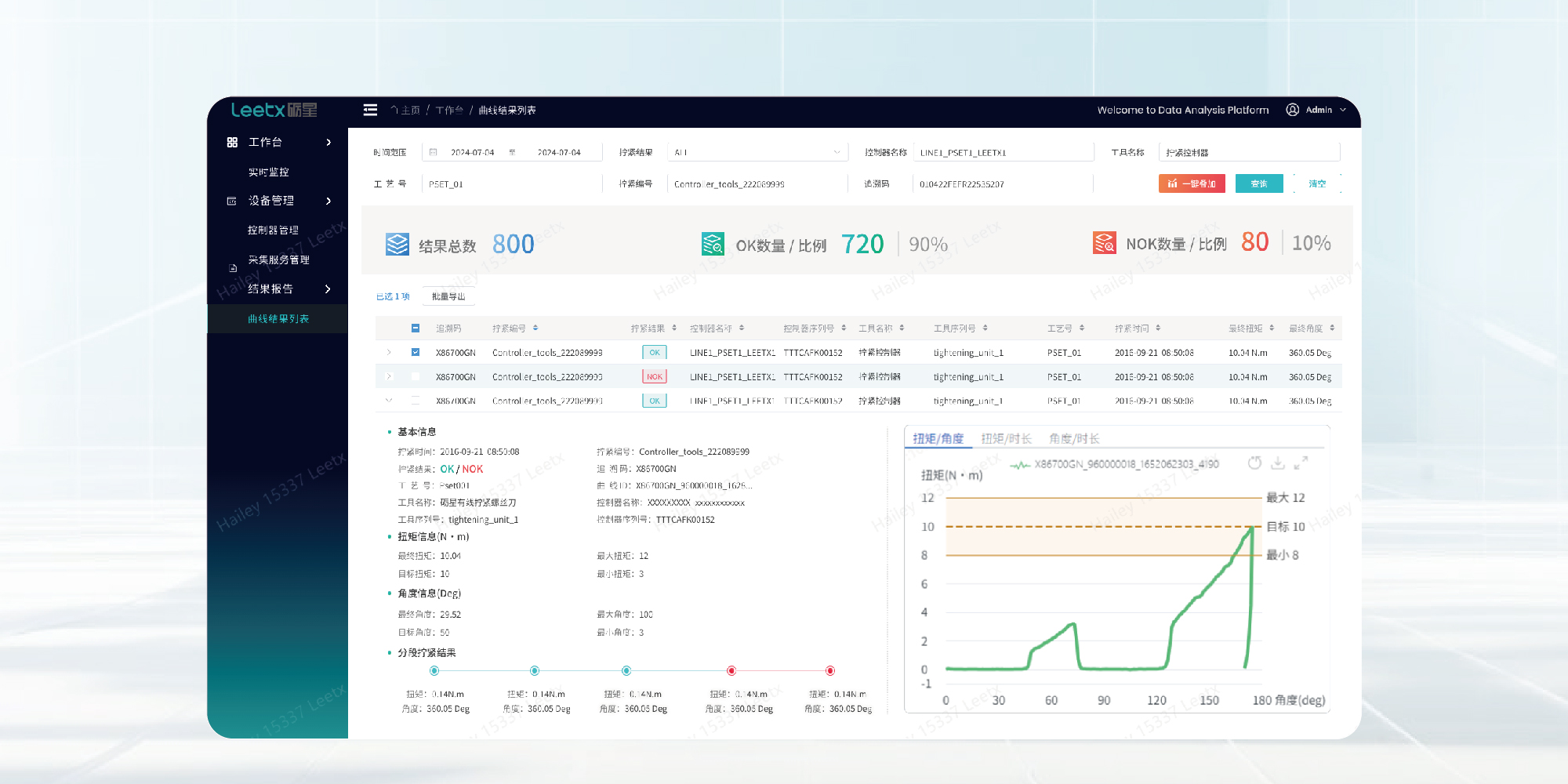
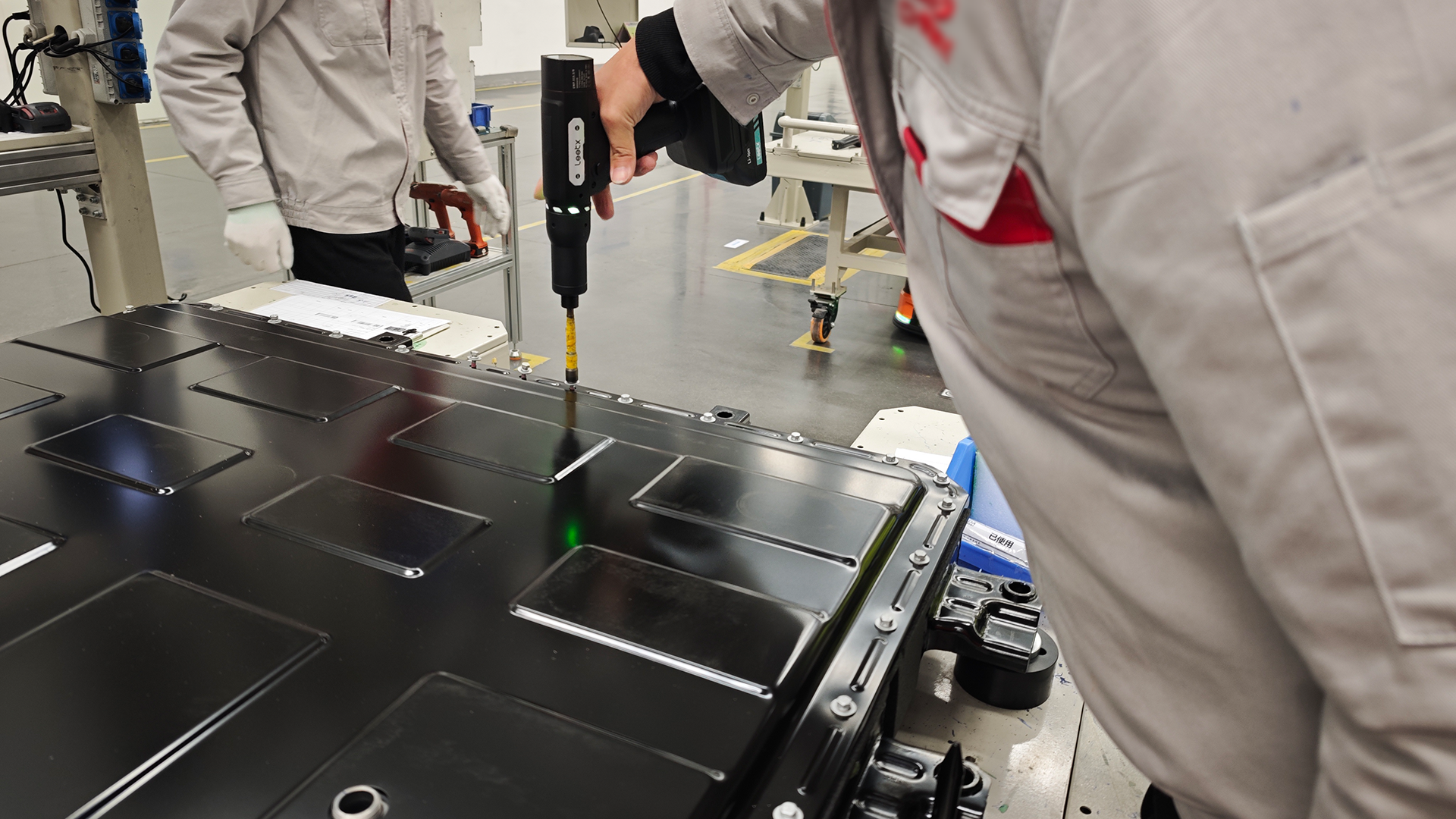
PACK housing tightening is a key sealing operation, especially with aluminum housings that are sensitive to clamp load. Leetx cordless tightening uses servo closed-loop control and torque-angle monitoring to detect stripped threads, floating screws, and other abnormalities with wireless traceability.
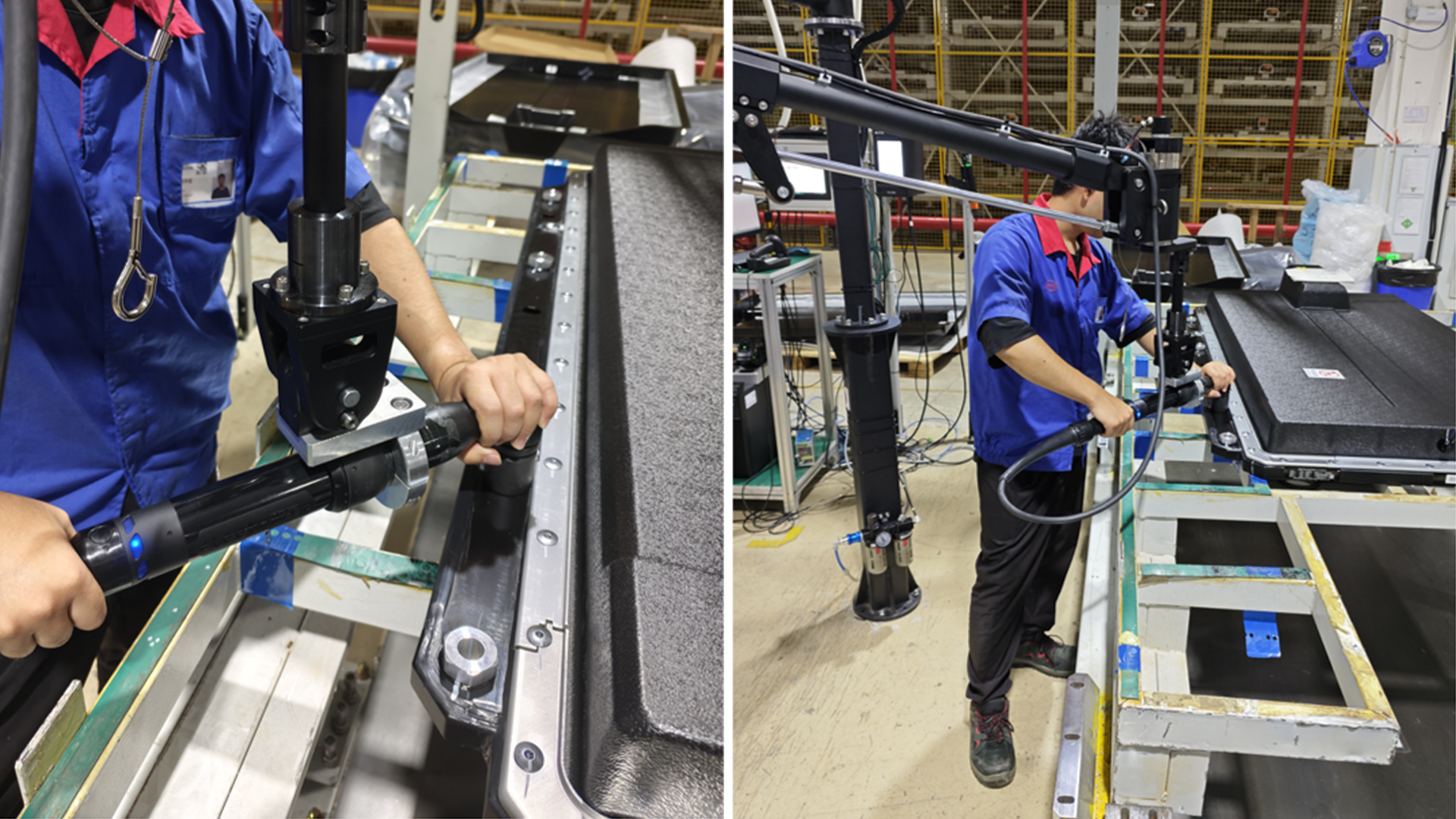
Tightening | Power battery PACK top-cover tightening
PACK top covers contain many bolts, create missed-tightening risk, and involve sensitive materials. Leetx intelligent tightening with a positioning reaction arm enforces sequence control, prevents missed tightening, supports reaction-force management, and uploads results in real time.
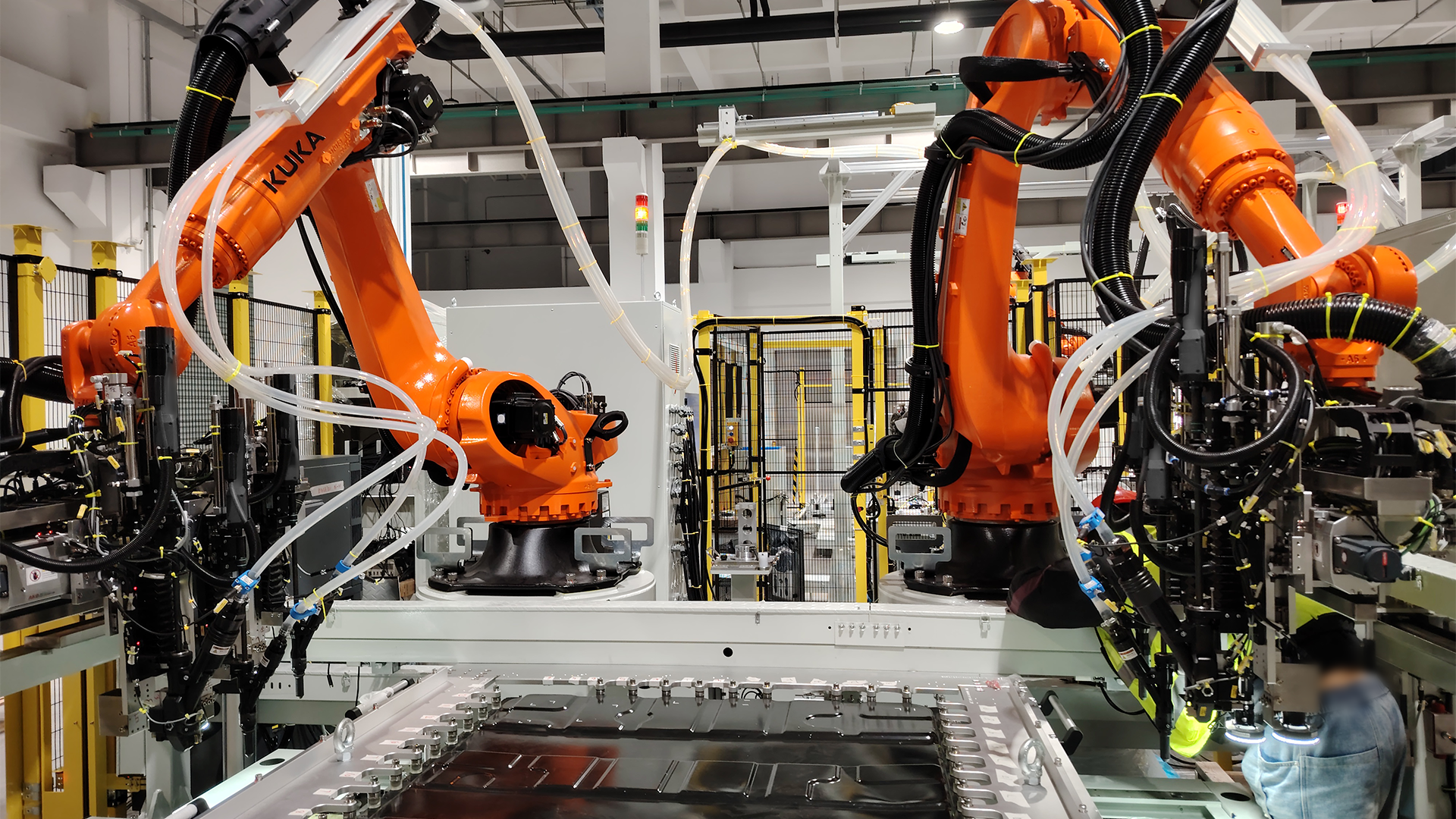
Screw-feeding | Power battery PACK top-cover tightening
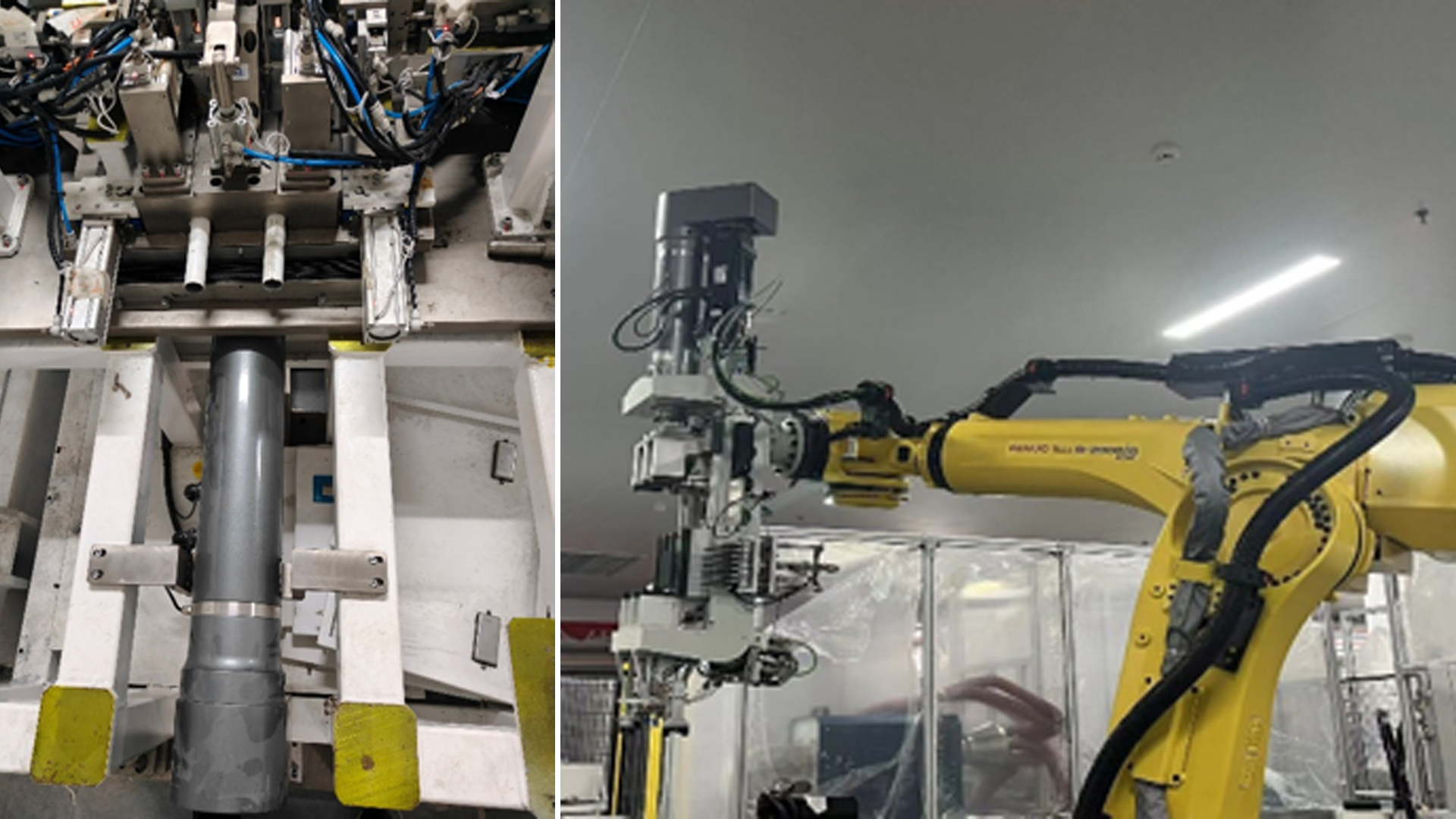
PACK top covers typically require 24-48 bolts, and manual screw picking introduces dropped, wrong, or missed screws. Leetx automatic screw feeding standardizes pick-feed-tighten actions and uses presence confirmation plus error-proof interlocks to eliminate these risks.
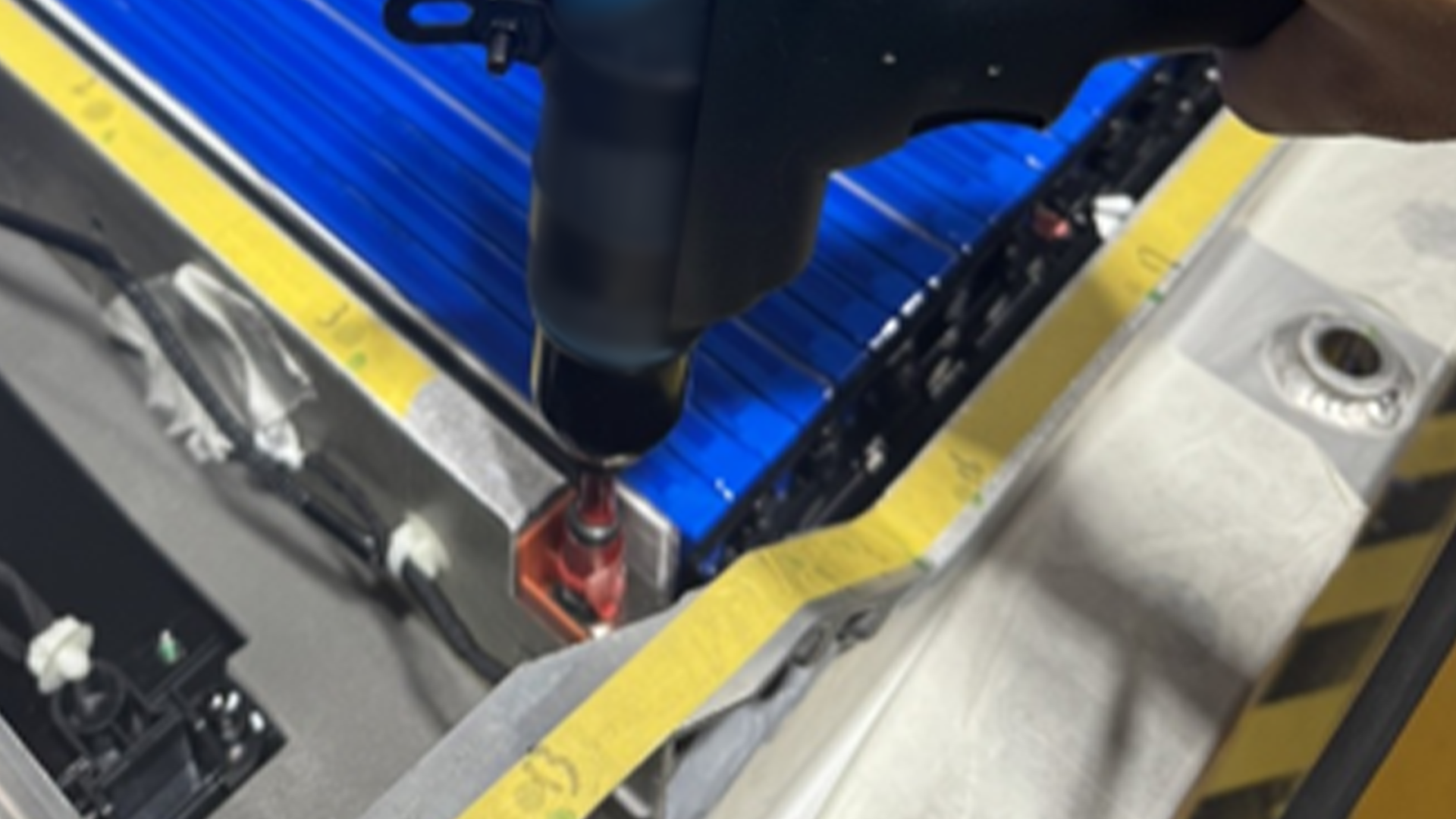
Tightening | Battery module fastening:
Battery module fastening is a safety-critical joint. Long studs pass vertically through the module into the PACK base, requiring controlled engagement depth and verticality; torque plus angle monitoring and seating detection identify stripped threads or abnormal seating while creating per-bolt lifecycle traceability.
Get Solution
Leave your contact information to get the relevant solution immediately
Get Solution
Leave your contact information to get the relevant solution immediately
Please complete security verification
Cookie settings
Our website uses cookies which are necessary for running the website and for providing the services
you request. We would also like to set the following optional cookies on your device. You can change
these settings any time later by clicking "Change cookie settings" at the bottom of any page. For
more information, please read our Cookie information