The shift from hydraulic to servo press-fit isn't about replacing machines. It's about replacing uncertainty.
The shift from hydraulic to servo press-fit isn't about replacing machines. It's about replacing uncertainty.
For decades, press-fit operations ran on hydraulic or pneumatic power. Simple, robust, and—let's be honest—blind. You applied force and hoped the result was within spec. If something went wrong mid-cycle, you didn't know until final test.
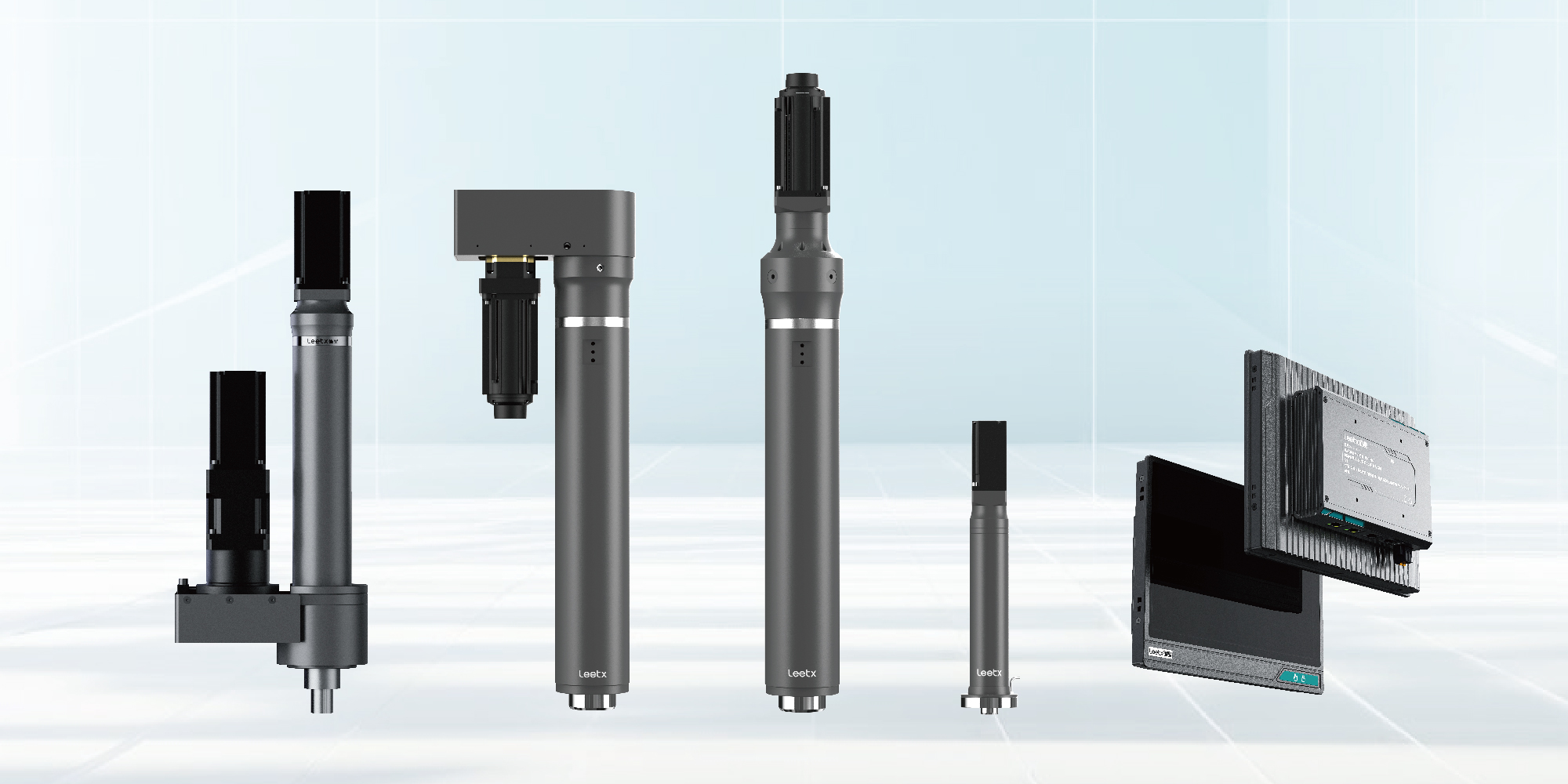
Servo press-fit changes that fundamentally. Not because the mechanics are different, but because the visibility is different.
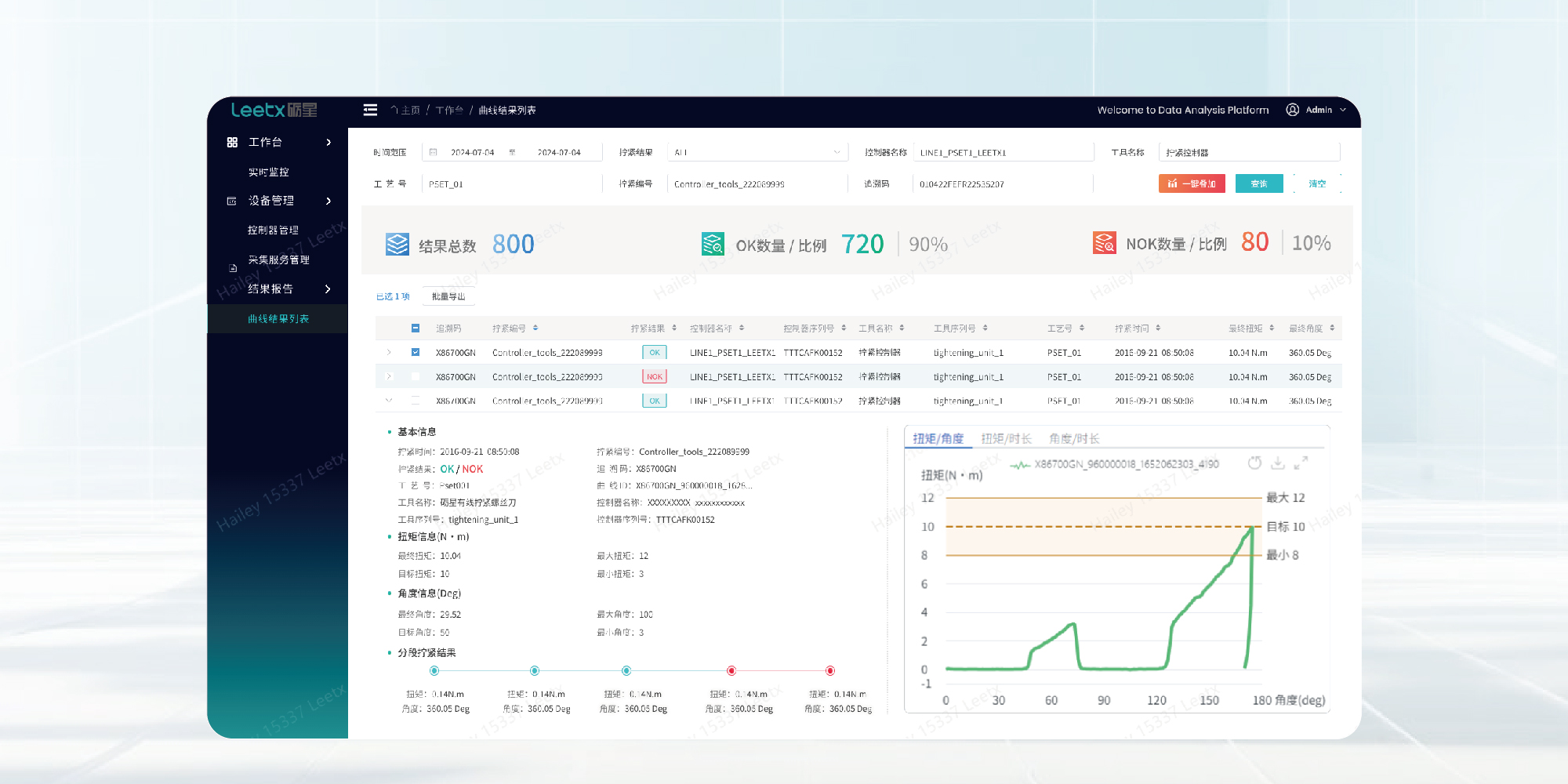
With closed-loop force and displacement control, every press generates a signature—a curve that tells you exactly what happened inside the joint. Compare it to a master in real time, and you catch anomalies the moment they occur, not after the part has moved downstream.
The numbers matter here: 10 kHz sampling means you're capturing 10,000 data points per second. 0.01mm accuracy means you're resolving displacement at scales that hydraulic systems never could. 250 us reaction time means you can stop a bad press before it becomes a bad part.
Manufacturers who've made the shift report something interesting: they don't just have better data. They have fewer surprises. The process becomes predictable. Repeatable. Boring, in the best possible way.
At MAX 2026, we're demonstrating what this looks like on an actual production line—not a lab setup, but the same systems running in hundreds of plants worldwide.
Join us at Booth 1037 | Music City Center, Nashville!
Our website uses cookies which are necessary for running the website and for providing the services
you request. We would also like to set the following optional cookies on your device. You can change
these settings any time later by clicking "Change cookie settings" at the bottom of any page. For
more information, please read our Cookie information