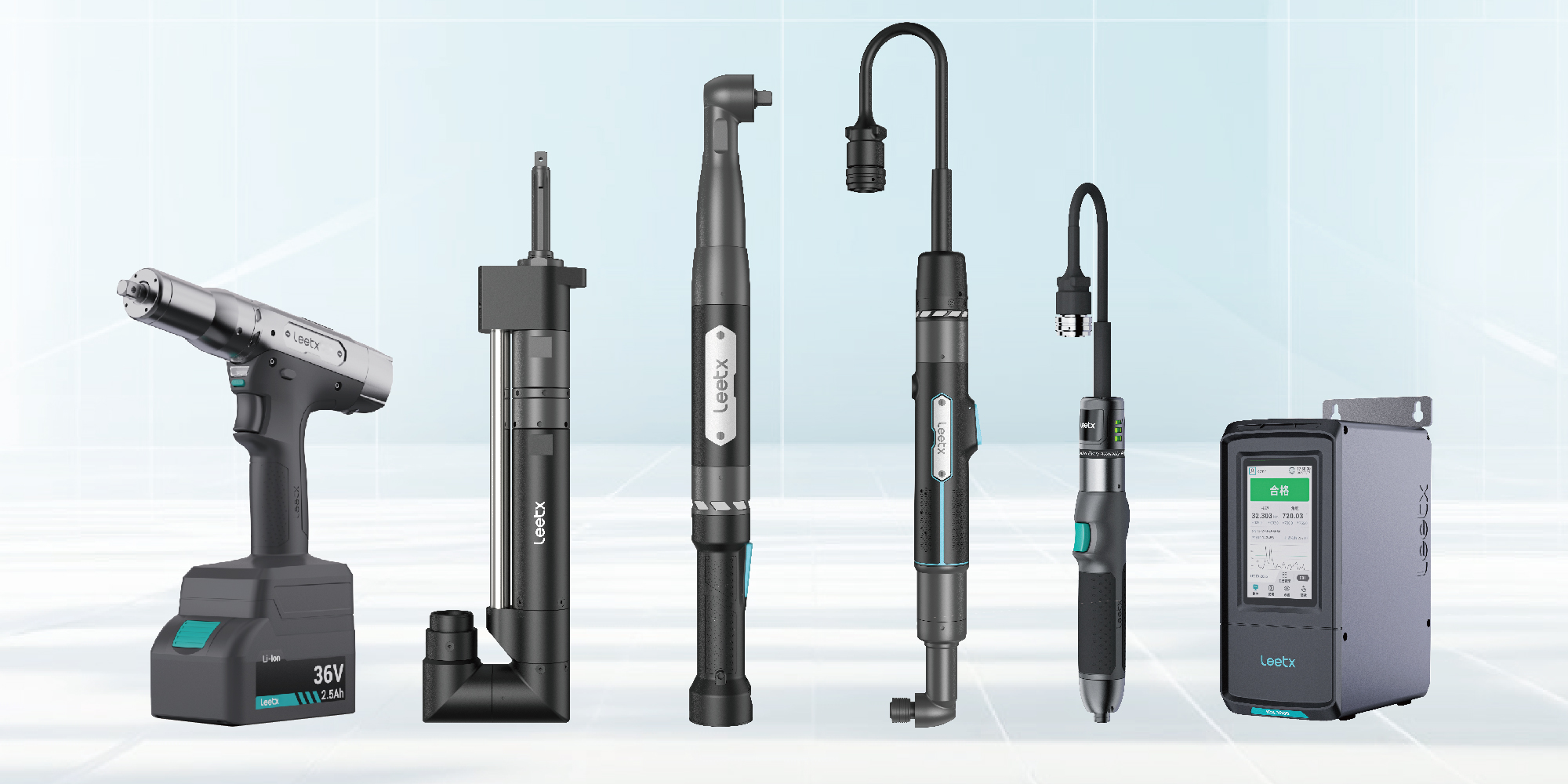
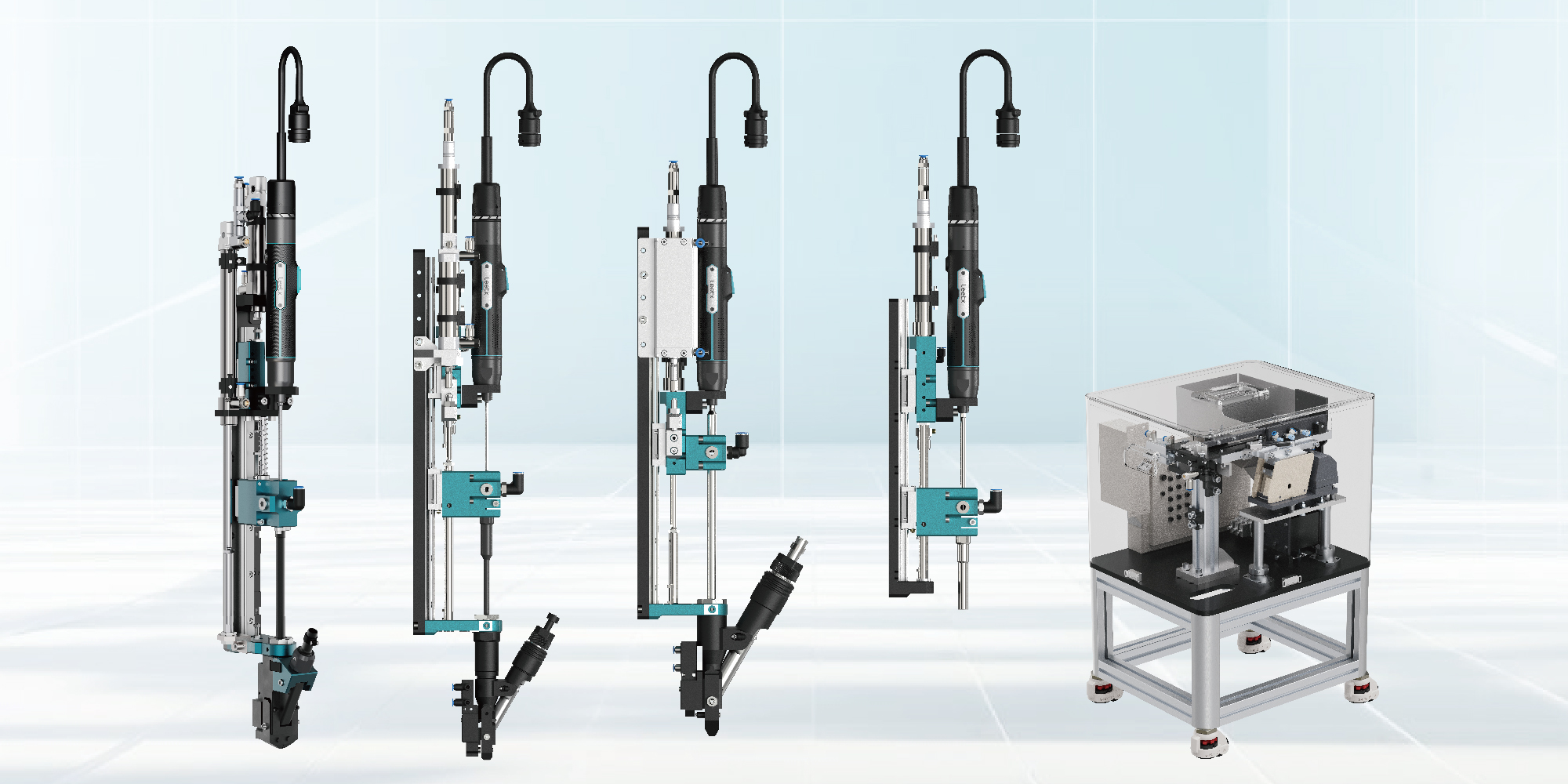
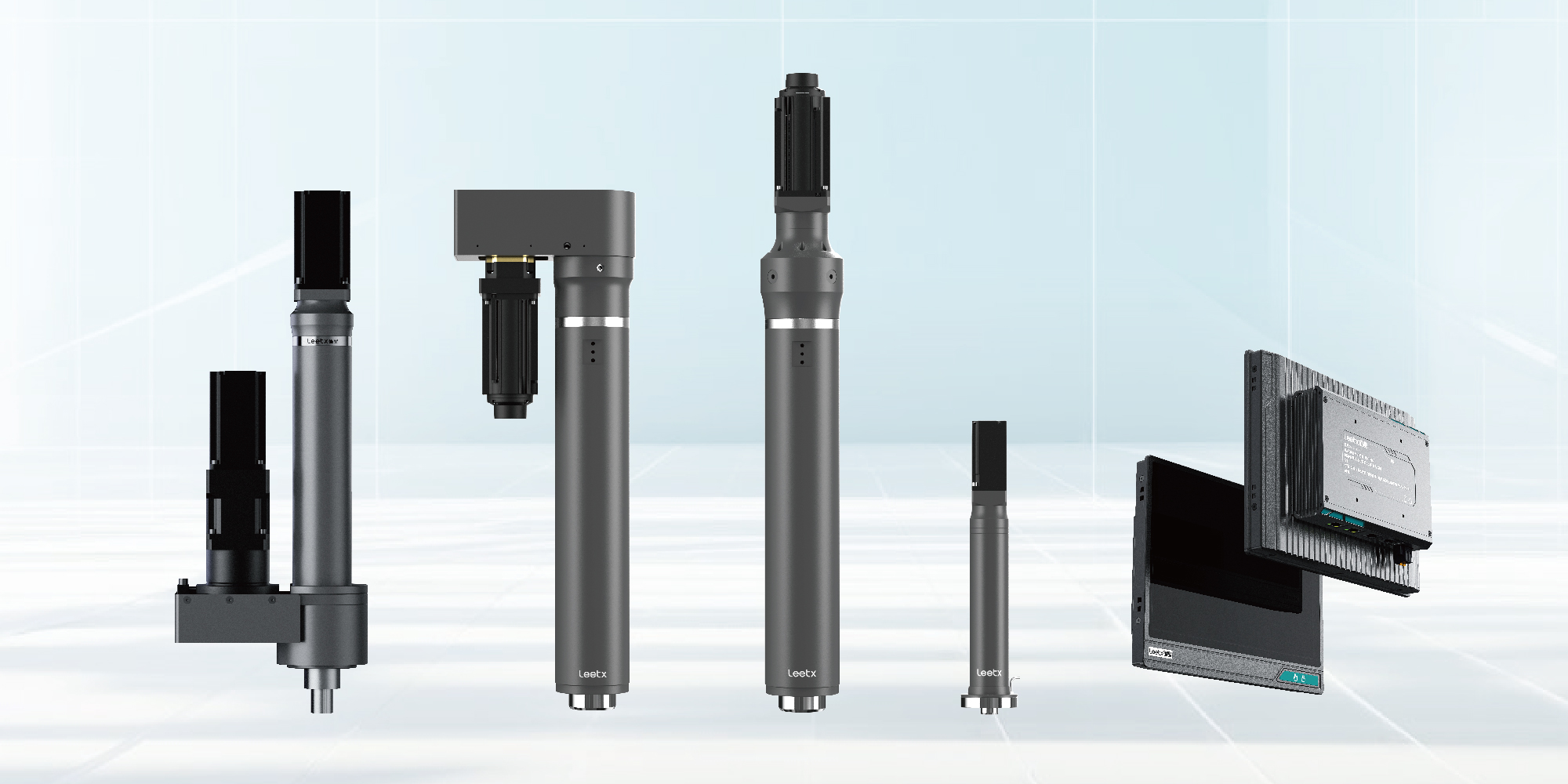
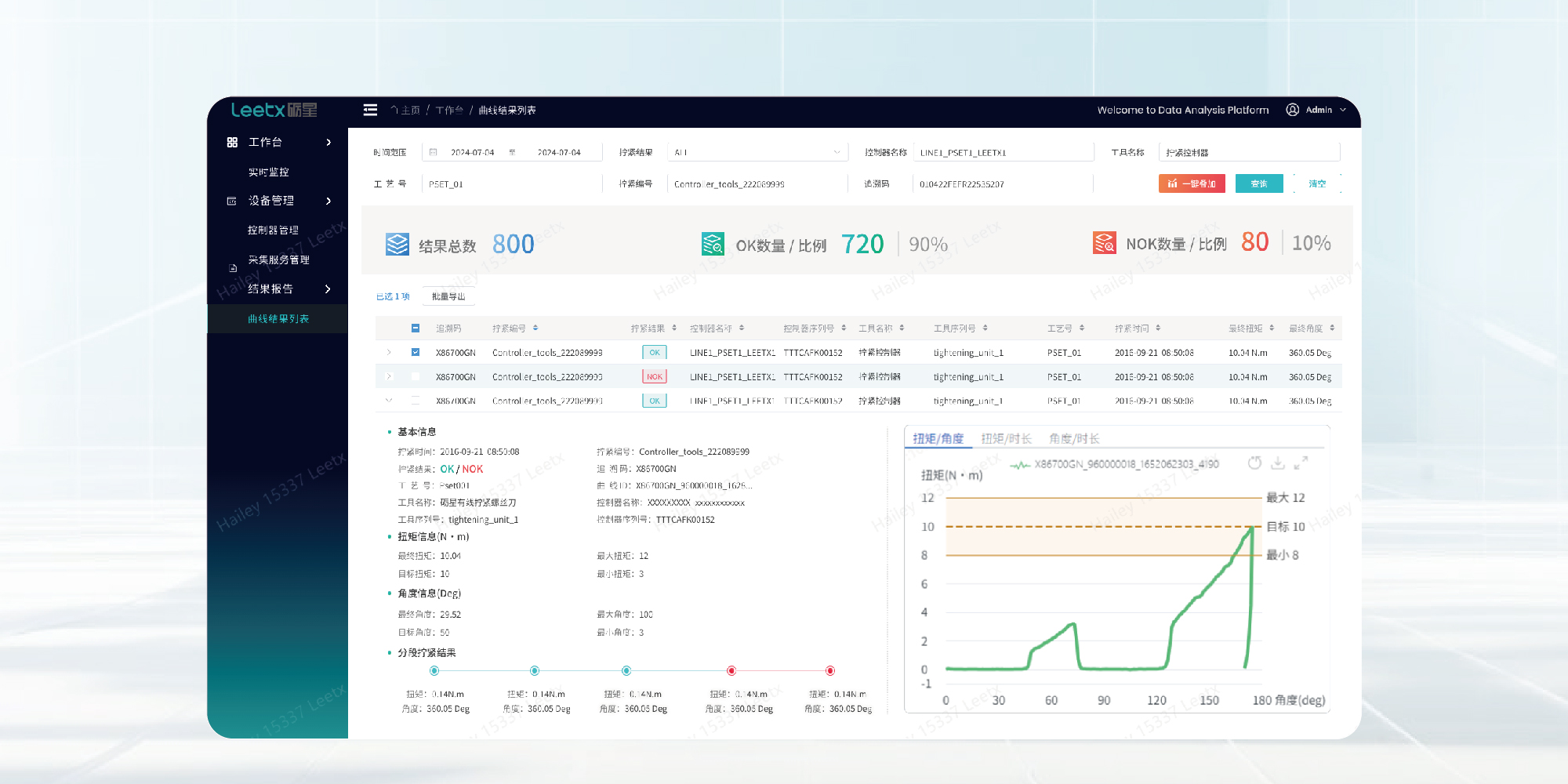
Your cobot is only as fast as its end effector. It's a simple observation, but one that's easy to miss when planning automation cells. You invest in a high-speed collaborative robot, program the optimal path, and then wonder why cycle times don't match expectations.
The answer is often hiding in plain sight: the tool at the end of the arm.
Heavy, complex end effectors force cobots to slow down. Poorly integrated feeding systems create micro-delays that compound across thousands of cycles. The result is a cell that runs, but never at its designed potential.
The most effective hybrid lines we've observed share one characteristic: they match the tool to the task. Lightweight, purpose-built actuators let the cobot move at its rated speed—and often let you size down the robot itself. A 5kg cobot with a lightweight end effector can do the work that would otherwise require a 10kg machine, freeing up payload capacity for additional sensors, cameras, or tooling. Modular feeding systems integrate in hours, not days.
At MAX 2026, we're showing what's possible when you stop compromising on end effector design. The cobot does what it does best—move quickly and precisely. The tool does what it does best—feed and fasten without hesitation.
Discover more at MAX 2026, Booth 1037!
Learn more:

Cobot LightweightAutomation SmartManufacturing AssemblyLine Leetx IndustrialRobotics AivLite Efficiency MAX2026 CollaborativeRobots Lightweighting