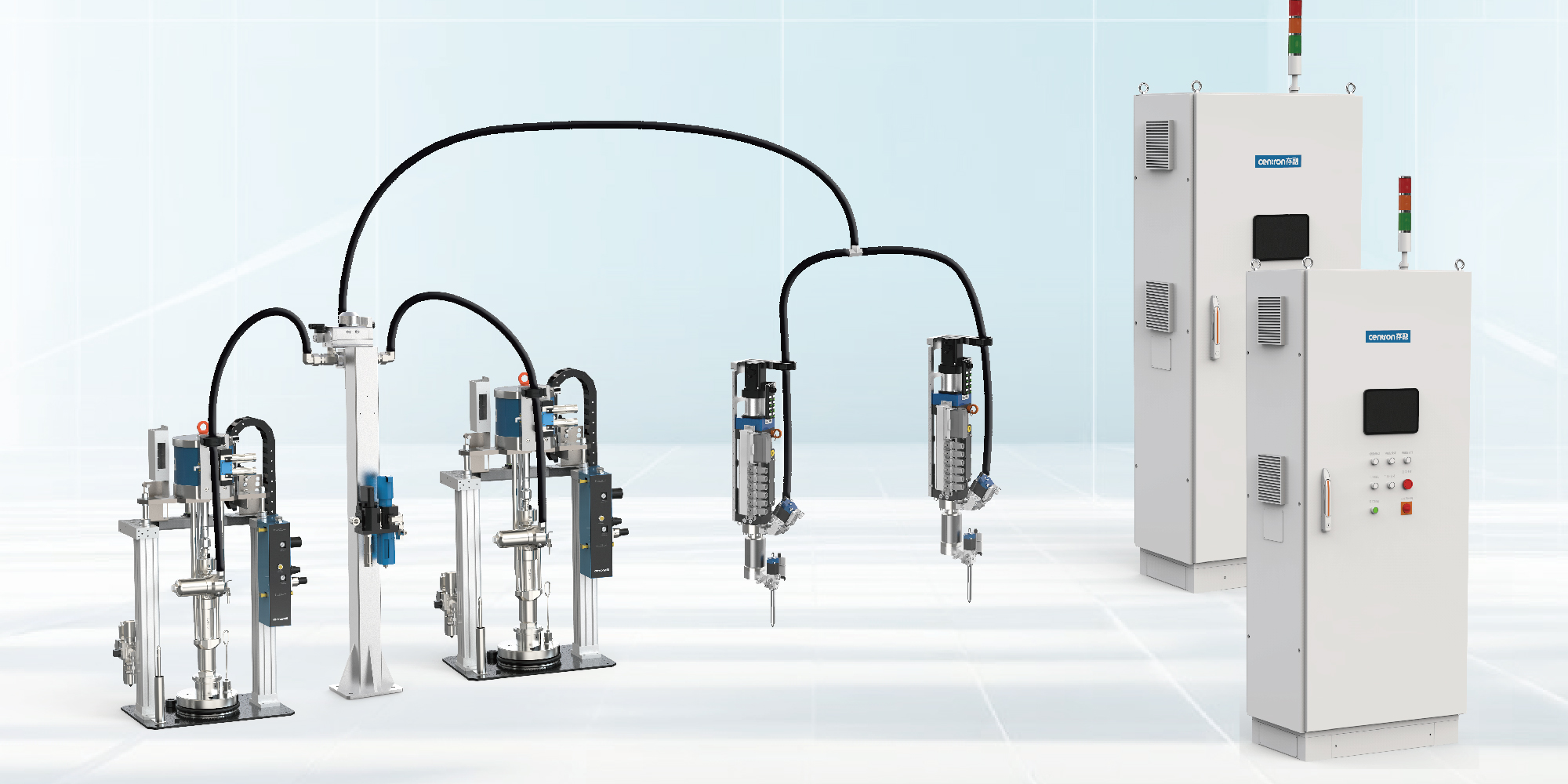
















As North American manufacturing shifts from the "cost-optimization" to "certainty-optimization," the industry faces a critical paradox: the influx of reshored capital versus a 600,000-worker skills deficit. This issue explores how Leetx empowers manufacturers to navigate the EV revolution and labor shortages through Process Democratization—transforming human experience into algorithmic precision to ensure that "Made in North America" remains a benchmark for reliability.
The Structural Rewrite of 2026
In March 2026, as the North American manufacturing exhibition season kicks off, we are witnessing more than a cyclical recovery; it is a structural rewrite. With the deepening of trade policies, "reshoring" has evolved from a slogan into a tangible reality.
For the past two decades, the core variable in manufacturing decisions was unit labor cost. Today, the decision variables are shifting to: supply chain disruption probability, the magnified cost of quality failure, compliance and traceability requirements, delivery certainty, and the scarcity of technical talent. The fundamental logic of North American manufacturing is pivoting: from "Low-Cost Optimization" to "High-Certainty Optimization."
According to the U.S. Bureau of Economic Analysis (BEA), new foreign direct investment in the U.S. reached $151 billion in 2024, with manufacturing leading all sectors at 44.9% ($67.7 billion) [1]. However, this capital influx meets a tightening reality:
- Manufacturing employment stands at approximately 12.7 million
- The average job vacancy rate is 4.2%
- Nearly one-quarter of manufacturers face vacancy rates exceeding 5%
- Approximately 960,000 production positions need to be filled annually [2][3]
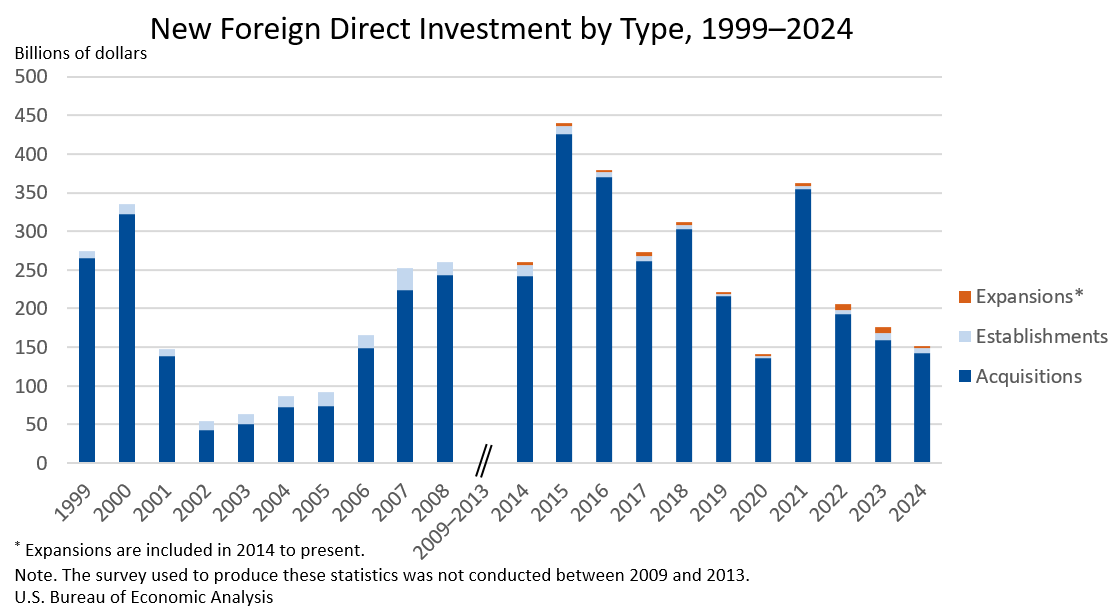
*Source: U.S. Bureau of Economic Analysis.
Capital is returning, but labor is tightening and skills are fracturing. This is the core contradiction of 2026. Manufacturing has entered a new functional model: Profit = (Capacity × Stability × Quality Consistency) − Uncertainty Costs. The industry is undergoing a "Precision Awakening" —where the core objective isn't automation itself, but rather: transforming unpredictable human variables into controllable process variables.
👥 "Technical Compensation": A Strategy for the Labor Gap
The U.S. manufacturing sector faces nearly 600,000 unfilled positions [3]. The real issue, however, is skill mismatch. As assembly complexity rises exponentially—driven by EV powertrains and high-stakes electronics—traditional manual experience is no longer sufficient. In this environment of "the convergence of a shrinking skilled labor pool and escalating precision requirements," we must find a way to transform "experience" into "algorithms." Through intelligent technology, quality no longer depends on the expertise of a few specialists—it is inherent in the system itself.
The Leetx Perspective: We believe that quality is optimized when technology empowers humans.
- People: We don't aim to replace workers; we focus on augmenting them. Our Positioning Error-Proofing System and Process Window Control (PWC) act as a "Digital Mentor," allowing less experienced operators to produce stable, high-quality results. This is the core philosophy of Leetx product design.
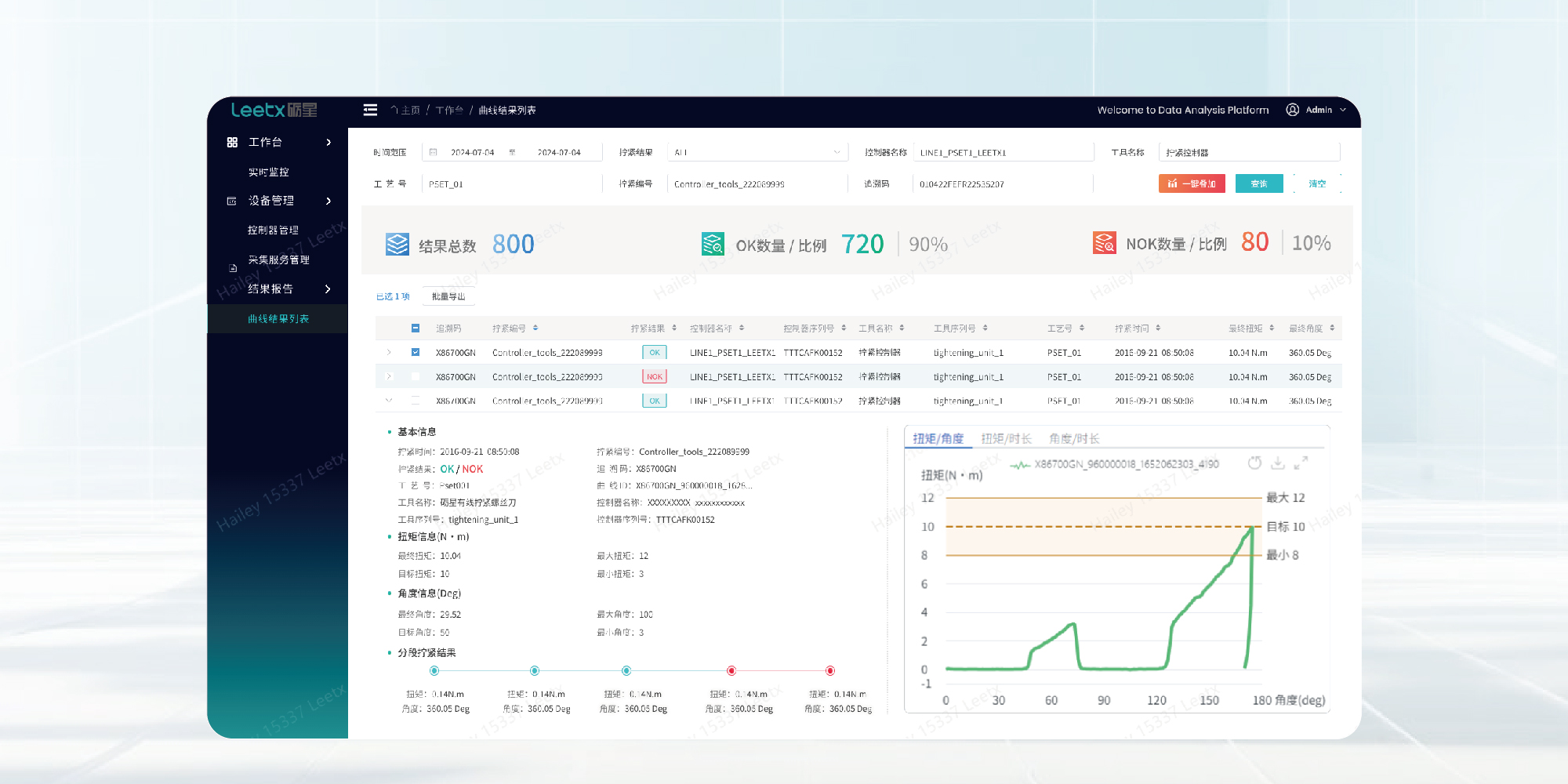
- Technology: Our Smart Assembly Analysis System records every data point, magnifies stability, and suppresses fluctuations. By documenting every press-fit (force-displacement curve inflection point recognition), tightening (torque-angle feature matching), and dispensing (bead width-height consistency monitoring), we create a "Digital Birth Certificate" for every product—enhancing data traceability and ensuring product consistency and data trust through automated, mechanized, data-driven manufacturing. Quality no longer comes solely from final inspection; it is built into the process.
⚙️ Manufacturing Pivot: The EV & High-Tech Revolution
The transition from internal combustion engines to electric vehicles is becoming the "litmus test" for new factories across North America. The U.S. Southeast has emerged as a global pioneer in EV integration [5], and in this transformation, assembly processes themselves are being fundamentally redefined.
Why? Because the logic of EV assembly has undergone a paradigm shift:
In high-volume EV powertrain and battery pack assembly, tolerance requirements have pushed beyond the limits of traditional tools—and the costly consequences of "rework" or "scrap" are unacceptable for any modern manufacturer.
🔍 Real-world critical process points:
- Battery pack connections: Torque deviation beyond ±3% can escalate contact resistance into thermal runaway risk—this isn't an assembly issue, it's a safety issue.
- Motor bearing press-fit: Interference deviation of 5 microns, or ram tilt of 0.1°, can degrade NVH performance or trigger catastrophic batch recalls—this isn't a precision issue, it's a survival issue.
- Battery housing sealing: Bead width fluctuation exceeding 0.5mm, or bubbles in the trajectory, can drop IP rating from IP67 to IP54—this isn't a cosmetic issue, it's a lifespan issue.
- High-voltage connectors: Screws not locked at precise angles and torque increase contact resistance—creating a latent thermal hotspot at 300A. This isn't a minor detail; it’s a precursor to thermal runaway.
🔧 Beyond Standalone Tools: Systemic Capability Is the New Baseline
When reshoring meets labor shortages, when new processes meet old experience, manufacturers don't need point solutions—they need system-level capabilities:
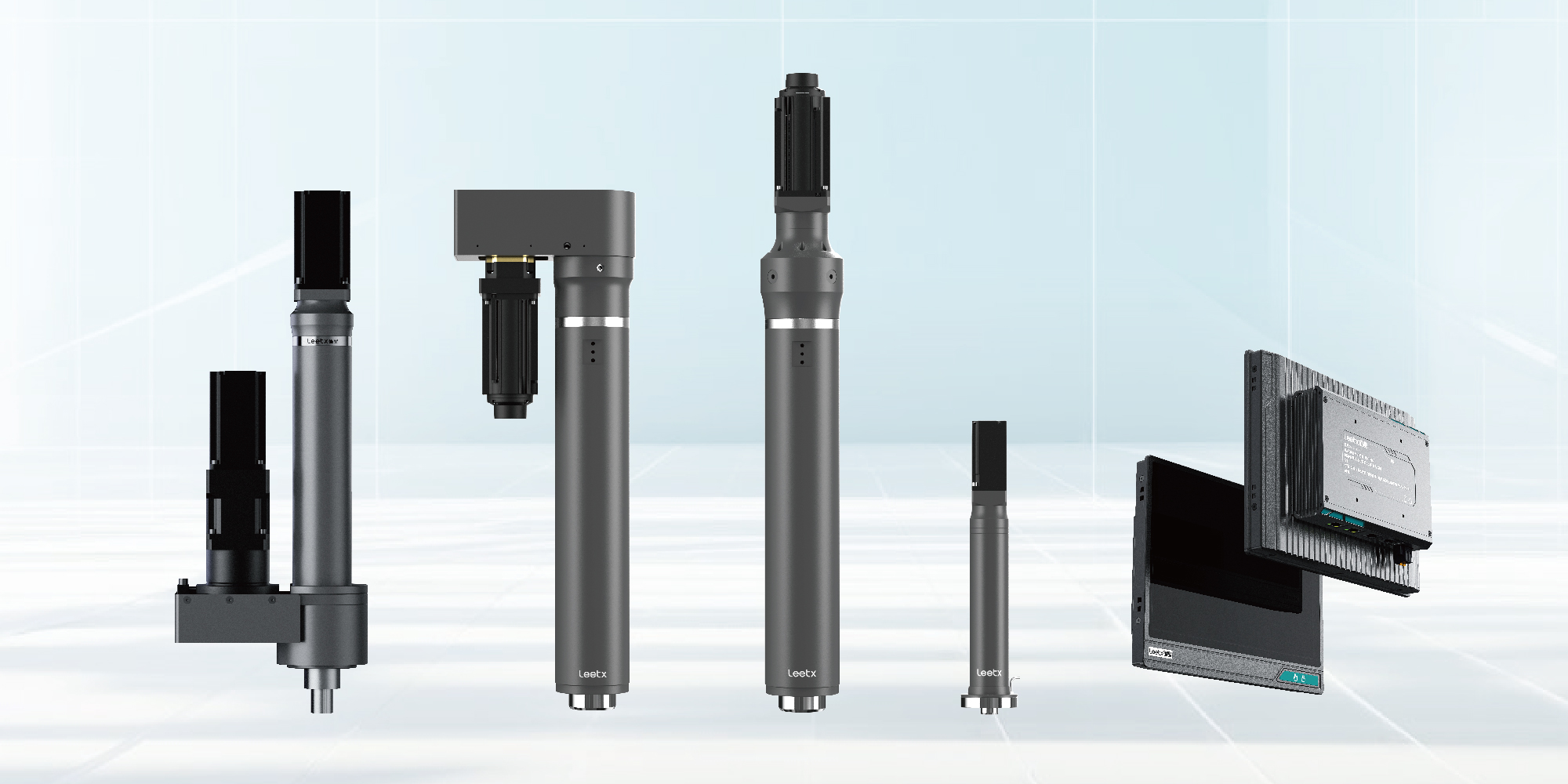
- Precision Press-Fitting: Rotor shaft-bearing interference controlled at micron level requires not just a press, but an integrated capability of force-displacement closed-loop control + full data traceability + process window alarming
- Multi-Axis Tightening: 100+ connection points in a battery pack require not just wrenches, but a system architecture of torque-angle dual monitoring + multi-spindle synchronization + 100% result traceability
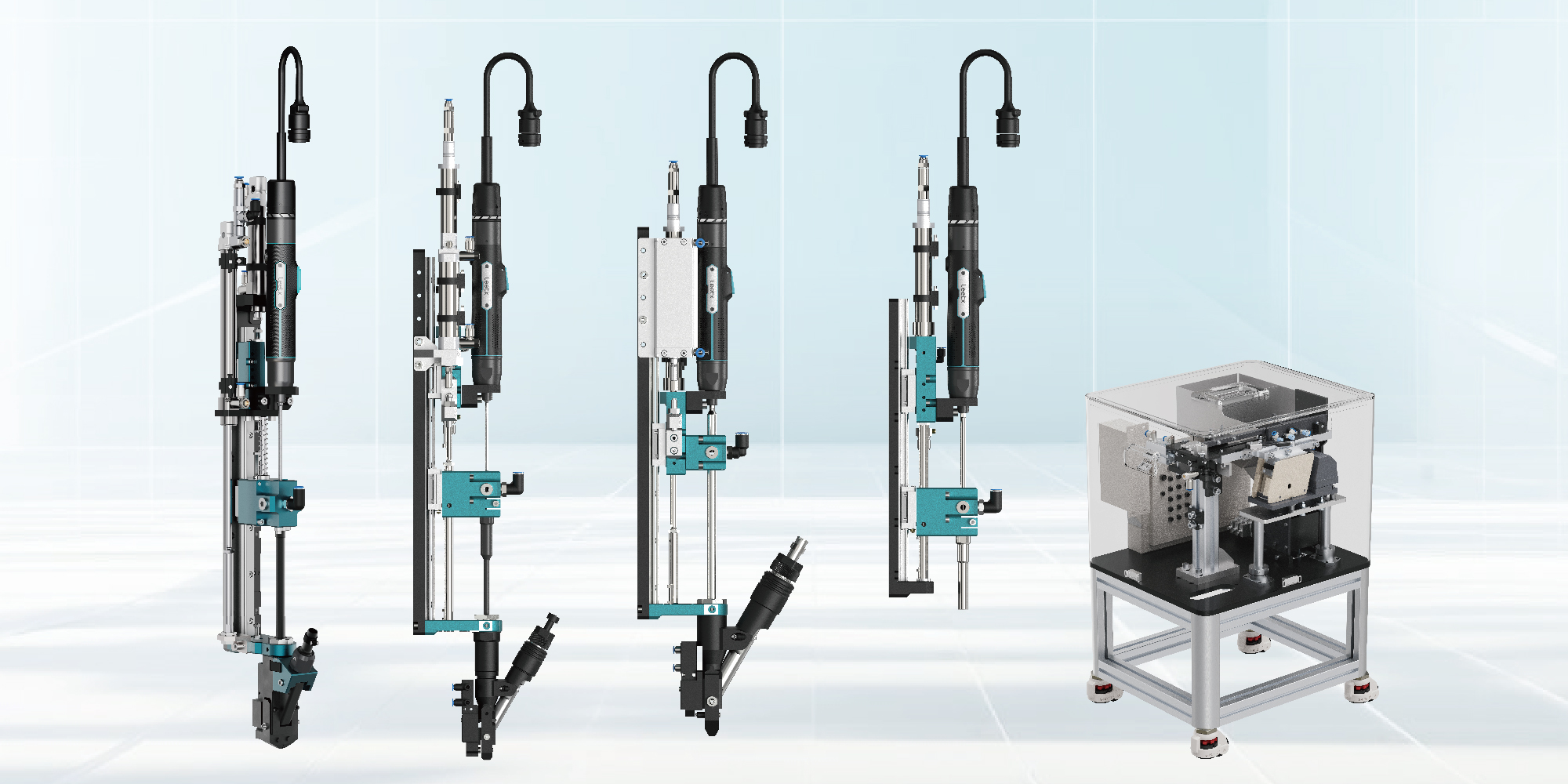
- Automatic Screw Feeding: Under cycle time pressure, manual feeding becomes the bottleneck—requires not just a feeder, but an integrated solution of error-proofed supply + vacuum pickup + depth counting
- Precision Dispensing: Motor housing IP rating requires not just a valve, but process assurance of ±3% metering accuracy + bead stability + material temperature closed-loop control
🎯 In the EV Era, Assembly Is No Longer "Assembly"
In the electric vehicle age, assembly is no longer "putting parts together." It is:
- The physical realization of electrical performance
- The last line of defense for thermal management systems
- The mechanical guarantee of safety redundancy
- The starting point of data traceability
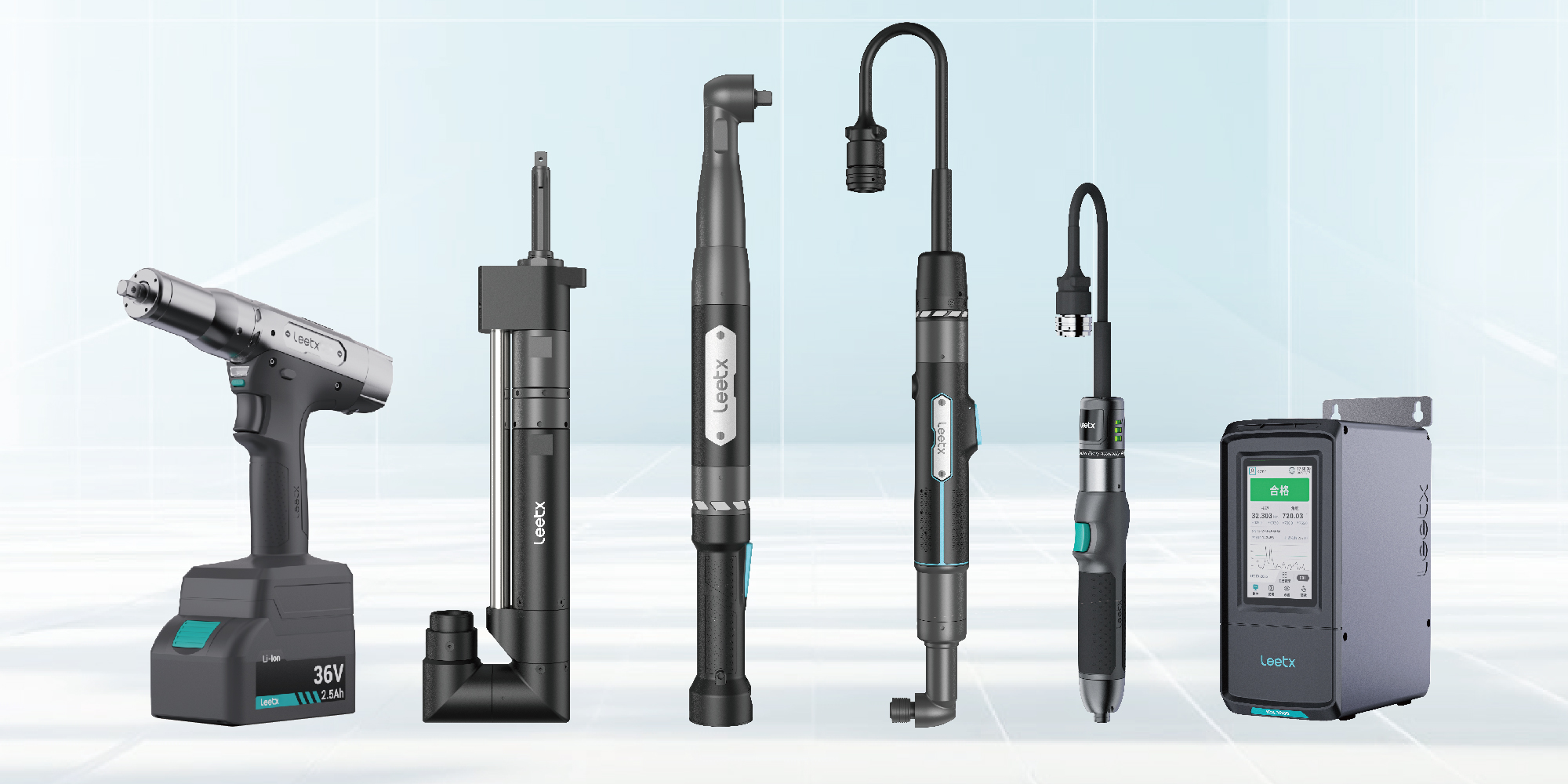
And this is precisely where the Leetx-Centron synergy delivers value. We don't just provide equipment—we deliver end-to-end process turnkey solutions: Servo Press + Transducerized Tightening + Automatic Screw Feeding + Precision Dispensing — these four process modules are no longer isolated nodes on an EV line. They are Interconnected into an ecosystem through a unified data architecture.
✨ Conclusion: What Are We Discussing in Nashville?
The 2026 manufacturing renaissance belongs to those with the highest "certainty" —built on a foundation of data and resilience.
If you are attending The Assembly Show South this March, we invite you to Booth 1037 in Nashville to discuss how these trends are redefining the standards of precision assembly:
- What is the biggest bottleneck on your line today?
- How are you ensuring quality with a revolving workforce?
- Is your system ready for 100% data traceability?
Leetx is not just an "equipment supplier" ; we are your strategic partner in understanding and overcoming North American manufacturing challenges. With R&D and manufacturing bases in Shanghai, Wuxi, and Shenzhen, and a global service network spanning Germany, Thailand, and beyond, we are ready to elevate your assembly capabilities.
References & Data Sources:
[1] U.S. Bureau of Economic Analysis (BEA): New Foreign Direct Investment in the United States, 2024 Report. [bea.gov]
[2] National Association of Manufacturers (NAM): 2024-2025 Manufacturing Workforce Survey & Economic Outlook. [nam.org]
[3] U.S. Bureau of Labor Statistics (BLS): Occupational Outlook Handbook: Production Occupations (2024-2034 Projections). [bls.gov]https://www.bls.gov/ooh/production/
[4] Amtec (Automotive Manufacturing Technical Education Collaborative): North American Manufacturing Workforce Benchmarking Report. [amtec.us.com]
[5] Association for Career and Technical Education (ACTE): 2025 Annual Report & Southeast Regional Market Analysis. [acteonline.org]