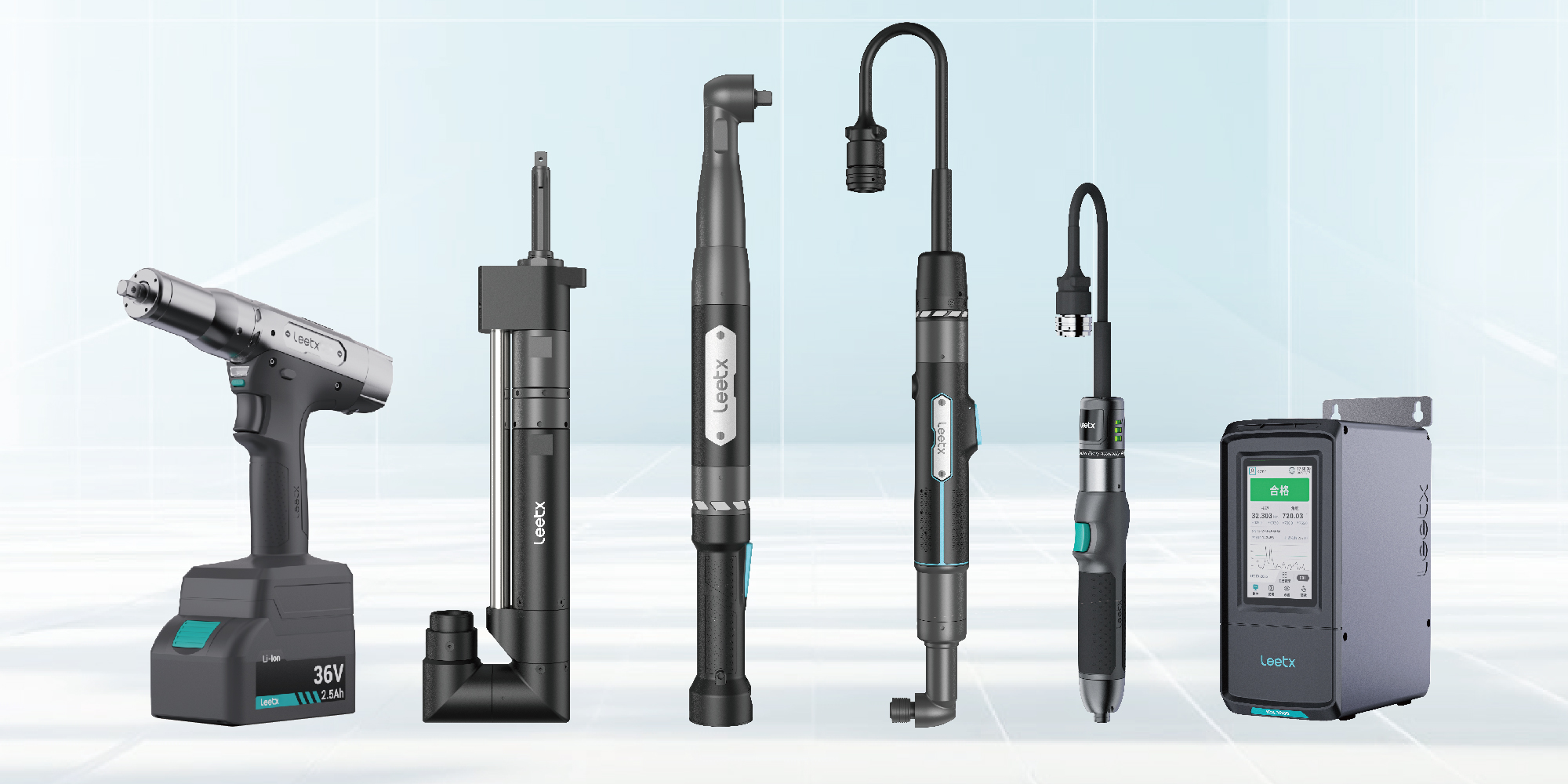
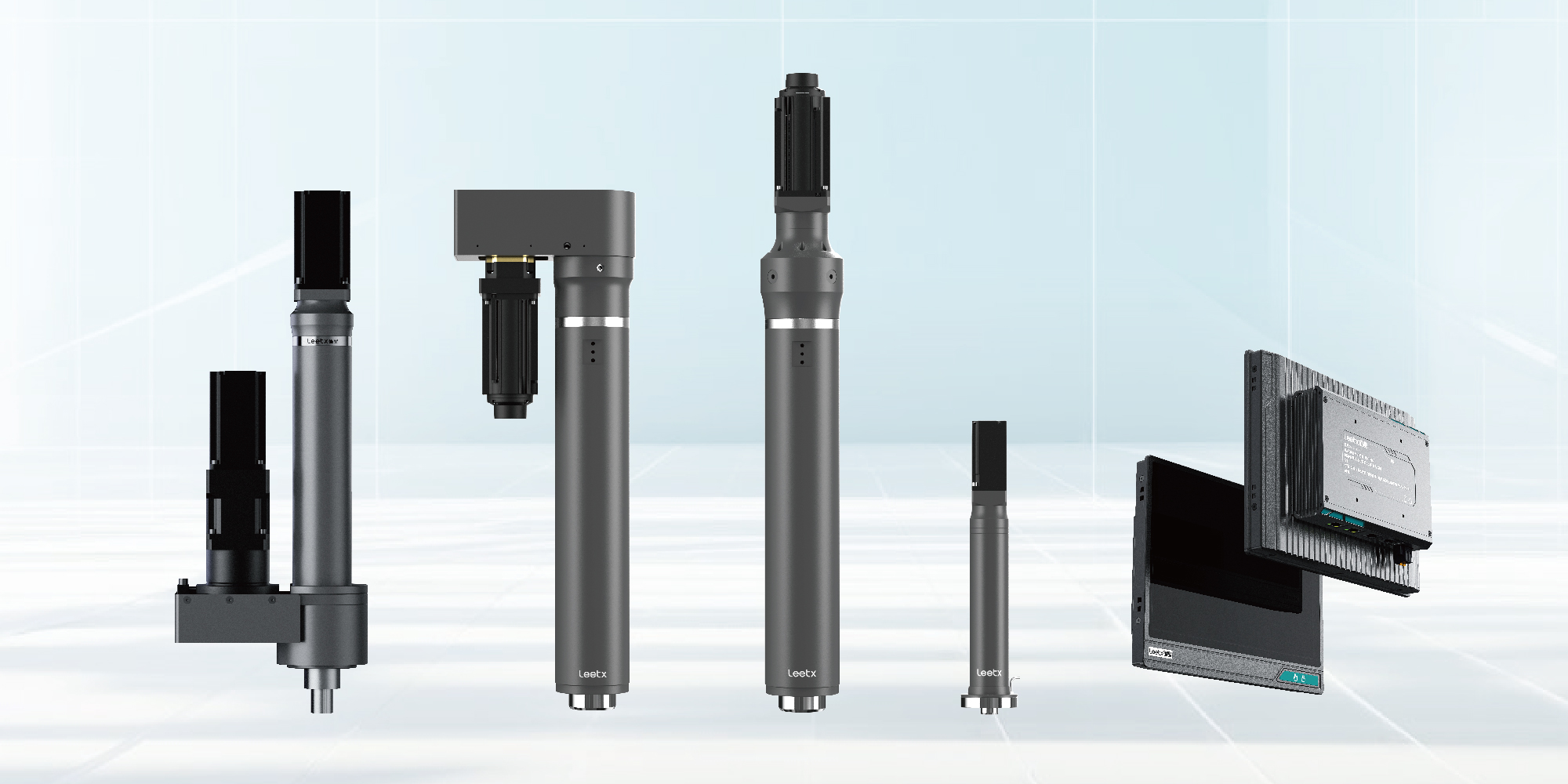
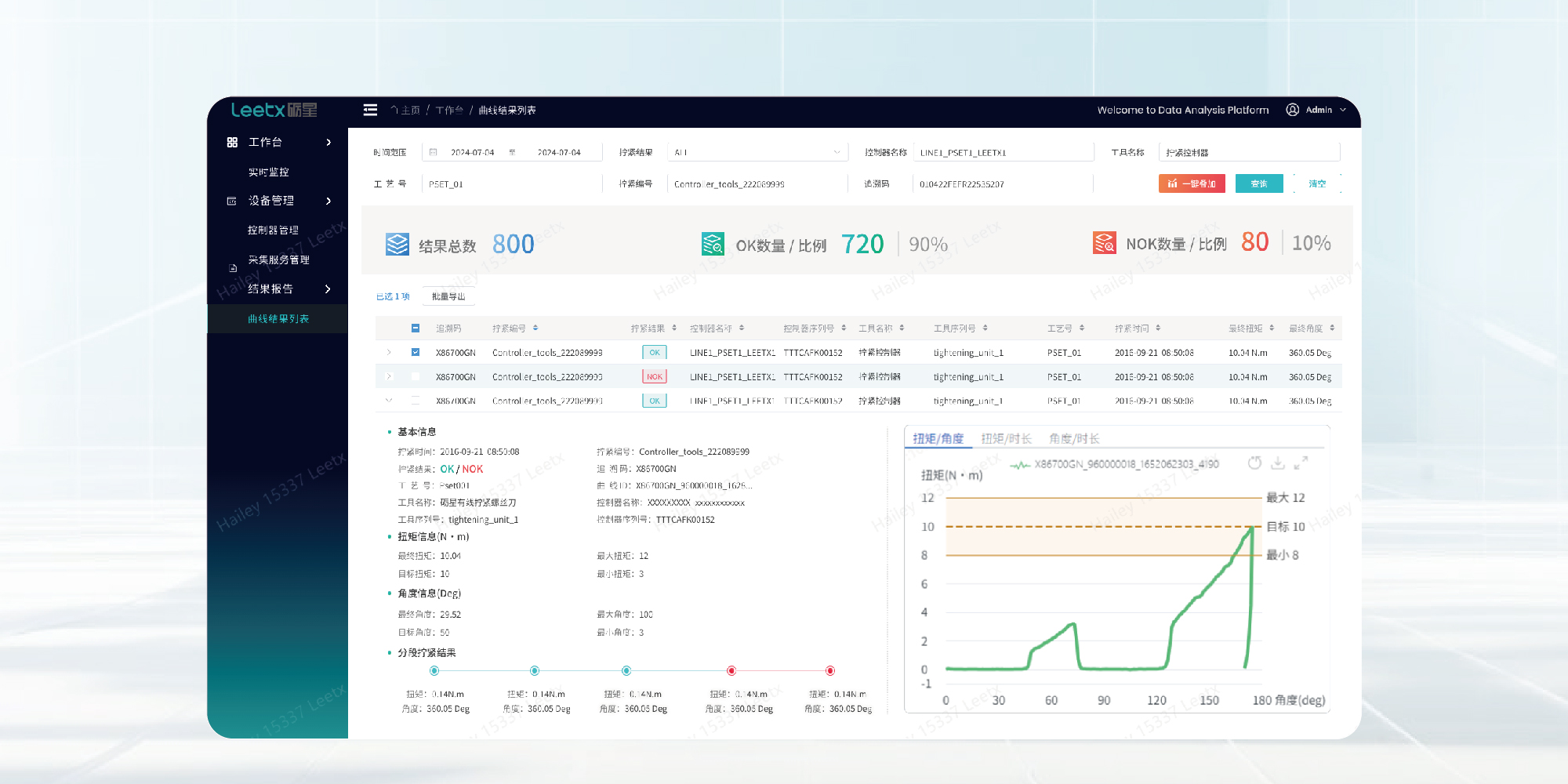
The most overlooked waste in manual assembly? The act of reaching for parts.
The most overlooked waste in manual assembly? The act of reaching for parts.
Walk any assembly floor, and you'll see it: operators spending as much time picking and placing fasteners as they do driving them. In Lean terms, that's pure waste—non-value-added motion that extends cycle times and increases ergonomic risk.
We've timed it. In typical manual stations, up to 30% of the cycle is consumed by part handling. Not assembly. Just handling.
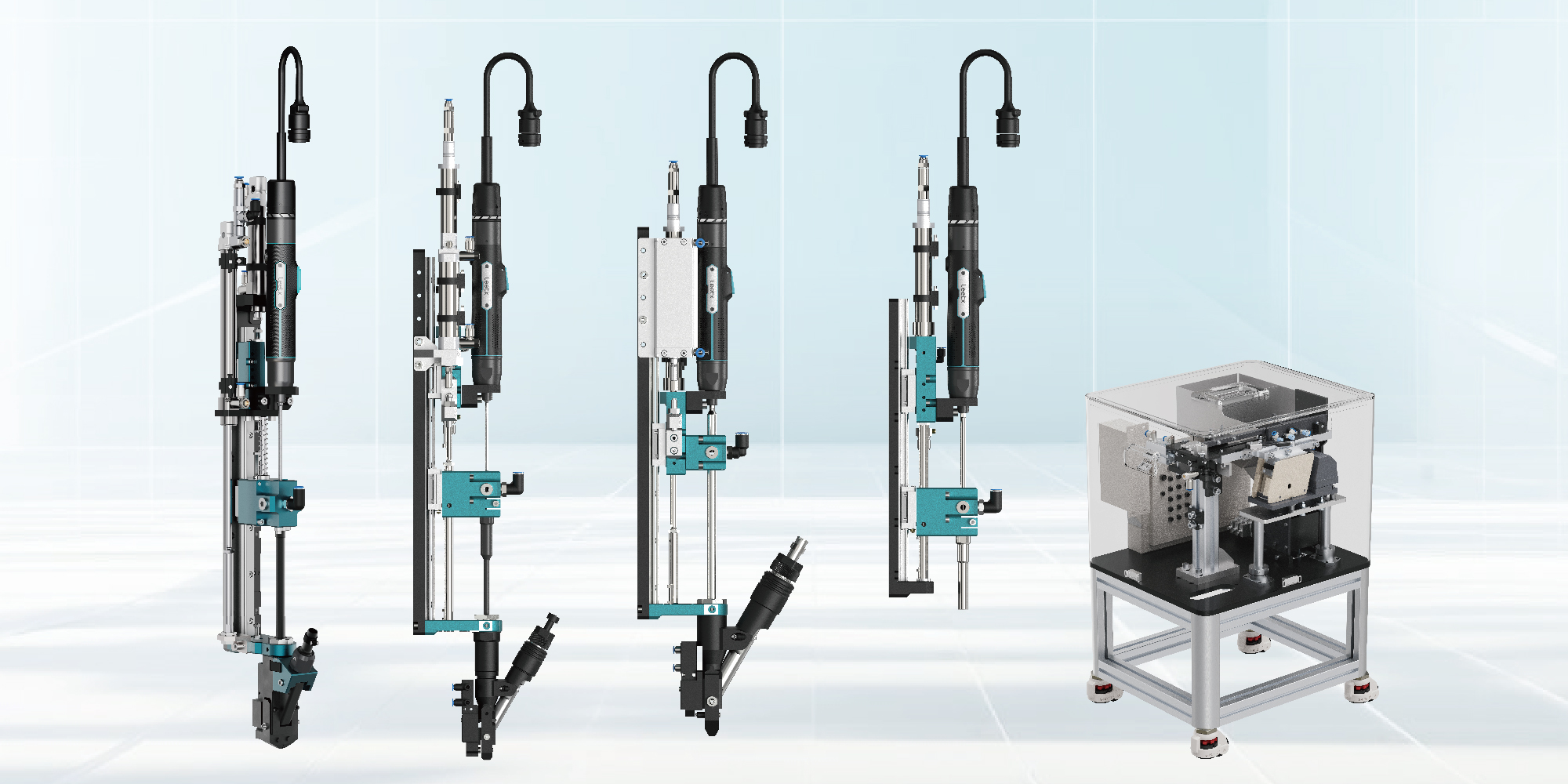
The most progressive manufacturers we work with are treating this as an opportunity. They're not replacing operators—they're removing the waste from their jobs. Automatic feeding delivers the fastener to the tool tip. The operator simply positions and tightens. Cycle times drop. Quality improves. And operators focus on the work that actually requires their skill.
It's hybrid automation: keeping human judgment where it matters, while automating the repetitive motion that machines handle better.
At MAX 2026, we're demonstrating how this approach is transforming manual stations across automotive, electronics, and industrial assembly.
Our website uses cookies which are necessary for running the website and for providing the services
you request. We would also like to set the following optional cookies on your device. You can change
these settings any time later by clicking "Change cookie settings" at the bottom of any page. For
more information, please read our Cookie information