
1) Industry and process context: why motor & e-control assembly relies heavily on tightening and feeding
In the NEV “three-electric” value chain, electric drive systems and electronic control systems represent high-end assembly scenarios where precision parts, dense fastening points, and high takt requirements coexist. In these applications, assembly stability and traceability are typically more critical. Leetx solutions are widely used in high-end manufacturing sectors including complete vehicles, automotive components, and NEV three-electric systems, supported by a portfolio built around critical assembly processes.
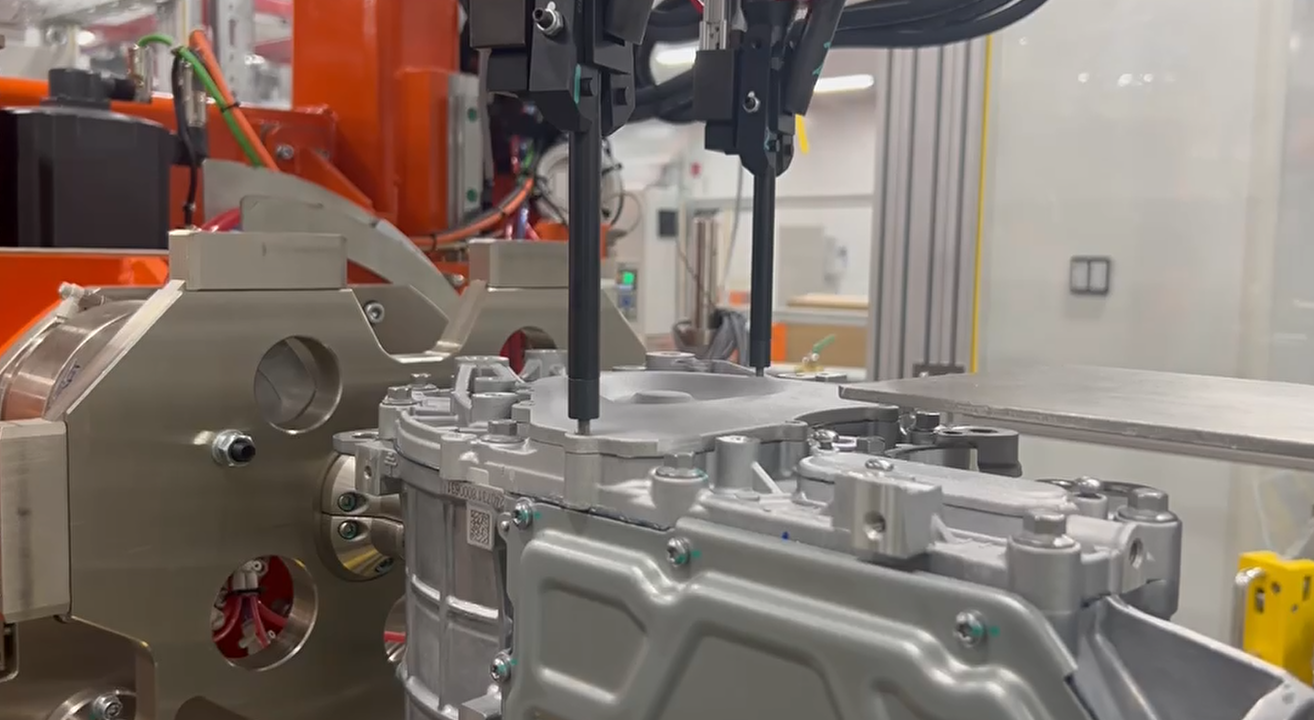
Across motor and e-control assemblies, bolts and screws are extensively used for housings, covers, structural parts, brackets, and various fixation joints. Any missing fastener, wrong fastener, or abnormal tightening result can trigger rework and quality risk. Therefore, manufacturers commonly prioritize:
Stable takt time by reducing non-value-added manual actions such as searching, picking, and aligning screws;
Consistent tightening quality sustained over long-run mass production;
Process traceability where critical joint records can be stored and analyzed for audits and closed-loop problem solving.
Leetx emphasizes full-process connectivity across assembly data acquisition, quality traceability, and process optimization, enabled by its self-developed intelligent analytics platform—aligning well with the “process-driven quality” expectations in motor and electronic control manufacturing.
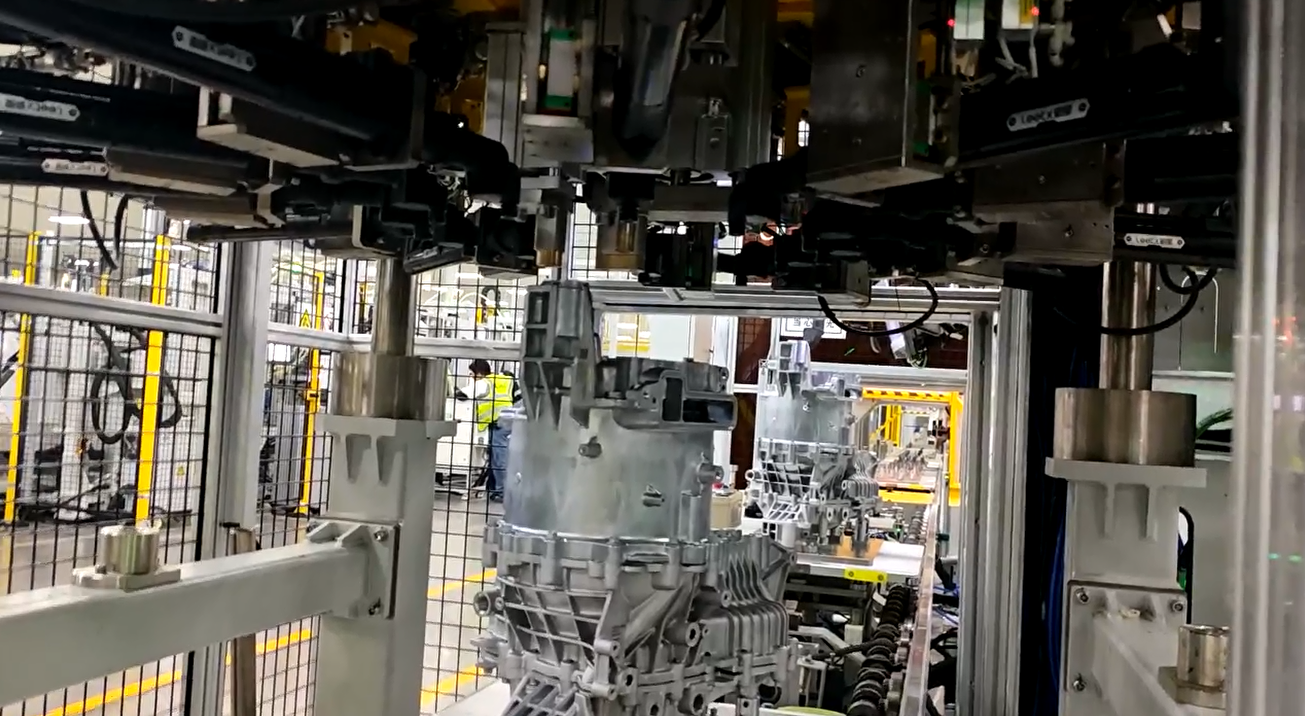
2) Typical stations and how Leetx is applied (tightening + feeding synergy)
A) Motor / e-drive related assemblies: multi-screw fastening for covers, housings, and structural parts (tightening-centric)
These stations often feature multiple fasteners per product, repetitive cycles, and strong requirements for consistency.
How Leetx is applied (tightening first):
Manual, semi-automatic, and fully automatic tightening solutions support different automation levels and phased deployment strategies—from manual stations to automated lines.
Customized tightening solutions with standardized project delivery: Leetx engineering executes standardized, full-process project management from early planning through on-site implementation and final delivery, providing integrated and highly stable tightening and assembly solutions.
B) E-control assemblies (controllers / electronic control systems): high-frequency small screws (feeding impact is highest)
E-control products typically involve small screws, multiple variants, and high quantities. Manual handling introduces takt instability and increases the risk of wrong/missing screws.
How Leetx is applied (feeding + tightening integration):
Automatic screw feeding to reduce non-value-added work: screw delivery and presentation are systematized to improve takt stability and reduce human variability. Leetx provides an automatic screw feeding product line.
Modular tightening and pick-up concepts for different fixtures and space constraints: module options include standard tightening modules, inner/outer drive vacuum tightening modules, Pick & Place tightening modules, and quick-change vacuum Pick & Place modules—selectable based on interference conditions, posture, and tooling layout.
Configurable feeders and accessories to stabilize feeding: solutions may combine bowl feeders, step feeders, hoppers, and accessories such as distributors, cleaners, Pick & Place screw presenters, and screw brakes. Final selection is recommended to be validated through feedability analysis based on screw characteristics and fixture constraints.

