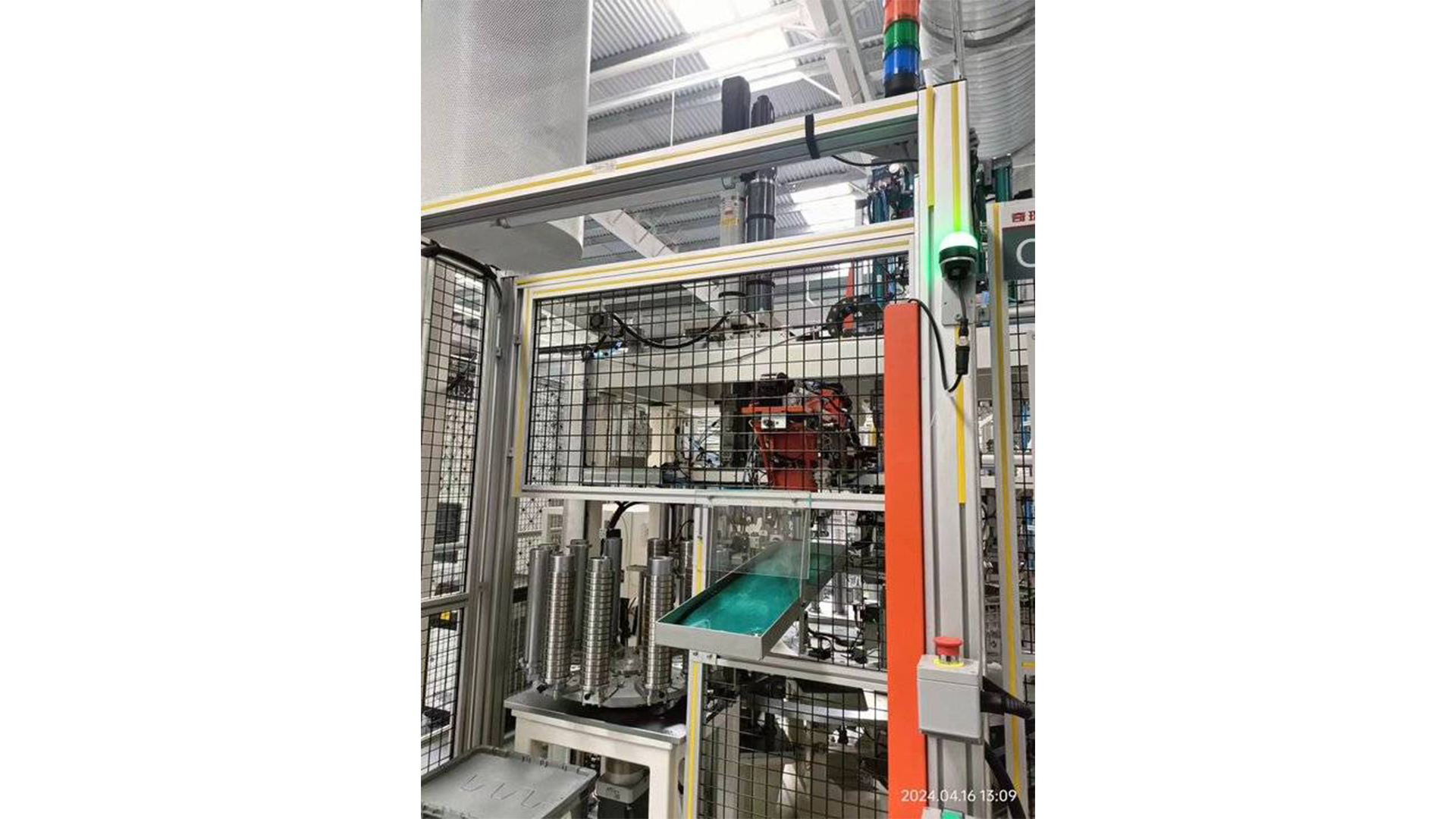
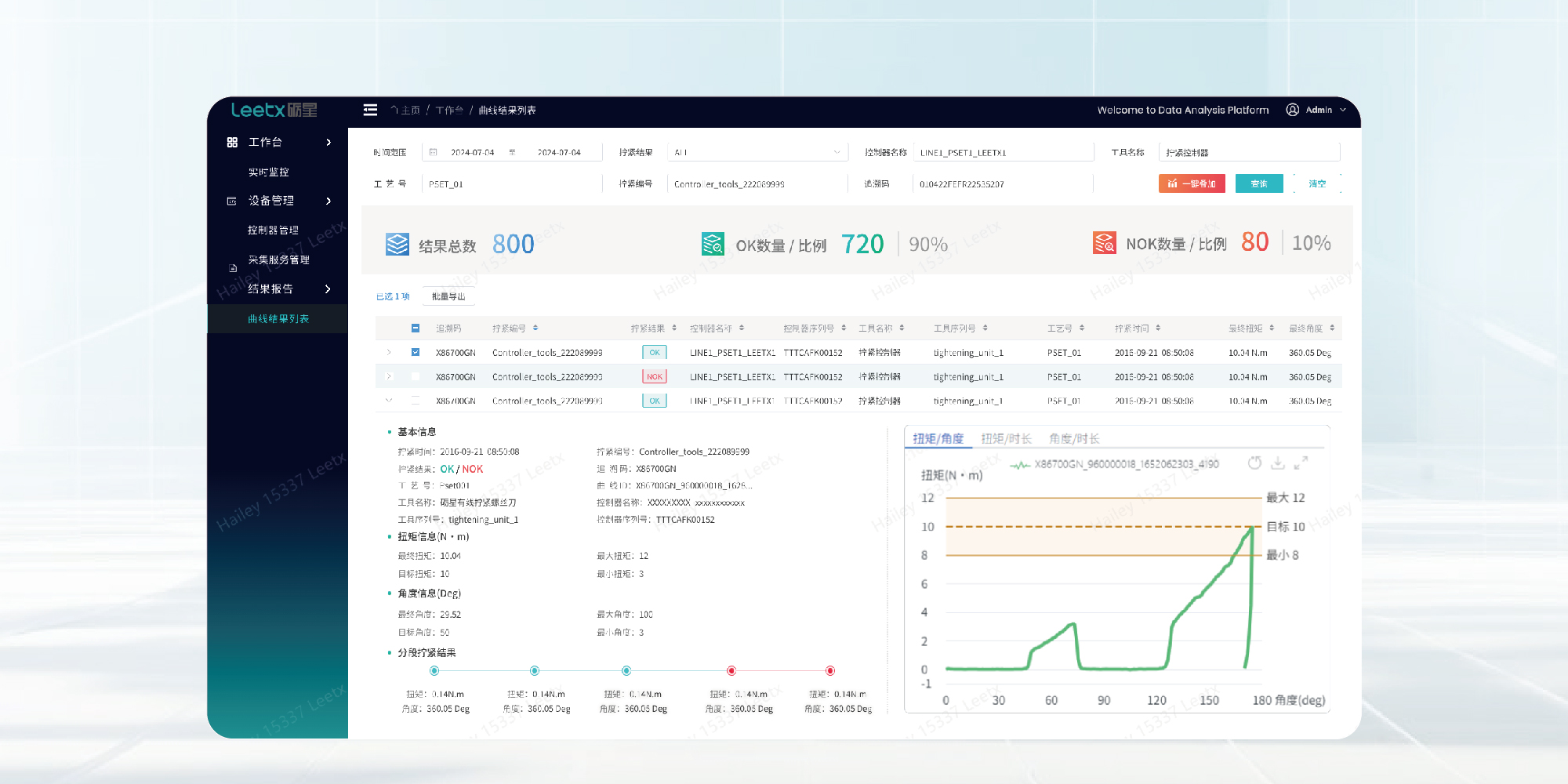
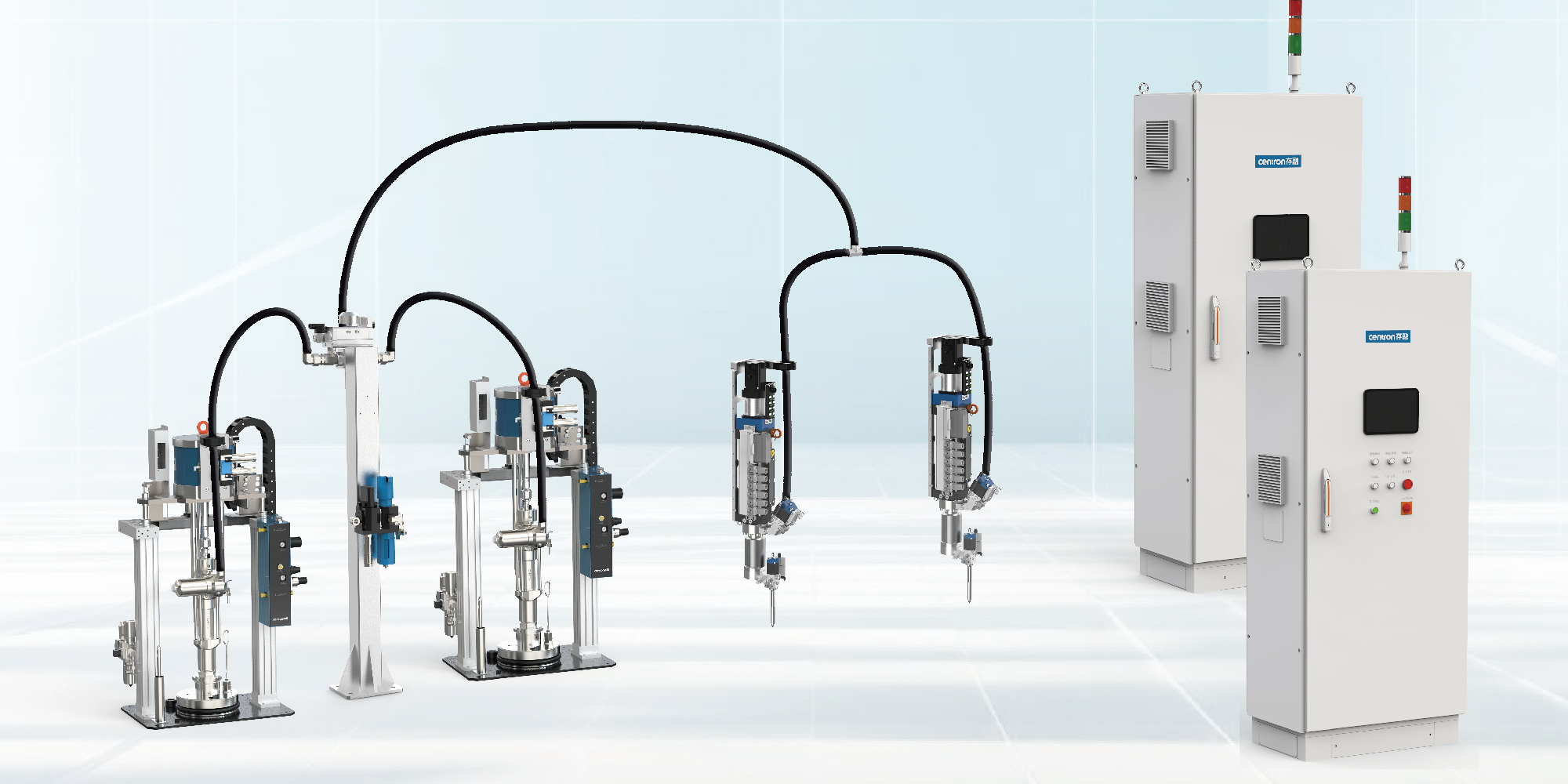
Against the backdrop of China's rail transit advancing toward higher speeds, heavier loads, and urban network expansion, the manufacturing of EMUs, metro trains, maglev systems, and intercity rolling stock faces the highest safety standards, extended service life, and harsh operating conditions. Critical assembly processes across bogies, car bodies, traction systems, and braking systems demand extremely high levels of large-torque tightening consistency, precision press-fitting accuracy, and full data traceability. Conventional methods can no longer meet the stringent requirements for million-kilometer safe operation and full-lifecycle management.
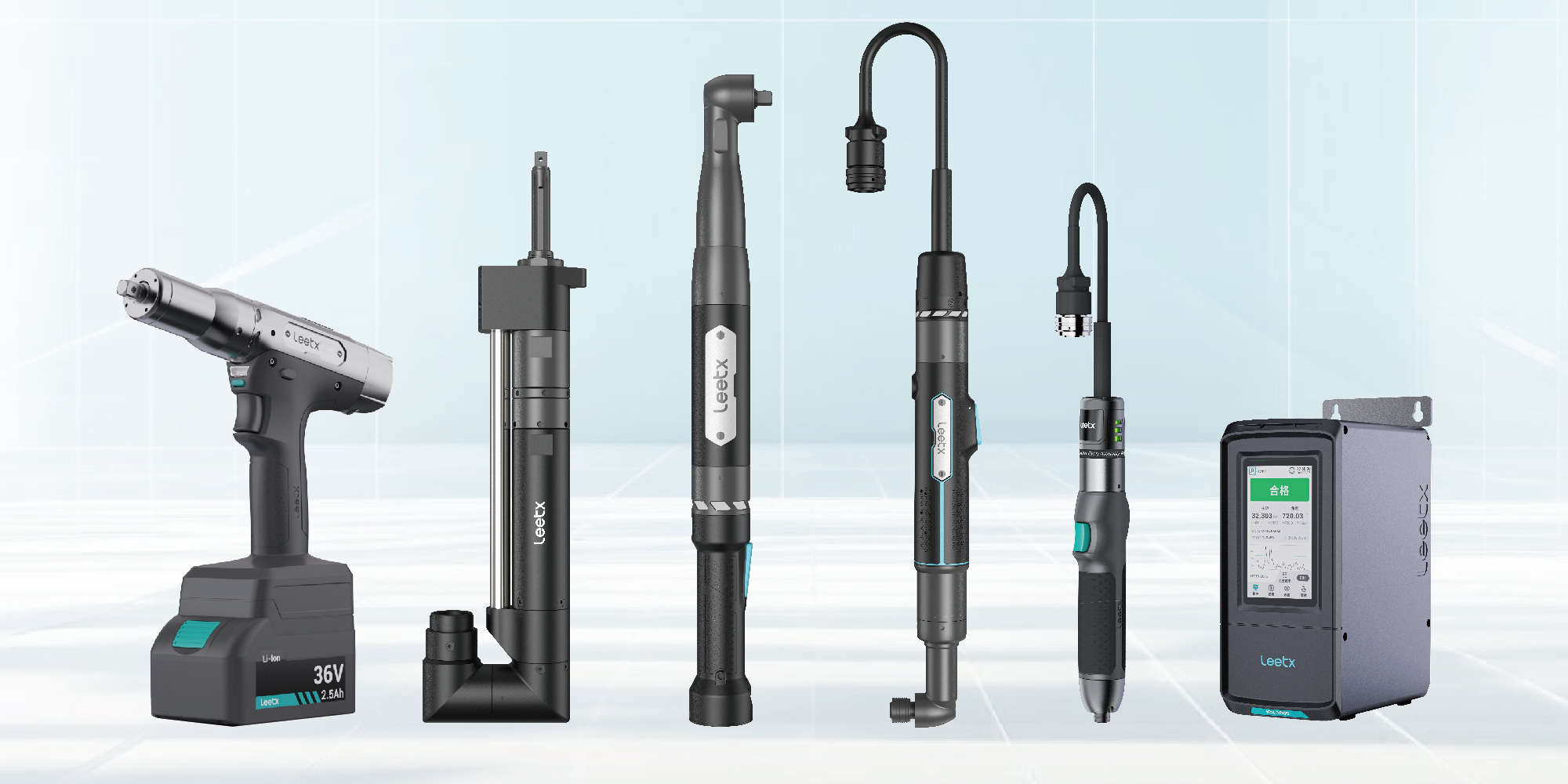
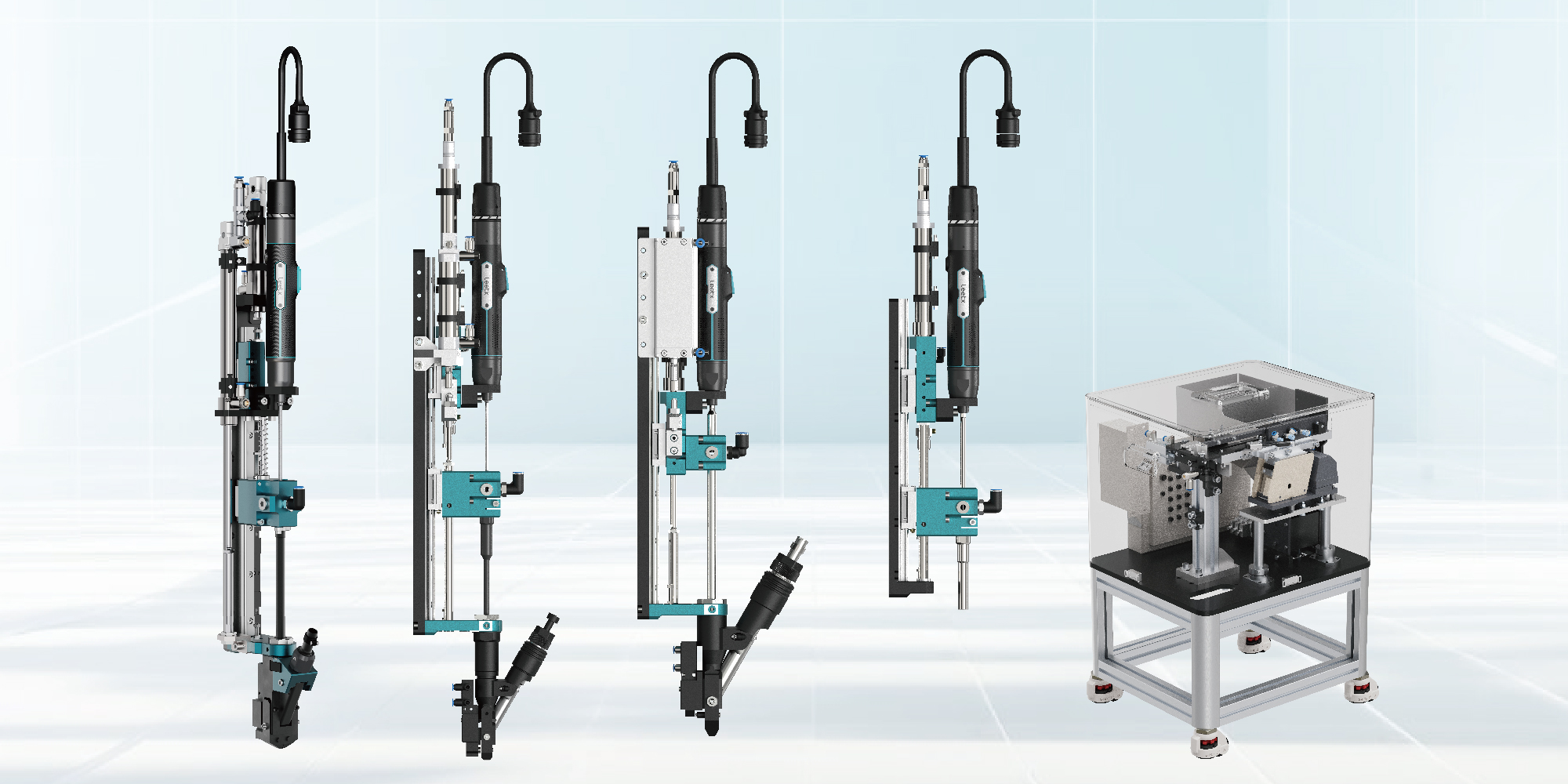
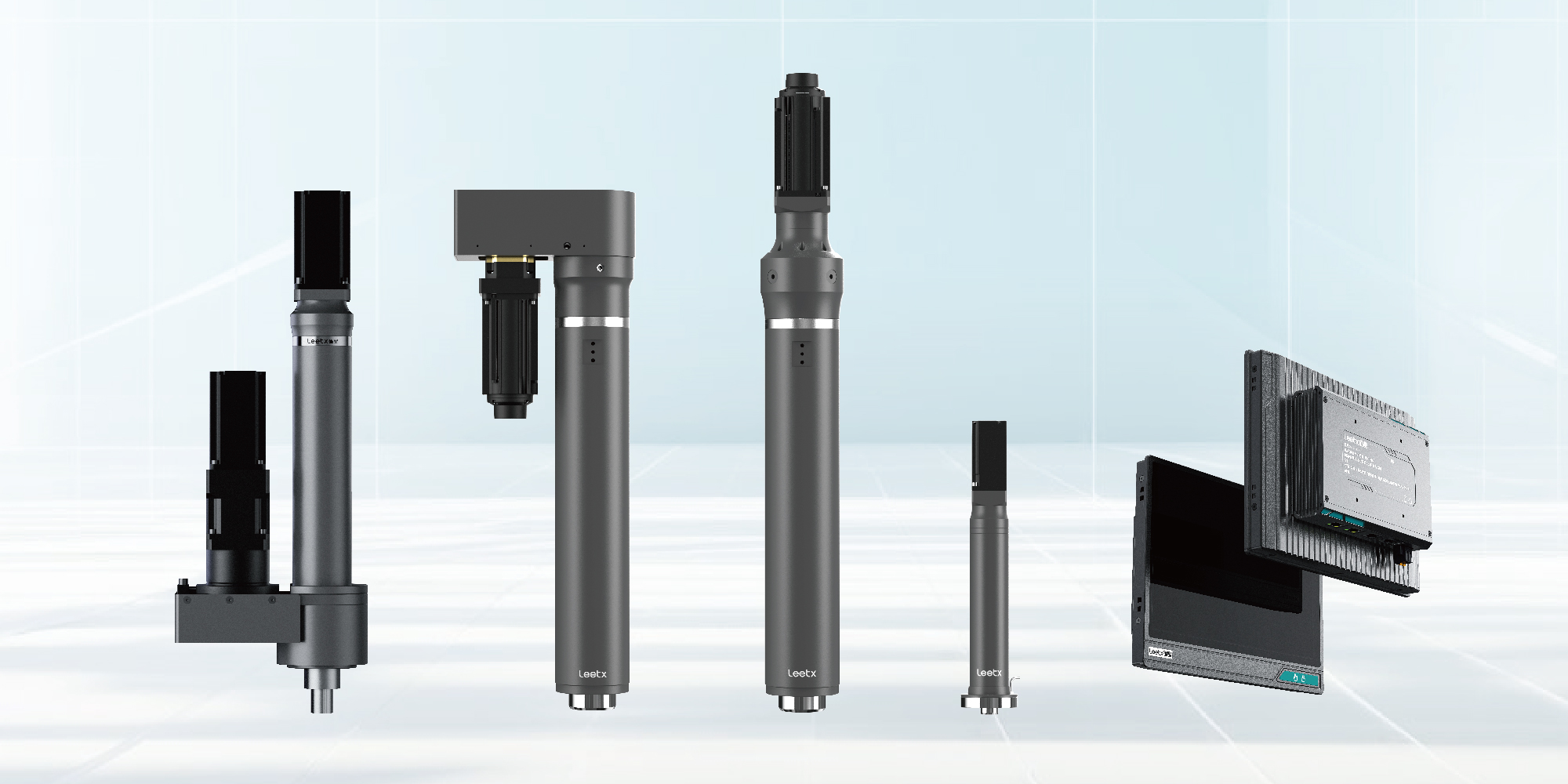
Leveraging high-precision, high-consistency, flexible, and intelligent product advantages across three core business lines — servo press-fitting, intelligent tightening, and automatic feeding — Lixing delivers one-stop assembly solutions from standalone equipment to fully integrated lines for the rail transit industry. Our solutions are widely applied in axle bearing press-fitting, wheel press-fitting, gearbox bearing press-fitting, damper press-fitting, bogie frame structural bolts, wheel-to-axle lock bolts, traction motor bolts, brake disc bolts, car body connection bolts, and other critical tightening processes, as well as automated feeding of screws, pins, and circlips. Covering key assembly processes across bogies, car bodies, traction, and braking systems, we help rail transit OEMs achieve high-safety, high-quality assembly — significantly enhancing rolling stock reliability and consistency while driving rail transit manufacturing toward intelligent, digital, high-quality development.
The press-fitting process for high-speed rail guide copper foil places high demands on equipment stability, press-fitting accuracy and process consistency. Copper foil is soft, thin and easily deformed, and it is sensitive to assembly position and contact quality. Force, displacement, speed and force-holding time must be precisely controlled to avoid indentation, wrinkling, offset or poor electrical conductivity.
Lösung erhalten
Hinterlassen Sie Ihre Kontaktinformationen, um die relevante Lösung sofort zu erhalten
Lösung erhalten
Hinterlassen Sie Ihre Kontaktinformationen, um die relevante Lösung sofort zu erhalten
Bitte vervollständigen Sie die Sicherheitsüberprüfung
Cookie-Einstellungen
Unsere Website verwendet Cookies, die für den Betrieb der Website und für die Bereitstellung der von Ihnen
angeforderten Dienste notwendig sind. Wir möchten auch die folgenden optionalen Cookies auf Ihrem Gerät setzen.
Sie können diese Einstellungen jederzeit später ändern, indem Sie auf "Cookie-Einstellungen ändern" am unteren
Ende einer beliebigen Seite klicken. Für mehr Informationen lesen Sie bitte unsere Cookie-Informationen