
















How to Choose an Industrial Tightening System for Your Assembly Line
In industrial assembly, a tightening system consists of the tool, the controller and the data connection, which determine joint quality, station cycle time and process traceability respectively. The three have to be selected as one system; comparing any one of them on specifications alone usually shows a mismatch only after production starts.
Selection centres on three judgements: the control method for each joint, how the tool is positioned, and the data requirements of the quality plan.
This article works through those three judgements in six steps, outlines the selection logic for an industrial tightening system, and shows where Leetx tightening solutions fit in practice, to help engineers and buyers reach a sounder configuration decision.
Key Takeaways
- Define the joint before the tool. Torque is a process variable, not clamp force; hard or soft joint behaviour decides the control strategy.
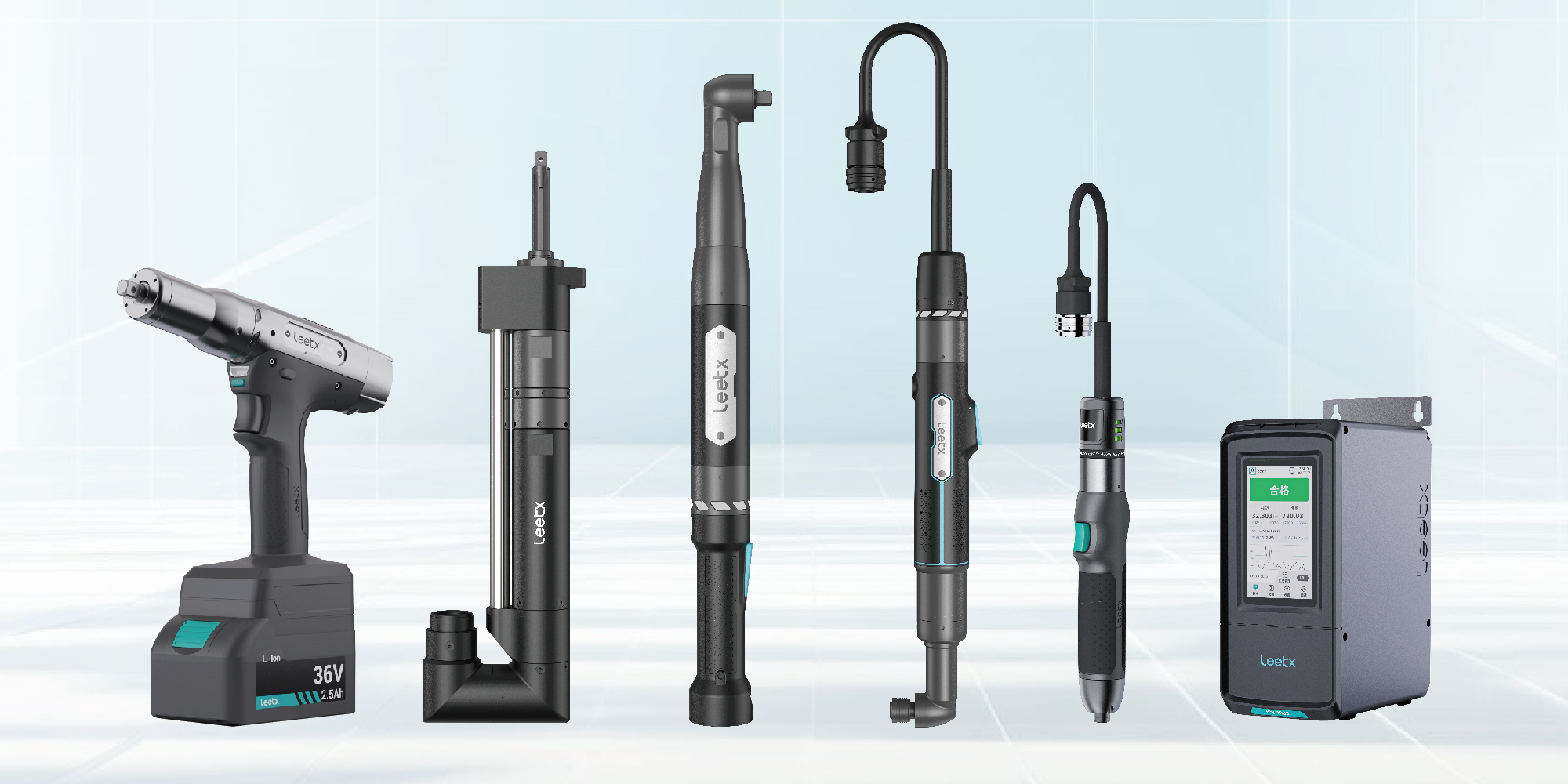
- Tool format follows who positions the tool. Corded tools with the TCS.2000 at fixed stations, EWP/EWA cordless tools with the WCS.2000 for mobile work, EFS spindles in master-slave groups of up to 20 for automated stations.
- The data level drives most of the cost difference. Station result, stored records and cross-station traceability are three levels on the same controller and can be extended later.
- Decisions come from trials, not catalogues. Validate the program and tool access on the actual joints, with parts from the tolerance extremes.
- Compare the cost of the task, not the price of the tool. Tool, controller, fixtures, programming, data connections and operating cost belong in one figure.
1. Define What the Joint Requires
Tightening torque is the process variable used to assemble the joint. The clamp force that holds the parts together also depends on the fastener and on friction at the threads and under the head. NASA's Fastener Design Manual discusses these relationships and the effect of coatings and lubrication on torque selection. A torque result is not a direct measurement of clamp load.
Two inputs decide most of what follows:
- The approved tightening specification per joint: target torque, tolerance, and any angle or seating requirement.
- Joint behaviour: a hard joint, typically metal to metal, develops torque within a fraction of a turn after seating; a soft joint, with a gasket, a long bolt or compressible layers, needs more rotation to build the same torque.
A joint table listing torque, tolerance, hardness and access per fastener is the basis for sizing the controller, tool and program. It should exist before any hardware is compared.
Leetx Tip: Ask for the joint list before the tool list. One page of joint data settles more selection questions than any product comparison, and it is the first document an application engineer needs to size a configuration.
2. Choose the Control Strategy for the Joint
A transducerized system measures torque during the operation and can measure angle alongside it. The control strategy is what the controller does with those measurements, and it should follow the joint.
Leetx transducerized tools support control strategies based on torque, angle, seating point and torque slope. The TCS.2000 controller applies them in the three forms most assembly lines need:
Torque control with angle monitoring. The program stops at a torque endpoint and checks that the rotation needed to reach it fell within a window. Unexpected travel indicates a missing washer, a cross-thread or a damaged thread. The window is defined for the event it is meant to catch: counting from rundown start covers a different part of the operation from counting after a threshold torque.
Seating-torque detection. Where appreciable resistance exists before the parts seat, the controller identifies the seating point and uses it as the reference for the final stage. Re-hit detection recognizes a tool applied to an already-tightened fastener, so a second tightening is not recorded as a first.
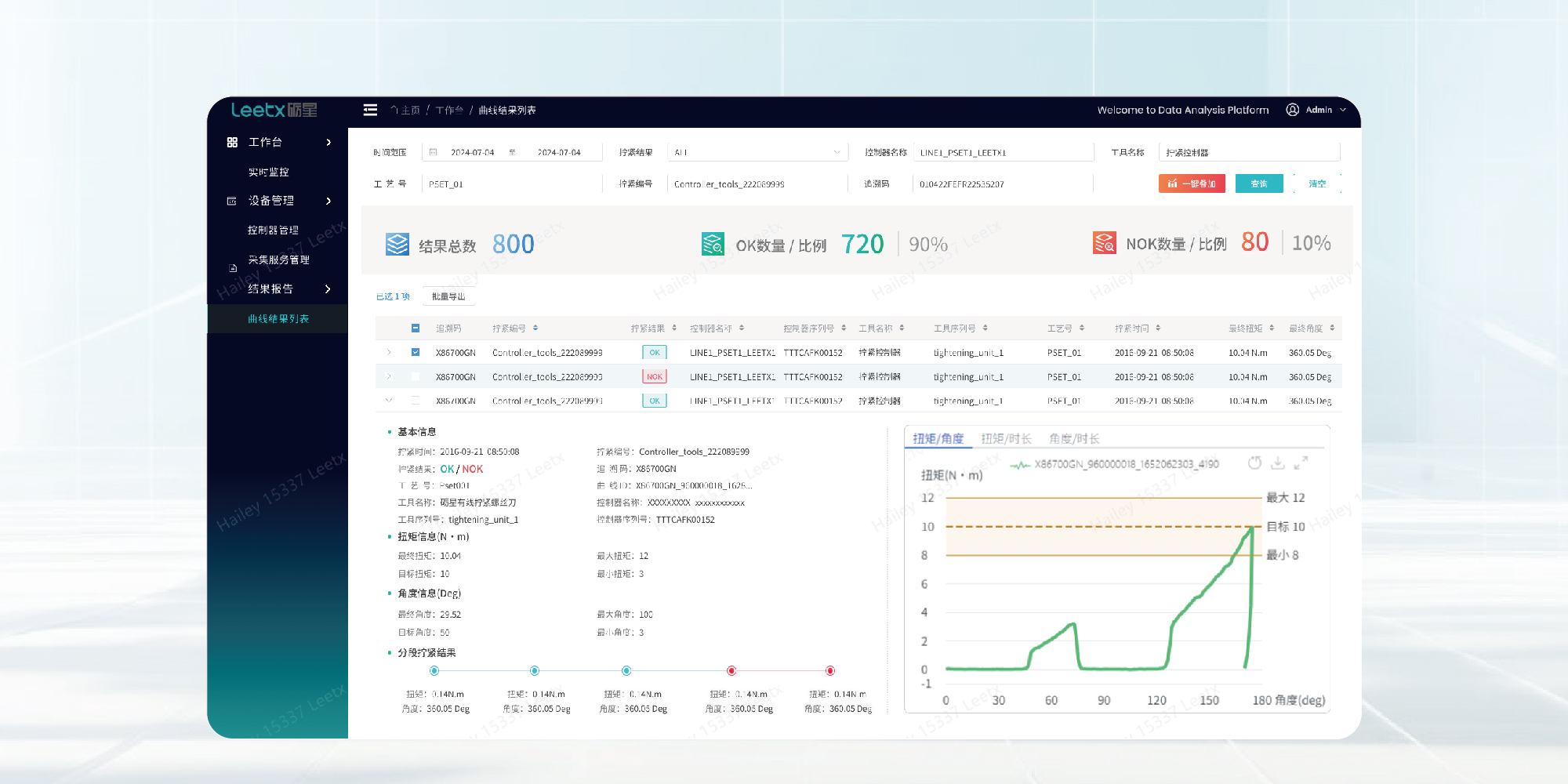
Staged tightening. Rundown moves the fastener to seating; the final stage establishes the specified condition. The TCS.2000 stores up to 200 programs of 25 steps each and generates the tightening curve step by step, so each stage is judged on its own segment and the operator sees the reason a cycle terminated.
Two joints sharing a torque target can behave differently enough to need different programs. The strategy is confirmed on representative parts, not from the torque value alone.

3. Select the Tool Format From Who Positions the Tool
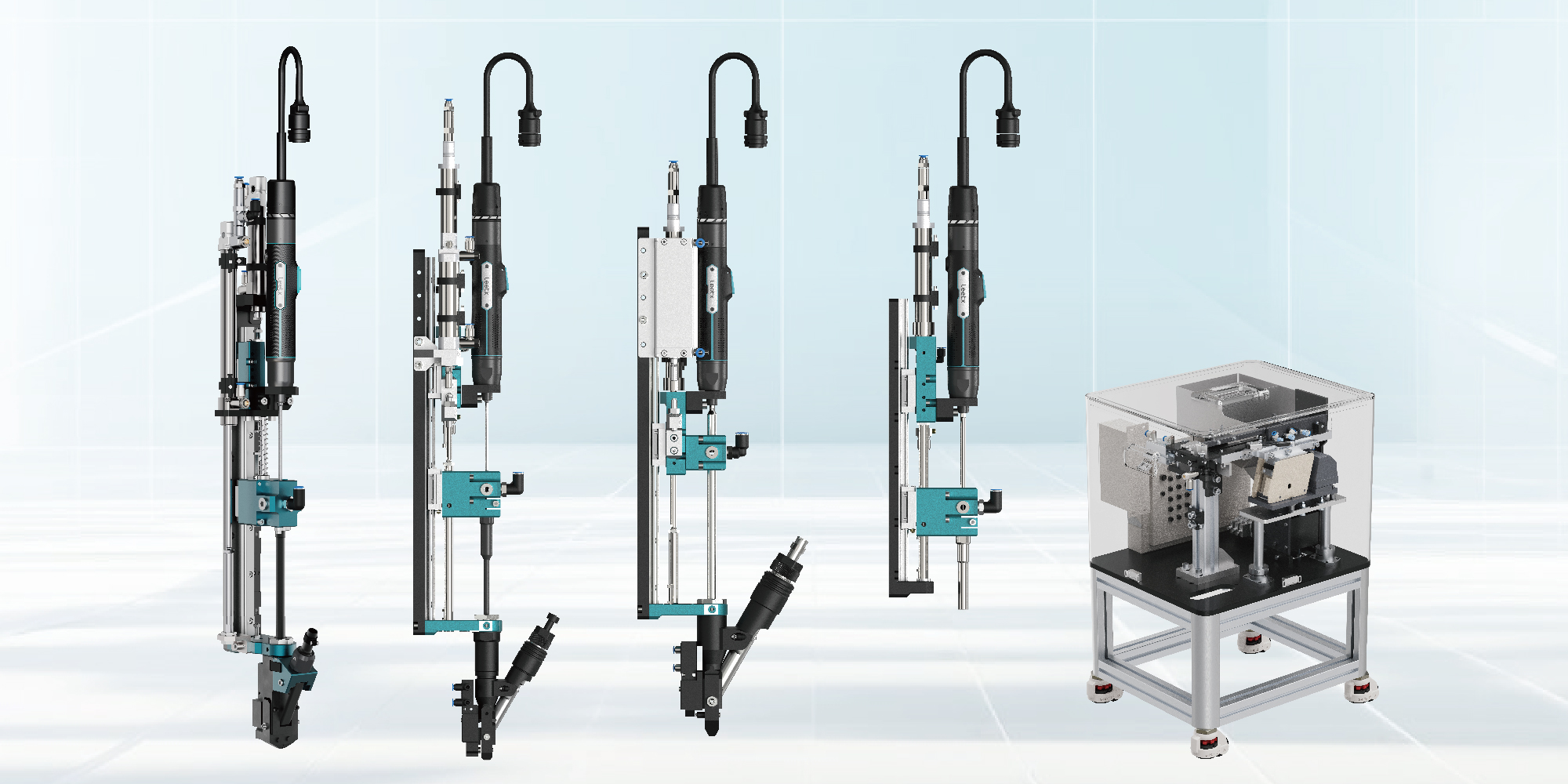
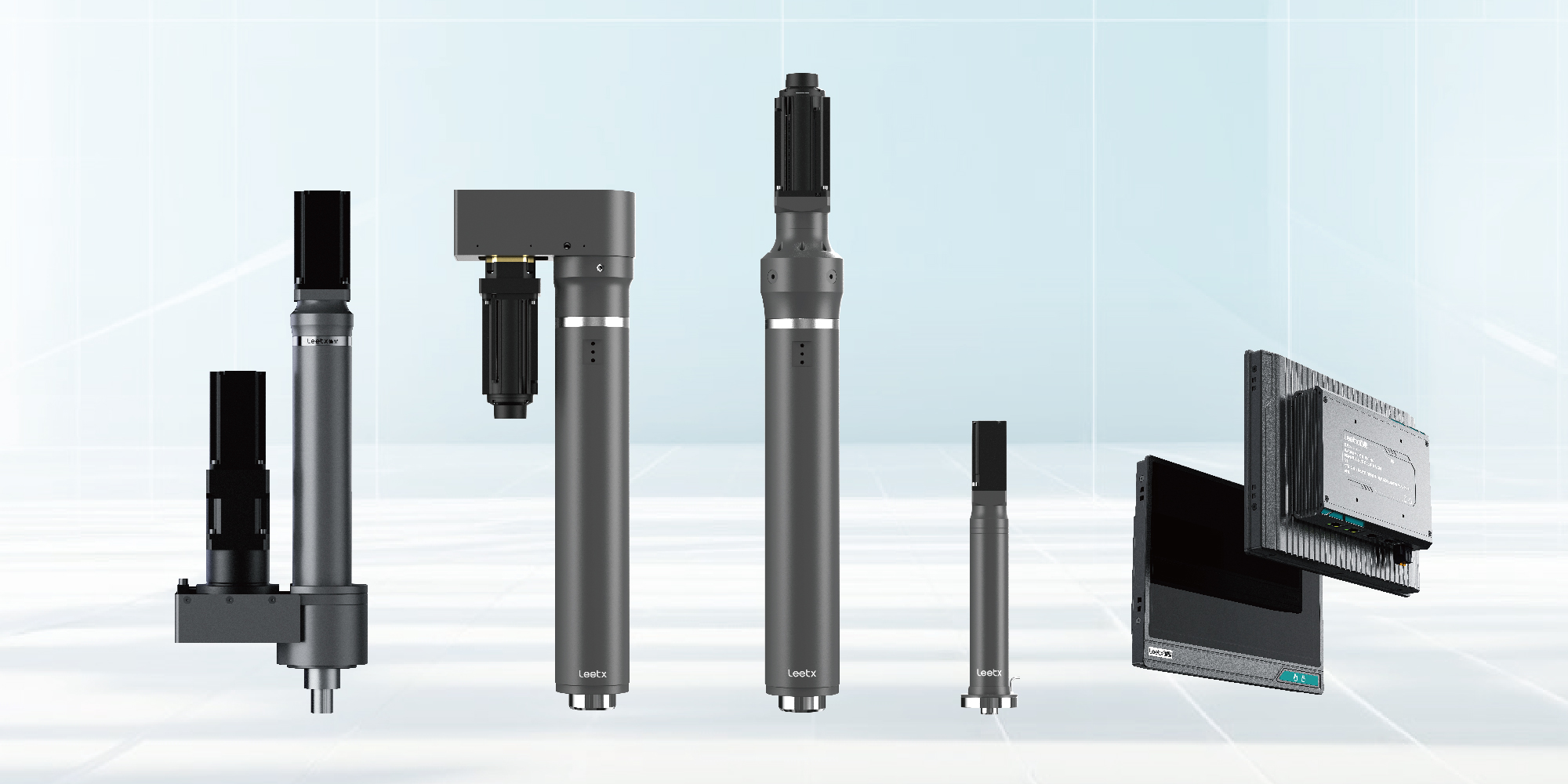
Tool format follows one question: who or what positions the tool? Leetx covers the three answers with dedicated tool families and controllers:
Fixed station. The check is whether the operator reaches every joint with the socket fully engaged, and whether balance and reaction support hold up over a shift rather than a demonstration.
Cordless station. The WCS.2000 keeps the process record intact when the link drops: each EWP or EWA tool stores up to 100,000 results and 10,000 curves on board and re-sends data recorded during a disconnection once it reconnects. Cordless describes mobility; the level of process control stays the same.
Automated station. EFS spindles run with parameters set once on the master controller, every spindle's status visible in real time, and the information layer connected to the PLC or MES. Where the station also feeds screws automatically, Leetx supplies the feeding module and the tightening controller together, so the handover between them is designed once. The article on evaluating automatic screw feeding systems covers that side.
Leetx Tip: Decide the tool format with the people who will use it. A corded tool that reaches every joint on the drawing can still be rejected by operators after a week if the torque arm or cable routing fights them. A short on-site test with the real workstation layout costs less than a change after installation.

4. Decide How Much Process Data the Station Must Produce
This is the step most often skipped, and it is where most of the cost difference between configurations sits. Three levels are worth separating, each covered by a defined part of the Leetx system:
Match the level to the quality plan. A station with one established product and periodic audit may need only the first. A safety-relevant joint under customer audit needs the third, and its budget includes the integration, not just the hardware.
Because the three levels are built on the same controller, a Leetx station can start at the first and add stored records or traceability later without replacing the tool. The requirements behind the third level are set out in the article on tightening data collection and traceability.

5. Validate on the Joint Before Committing
A specification review narrows the options. The decision comes from a trial on representative parts with the proposed tool, program and fixture, run long enough to see variation.
The trial should show three things:
- The required results are achieved across expected part variation.
- The tool reaches every fastener with the socket engaged, in the intended sequence.
- Where records are required, the correct operation produces the correct, retrievable record.
The trial also reveals where time is spent. Positioning, engagement and movement between joints often set the cycle even when the tool has ample speed, and the step-by-step curves from the TCS.2000 show which stage of each tightening takes longest.
Leetx Tip: Bring parts from the edges of the tolerance band to the trial, not just good ones. A program tuned on nominal parts can pass the demonstration and reject a quarter of production. Keep the trial curves so that program limits are set against real variation.

6. Cost the Complete Fastening Task
Price comparisons go wrong when they compare tools instead of tasks.
The purchase scope includes tool, controller, power equipment, sockets, torque arm or fixture, programming and the data connections the chosen level requires. Operating cost adds maintenance, calibration, wear parts and recovery arrangements when a tool is unavailable.
Compare those costs against the problem being solved:
- If records are meant to cut investigation time, establish how they will be retrieved.
- If automation is meant to raise throughput, measure the full station sequence.
- If a product change is planned, identify which tool, fixture or program will change.
Configuration affects cost over time as well. One Leetx controller family serves corded tools, cordless tools and spindles; the fieldbus module is optional; the data software is a separate layer. A station is specified at the level the current product needs and extended when a new variant or a traceability requirement arrives, which is a sounder basis for investment than the lowest tool price or the longest feature list.
Start From the Joint, Not the Catalogue
The six steps come down to one habit: collect the joint specification, the joint behaviour and the quality plan first, then let those decide tool format, control strategy and data level. A configuration chosen that way holds up when a product changes or an audit asks why a joint was accepted.
Leetx supports this process from joint review through on-site trial. To discuss a tightening application, share the fastener and joint drawings, approved tightening requirements, access constraints and intended station sequence with Leetx.
FAQ About Industrial Tightening Systems
Q1: Does a Tighter Torque Specification Guarantee More Consistent Clamp Load?
No. Torque control is one part of the joint process. Friction, fastener condition and joint design also affect clamp load, so tool accuracy alone does not establish the assembly's final mechanical performance.
Q2: Can the Same Tool Serve Several Product Variants?
Yes, where its torque range, access and supported control functions suit them. Different sockets, programs or fixtures may still be needed, and the station needs a defined way to select the right program for each variant. The TCS.2000 selects programs from a scanned barcode, a PLC signal or the operator interface.
Q3: Which Leetx Controller Fits a Corded Handheld Station?
The TCS.2000, which combines process control, data acquisition and the operator interface in one unit and controls Leetx corded screwdrivers, nutrunners and spindles. The matching controller version depends on the selected tool.
Q4: What Should Be Proven Before Moving a Configuration Into Production?
That the required results are achieved on representative assemblies, that the tool reaches every joint in the intended sequence, and, where records are required, that each operation produces a correct and retrievable record.