
















Which Screw Feeding Systems Allow Quick Changeovers Between Screw Sizes?
Screw feeding systems that change over quickly between screw sizes are built around three mechanisms: automatic head exchange at the working end, supply units that are separate per screw type or adjustable, and a feeding controller that stores the parameters for each specification. The tightening tool, program and station layout remain unchanged; only the components in direct contact with the screw are exchanged.
Leetx's Automatic Screw Feeding System provides these as the APP-Q module with QEAV quick-change heads, the TF90 screw presenters and FLH step feeder, and the FSC-2000 feeding controller.
The sections below show where a change in screw specification takes effect along the feeding path, which mechanism addresses each part, and how changeover time should be measured.
Where Does a Screw Change Take Effect?
A screw passes through five interfaces before it reaches the joint. Each responds to a different feature of the fastener, so a change in screw size is rarely a single change.
Head diameter or profile
Affects track support, the separation point and the pickup geometry of the module, whether a jaw head on a blow-feed module or the vacuum head of a pick-and-place module. The screw must remain supported and be presented in the same attitude.
Screw length
Affects separation clearance, the transfer path and the working reach. A longer screw must pass through and arrive oriented; a shorter one may tumble in a tube sized for the original.
Drive recess
Affects the bit only. Torque must pass through the correct interface; the upstream path is unchanged.
Captive washer or larger flange
Affects every clearance along the path. The widest part of the fastener determines compatibility.
Recessed joint or nearby wall
Affects working-head diameter and extension. A head that picks up the screw must also reach the hole.
Thread diameter describes none of this. Two M4 screws with different head profiles can require different tracks; two screws of different length can share a bit. Locating the change along the path is the first step in configuring a quick-change station.

What Head Exchange Changes, and What It Leaves Upstream
At the working end, a quick-change arrangement replaces the screw-specific head while the module and tightening tool remain. One tool set then serves several screws, provided the common tool covers the torque, speed and access each joint requires.
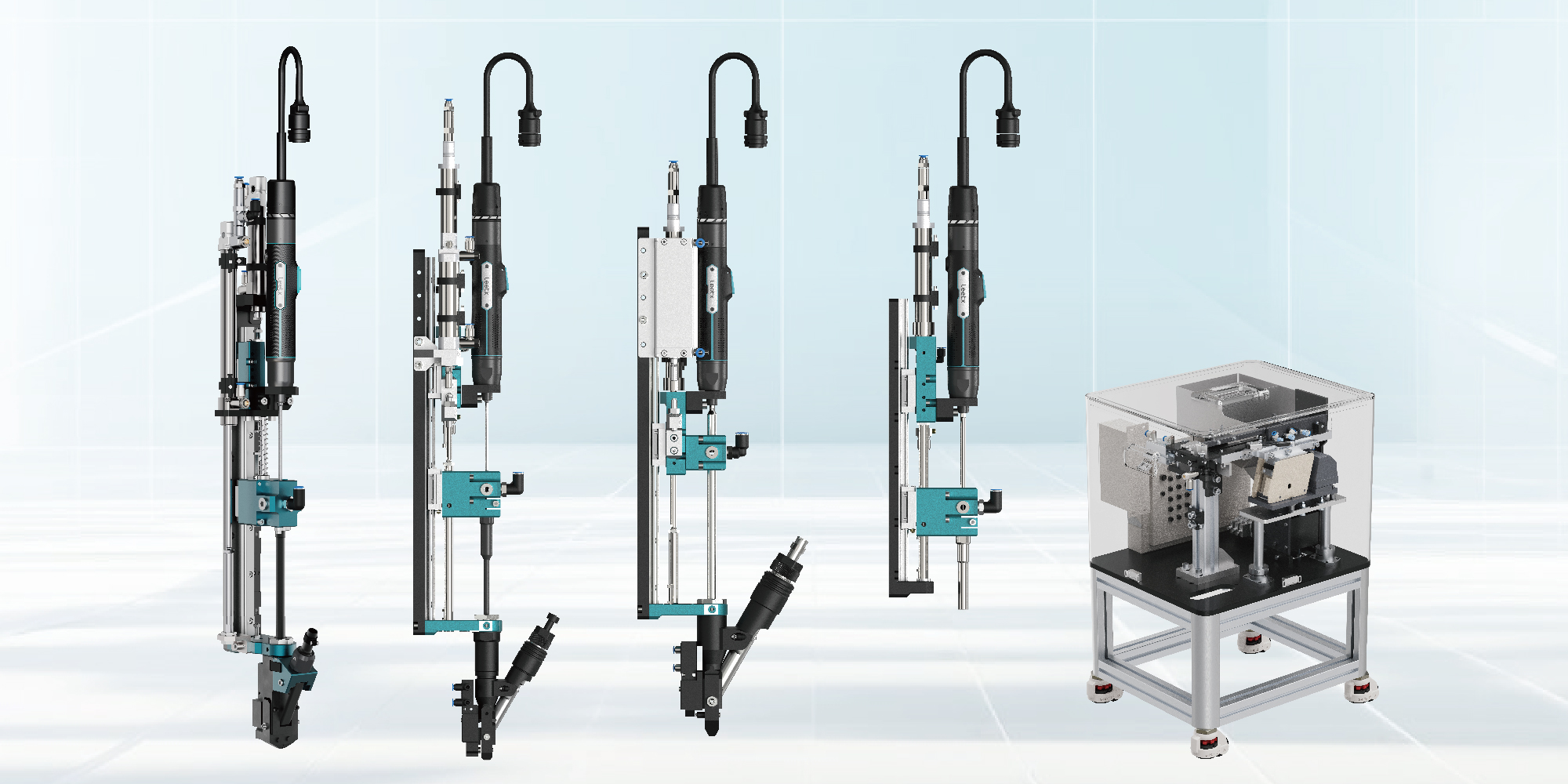
Leetx implements this with the APP-Q quick-change pick-and-place module and the QEAV quick-change base. The QEAV kit consists of the base and an exchangeable head; the APP-Q exchanges heads automatically at the station. Leetx lists one APP-Q configuration as compatible with up to 7 screw types, a maximum screw outer diameter of 8 mm and a station extension length of 200 mm, for internal- and external-drive screws.
Each exchange involves two interfaces. The head-to-tool connection must return the head to the same position on every exchange; a release mechanism that requires re-alignment afterwards does not shorten the changeover. The head-to-screw geometry must suit pickup, retention and access for the specific screw; this is the function the exchange provides.
Head exchange does not alter the upstream path. A second screw is not made compatible with the first screw's track, separator or delivery tube.

One Supply or Several?
A common working tool does not require a common bulk supply. The choice between the two arrangements follows the frequency of screw changes.
Several supplies. Each screw type keeps its own presentation position, typically one TF90 pick-and-place screw presenter per type for M2–M6 screws under 25 mm. Head exchange and program selection connect each supply to its fastening position. This suits products that require several screws in every cycle.
One changeable supply. Feeding components are adjusted or exchanged between batches: the TF90 by track width and disc, the FLH step feeder by escapement design within M3–M8, or a bowl feeder by tooling. This suits longer runs and requires reliable clearing of the previous screw from the path. Emptying the hopper leaves screws at the separator, in the tube and at the pickup point.

Which Leetx Component Handles Which Interface
For detailed specifications or a configuration for a specific screw family, contact Leetx.
Exchange Inside the Cycle vs. Between Batches
The same mechanism serves two production situations with different time calculations.
A short exchange time has a different value in each column. Identifying which situation applies comes before comparing mechanisms.
Why Changeover Is Measured to the First Accepted Assembly
Mechanical exchange time is only part of the changeover. The production measure runs from the last accepted assembly of the old configuration to the first accepted assembly of the new one. It contains four tasks: clearing or isolating the old supply, restoring the mechanical configuration, selecting the operating settings, and confirming the new assembly in the actual joint.
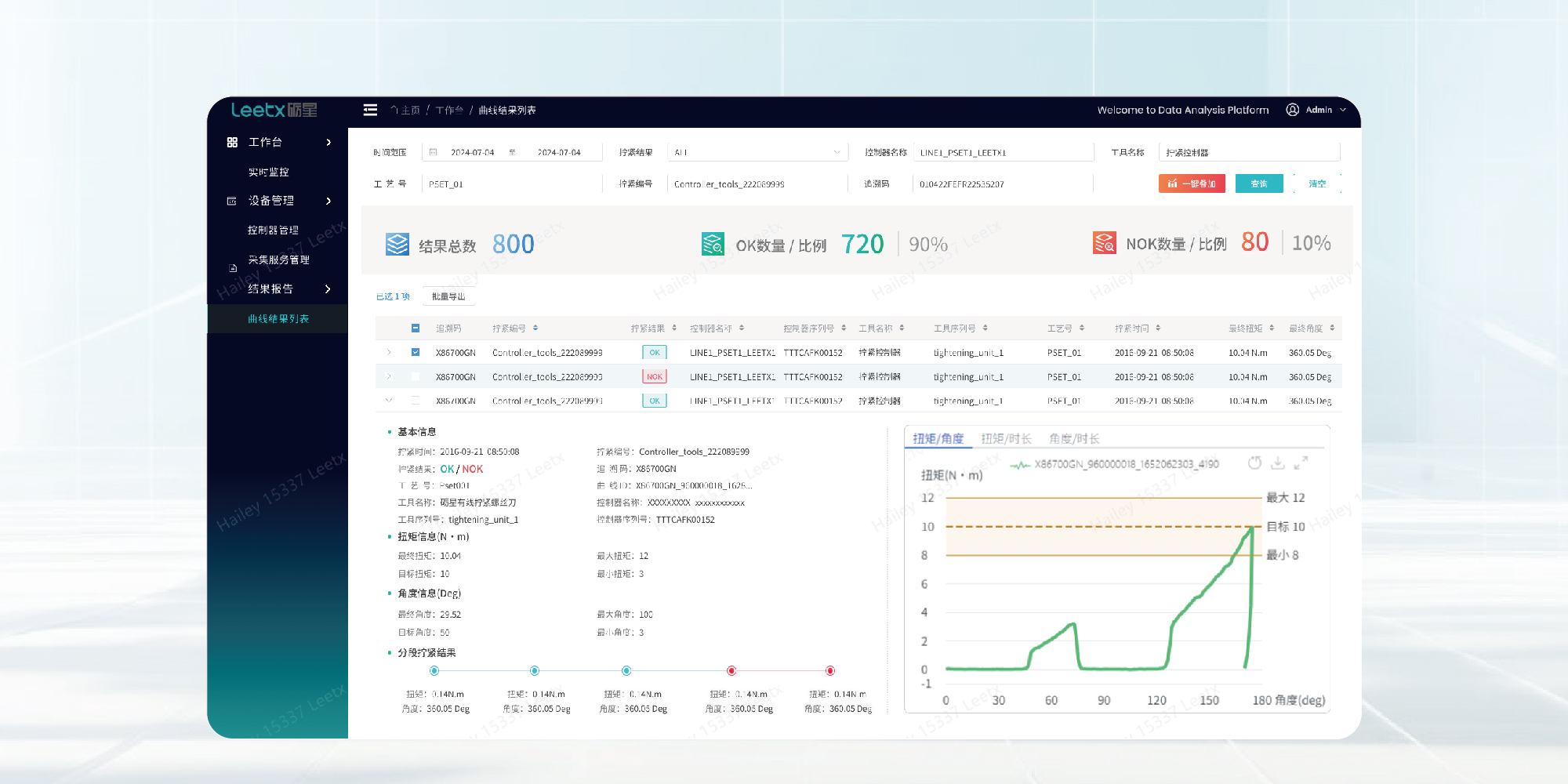
Head exchange shortens the second. The FSC-2000 shortens the third by storing the parameters for each configuration. A tube cleaner shortens the first where a shared delivery path must be emptied. The fourth is a matter of procedure: a changeover is complete when the new screw has been fastened in the joint, not when the head is locked in place.

Head, Screw and Program Must Correspond
An installed head does not confirm which screw has been supplied, and the correct screw does not confirm which program is active. The station requires a defined relationship between head, screw, program and joint.
Where the equipment supports it, identity checks and permission conditions prevent the station from running a mismatched set. Where selection is manual, identified change parts and a setup record serve the same purpose. Both are configuration work rather than inherent properties of a quick-change mechanism.
A failed pickup must also remain distinct from an interrupted tightening. Before fastening, the station is handling a missing or incorrectly presented screw; after fastening starts, the joint itself may require attention.
Configuring a Quick-Change Station
Once the change is located along the path, the configuration follows. If only the drive recess differs, a second bit on a QEAV head is sufficient. If the head profile differs, a second TF90 supply with head exchange. If the screws differ at every interface and run in long batches, a changeable supply with a defined clearing step. In each case the tightening tool and controller remain in place.
Leetx configures APP-Q, QEAV, TF90 and FLH combinations against the screw drawings and change pattern of each application, and validates the changeover on the customer's fasteners before the station design is fixed. For the wider evaluation of a feeding system, from fastener geometry to hole access, see Leetx's article on evaluating automatic screw feeding systems. To review a multi-size feeding application, share the screw specifications, product mix and changeover pattern with Leetx.
FAQ About Quick-Change Screw Feeding
Q1: Can a Quick-Change Head Eliminate Feeder Changes?
Only when the existing supply path is already compatible with the next screw. The head handles the working-end interface; changes in head shape, length or washer geometry can still require different upstream components or a separate supply.
Q2: Does Automatic Head Exchange Always Shorten the Product Cycle?
No. It makes a shared station practical, but movement and exchange take time. For multi-screw products, compare the full fastening sequence; for batches, evaluate the time to restore accepted production.
Q3: Which Leetx Modules Support Automatic Head Exchange?
The APP-Q pick-and-place module with the QEAV quick-change base. Together they exchange the screw-specific working head while the module and tightening tool remain in place.