
















Automatic Screw Feeding Systems for Automotive Assembly on Mixed-Model Lines
On a mixed-model line, the screw most likely to be wrong is the first one after the variant changes. Two trim brackets may use screws with the same drive recess and different lengths. Both fit the bit, and both will tighten. When the line switches from one bracket to the other, a screw from the previous build may still be waiting in the feed head.
Nothing about that screw looks wrong, which is what makes it hard to catch. The other weak points of mixed-model feeding are similar: a refill from the wrong bin, or a restart after a jam. In each case the system has to know which screw is where.
This article covers the four points worth settling before specifying automatic screw feeding systems for automotive assembly: the supply layout, the first screw after a change, refilling, and recovery after a stop.
Start With the Build Sequence, Then Choose the Supply Layout
How often the screw changes decides how the supply should be laid out. Three situations are common.
One screw, several positions. One feeder can serve two or more heads through a distributor. The point to check is whether a single supply keeps up when demand is at its peak.
Different screws, alternating from vehicle to vehicle. Each screw type is best given its own feeder and tube. Nothing has to be emptied or refilled when the variant changes. What needs attention is any section the channels share further down, because a shared section is where a leftover screw can sit.
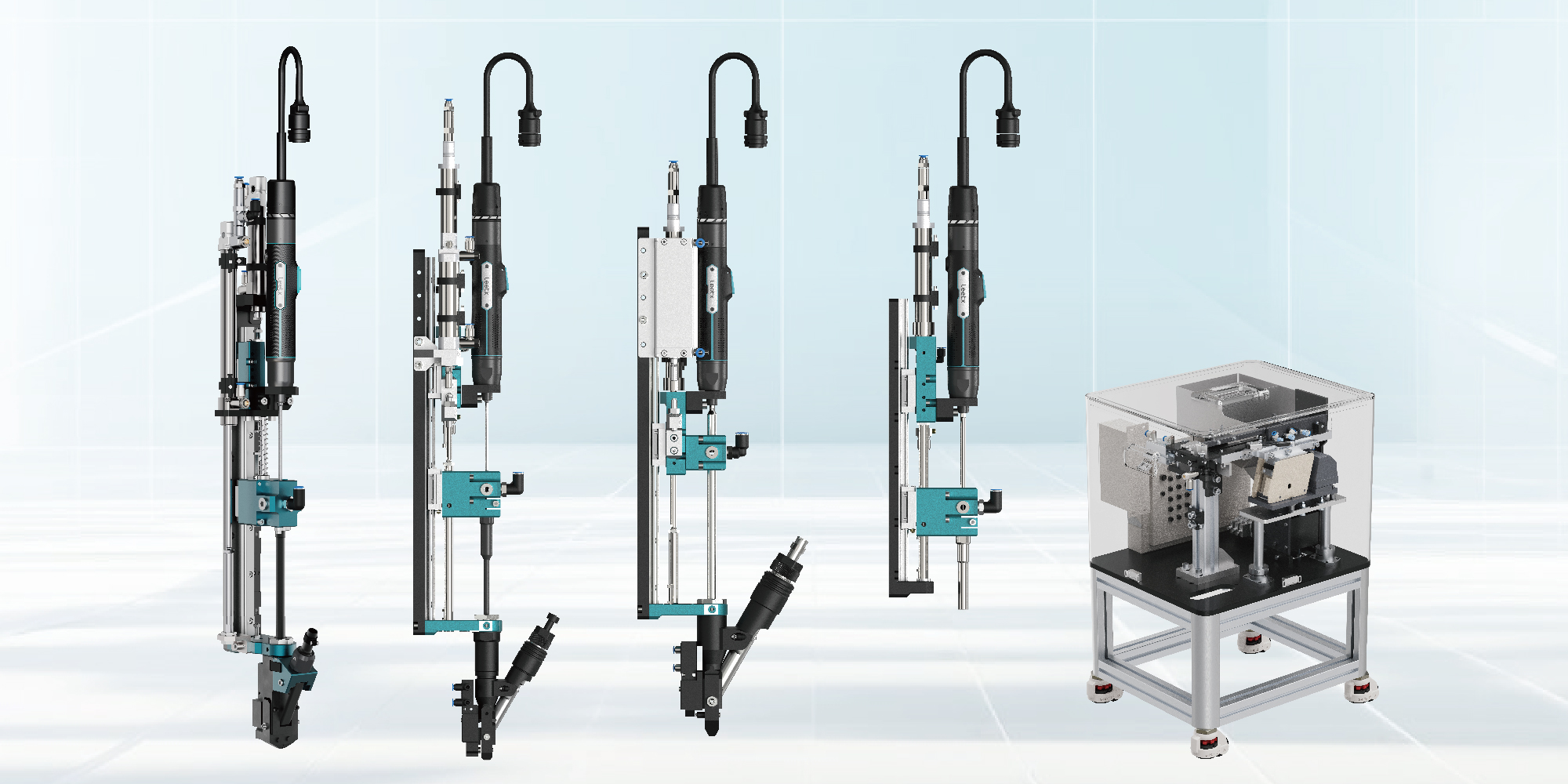
Different screws, changed by batch. One channel is changed over between batches. Here the cost is time: clearing out the old screws, changing the tooling and confirming the first good part. A cleaner accessory clears screws left in the tube. For screws that are picked from a presenter, this downtime can be compared with automatic head exchange for different screw sizes on the Leetx APP-Q module, which handles up to 7 screw types with a maximum screw outer diameter of 8 mm in one configuration.

The First Screw After a Variant Change
The example below shows why this screw deserves its own acceptance test. Variant A uses screw S-A and variant B uses the longer S-B. The drive recess is the same, and both feed paths end in the same head. The first B part has just been clamped.
The first row is the trap. The bin scan was correct, and a screw is present, yet the screw in the head may still be the wrong one. Three things are easily taken for one another:
- A bin scan confirms the label on the container.
- A presence signal confirms that a screw has arrived at the head.
- An identity check confirms that this screw is the right part number.
A sound system treats these as three separate results. When reviewing a design, it is worth asking the supplier where a screw from the previous build could still be: in the bowl, on the track, in the escapement, in the tube or in the head. The last point at which it could enter the tool is where the check belongs.
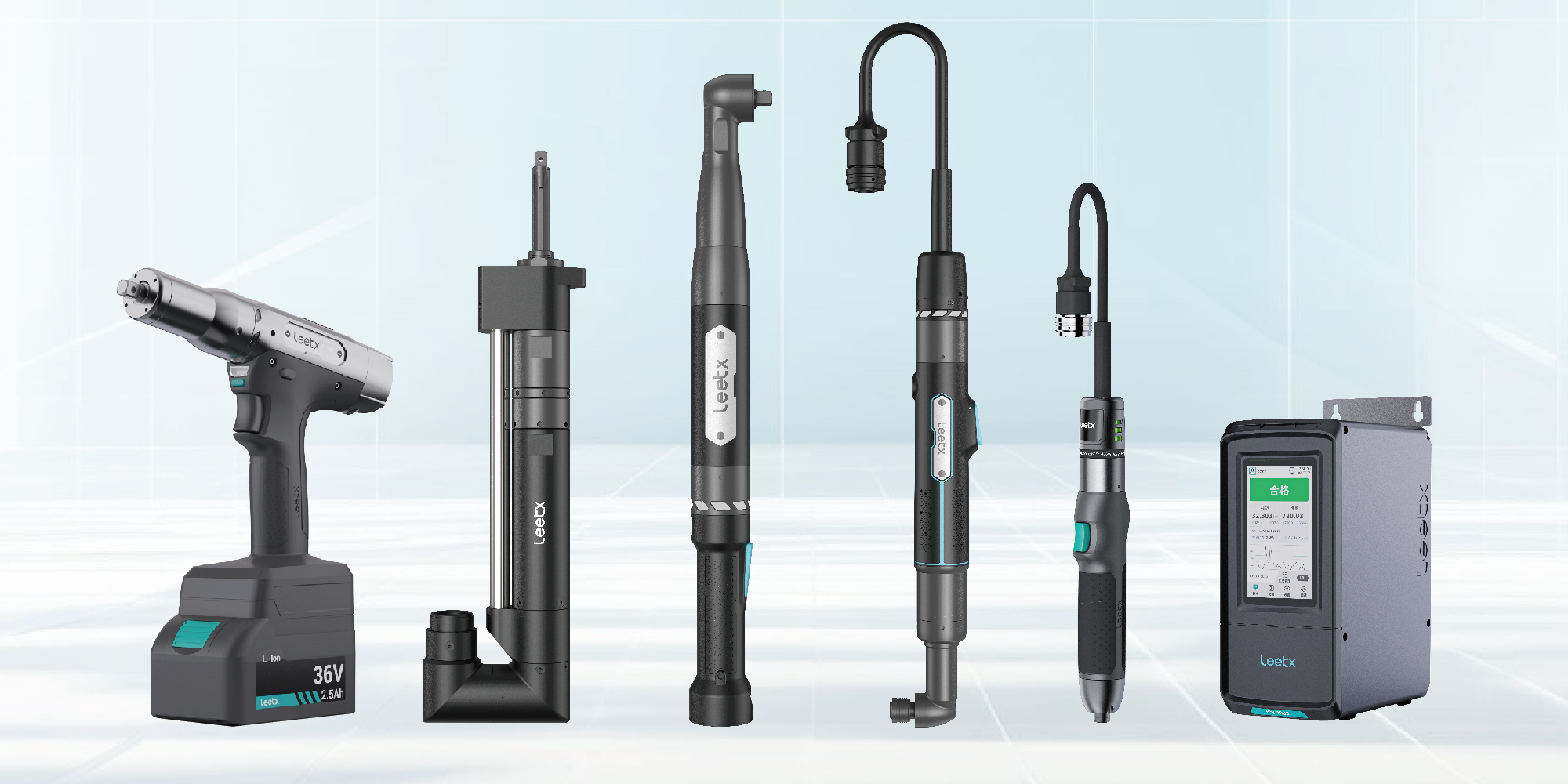
On the control side, the program should follow the part and not the operator. The Leetx TCS.2000 tightening controller selects its program from a scanned barcode or a PLC signal, and the Leetx FSC-2000 feeding controller stores the settings for each screw, so a change means calling up a saved setup.
Refilling While the Line Runs Its Normal Mix
Running out of screws stops the line, and refilling in a hurry is when the wrong bin gets used. Both risks are reduced by planning the refill from real numbers.
Start with consumption for each part number: the planned units of each variant multiplied by the screws each one takes. Averages can mislead. A run of high-consumption variants in a row can empty a channel well before the shift average suggests. Then measure the time from the low-level alarm to a completed refill, and check that the reserve in the feeder covers it.
The Leetx FLH step feeder comes in two sizes, 1 L for M3–M6 screws and 3 L for M6–M8. A low-level sensor raises an alarm before the feeder runs empty, and with a refill bin fitted the feeder is topped up automatically. Bins are available in 3, 10, 25 and 50 L, sized from screw consumption and the refill interval the plant wants.
A useful trial is to present the wrong bin on purpose, using the labels, bins and filling points planned for production, and see whether the check catches it before the screws are poured in. One limit should be understood: a scan verifies the code that was read. The link between that code and what is actually in the bin has to be kept by the material-handling process.
Where two screws look alike, ask what difference the proposed check can actually detect. A presence sensor shows that a screw has arrived. A difference in length needs a check of its own, or separation further upstream.

Recovering When Feeding Stops Halfway Through a Part
A jam in the middle of a part is where records and reality drift apart. Suppose the first position is finished when the second screw jams in the head. Before the station restarts, four things have to be clear: which part is clamped, which position has passed, which screw was removed, and which channel supplies the replacement.
The harder version of this test is at a variant boundary, when the next build has already been requested. The interrupted part has to keep its own program until it is finished, and the next part has to start with the correct screw. The whole interruption should be timed, including the checks and the release.
Recovery also raises a question of responsibility: who confirms that the screw has been delivered, and who authorises the next tightening. The division between feeding, tightening and station control is described in automatic screwdriving system components. On Leetx vacuum heads, suction detection confirms that a screw is on the head before it moves down, so a restart cannot run with an empty head.
What to Ask the Supplier to Demonstrate
Three witnessed runs cover the points above:
- A normal variant change, in both directions
- A refill, including a deliberately wrong bin
- Recovery from a feed that stops halfway through a part
For each run, it is reasonable to ask for the part ID, the screw part number, the channel that was selected, the release decision and the time taken. The record should also show which checks were made by the controls and which depended on an operator.
Leetx supplies the feeder, feeding controller, working head and tightening system together, and tests the configuration with the customer's screws and parts. To review a layout, send the variant table and name the two screws most likely to be confused on your line, then contact Leetx.
FAQ About Automotive Screw Feeding on Mixed-Model Lines
Q1: Can one screw feeding system supply two screw types to one head? Yes, if the head accepts both screws and the shared path can be cleared and checked at every switch. The first screw after a change should be tested in both directions.
Q2: How is the refill bin size chosen? From the demand for each screw type, the time a refill takes and the reserve in the feeder. Leetx offers 3, 10, 25 and 50 L bins. The most demanding build sequence is the one to test.
Q3: Does counting screws prevent the wrong screw being used? No. Counting confirms quantity. Identity is confirmed separately, through separate channels, material controls and, where needed, a check of a distinguishing feature such as length.
Sources