
















How to Choose a Servo Press Manufacturer for Industrial Assembly
Overview: Choosing a servo press manufacturer for press-fit assembly comes down to five things: a proposal that defines the whole station, a press platform configured to the process rather than picked from a list, a trial that produces evidence on the customer's own parts, an evaluation system that judges and records every cycle, and an acceptance and handover that leave the plant with a process it can reproduce. Force range and repeatability figures are inputs to these five; they do not replace them.
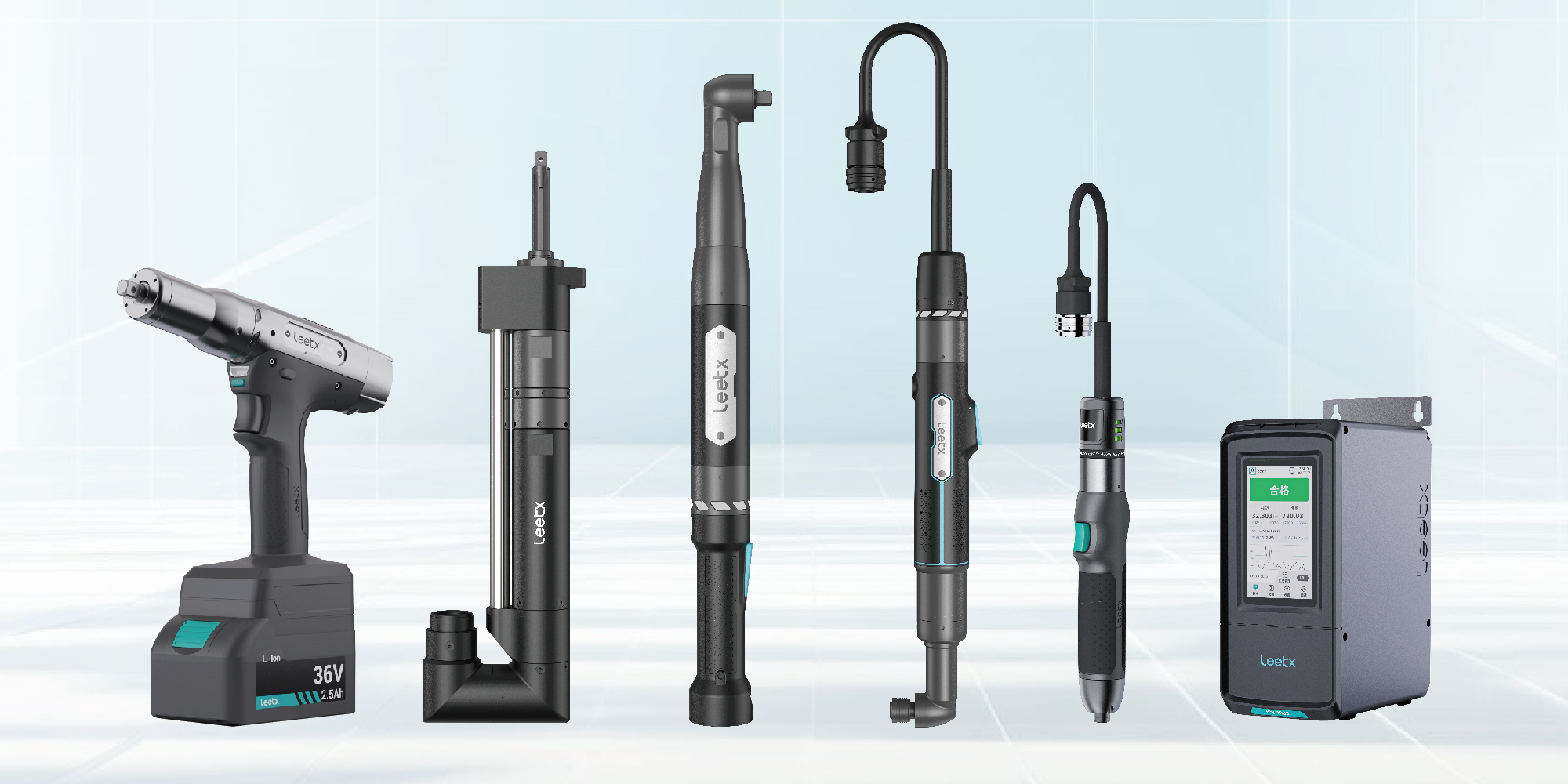
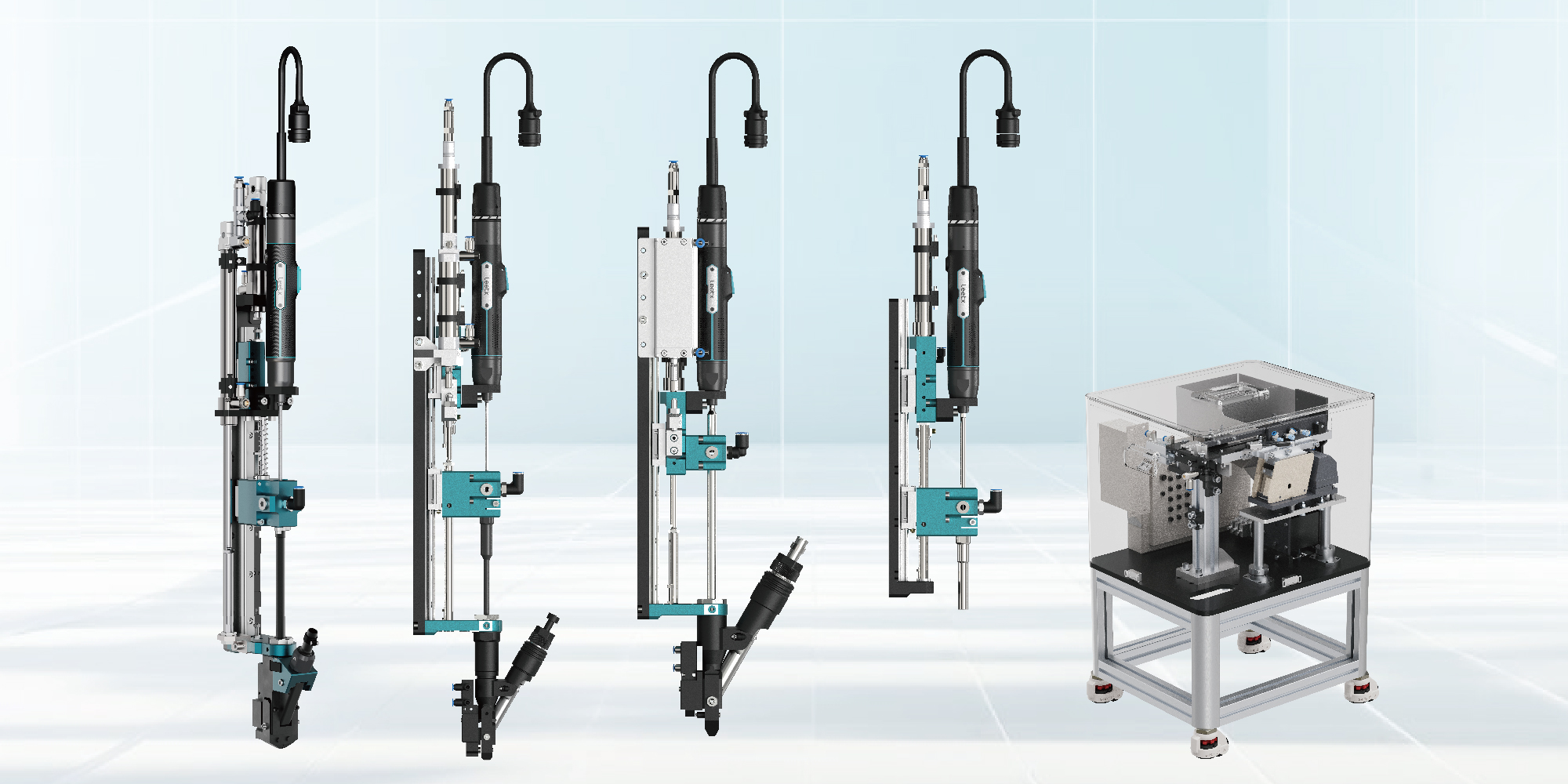
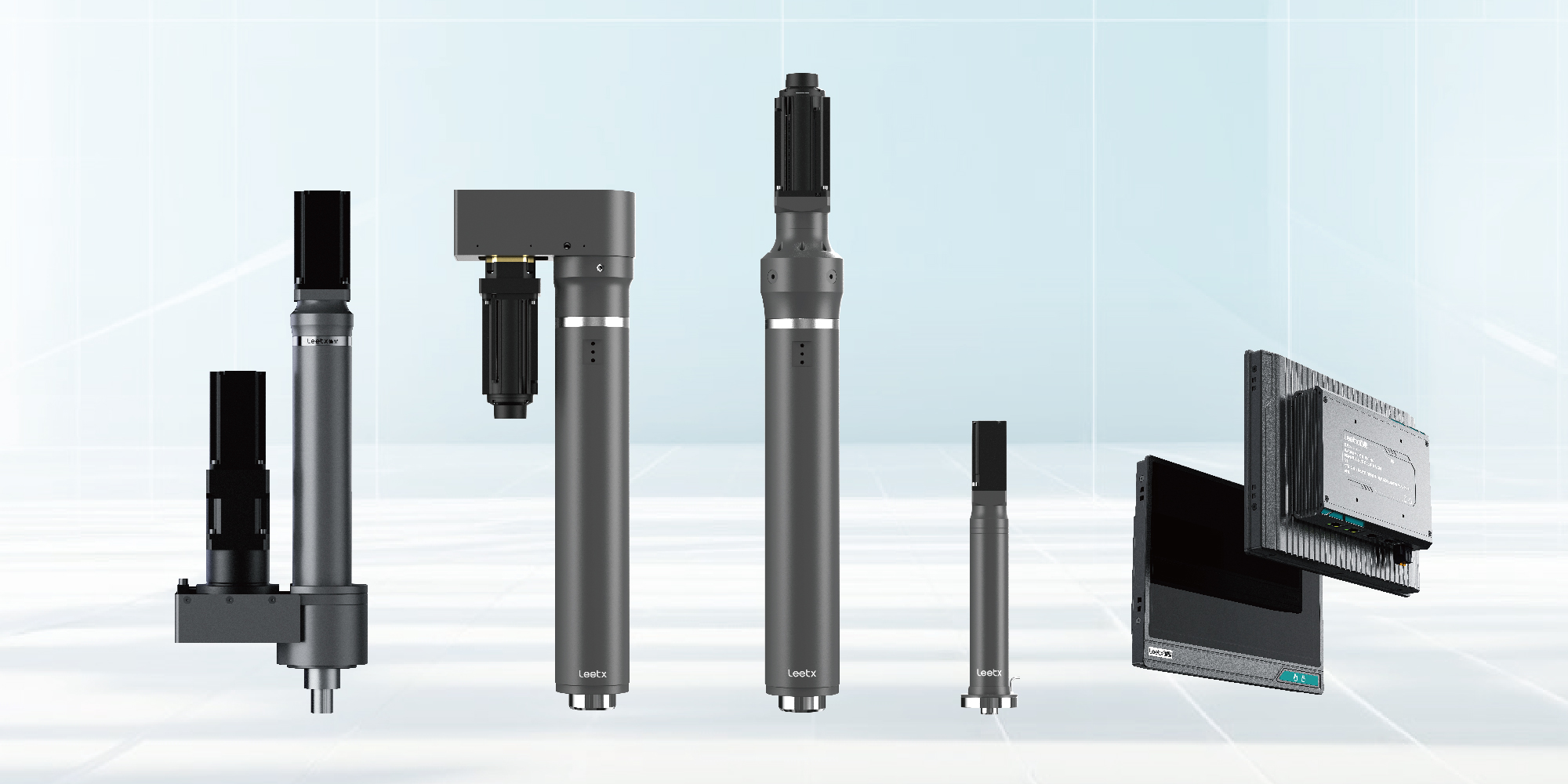
Leetx develops the servo drive, controller and monitoring software of its Servo Press System in-house. The line covers the AEPS servo press for press-fit assembly, process monitors and electric press cylinders, and servo riveting systems, with the Acquisition and Evaluation System providing force–displacement monitoring on every cycle. Applications run across automotive OEM, e-drive and powertrain, EV battery, thermal management, energy storage, construction machinery, wind, rail and home appliances.
Which press type suits the process, servo, hydraulic or pneumatic, is covered in servo, hydraulic and pneumatic presses; which specifications matter for precision press-fit in servo press selection. This article is about the manufacturer behind the press.
1. The Proposal Defines the Whole Station
A press-fit station is a press, tooling that locates the part, measurement that records the result, controls that act on it, and the integration that connects them. A proposal that prices only the press cannot be compared with one that covers the station, and a project that starts from the press alone discovers the other four during commissioning.
A proposal for a press-fit station states:
- The press package: force range, stroke, speed, mounting orientation and the monitoring system included.
- Additional measurement, such as an external displacement sensor, and what it changes in the achievable figure.
- Tooling scope: who designs and validates the fixture that locates and supports the part.
- Controls and integration: PLC interface, result transfer and who commissions the sequence.
Leetx builds the proposal from the part drawings, fit tolerances, pressing force and stroke, cycle conditions and acceptance criteria. Holding periods are part of this review: the AEPS product information calls for prolonged pressure-holding applications to be discussed in advance, so that hold time, force and cycle frequency are matched to the drive before the configuration is fixed.
2. The Platform Is Configured to the Process
A servo press platform is a range, not a model. The force sensor, stroke, speed and orientation are chosen for the working force and the station layout, and the stated accuracy applies where the process operates. A manufacturer who sizes the sensor to the largest force available rather than the working force gives up measurement resolution where it is needed.
Repeatability is tied to a measurement point. Ram travel, relative movement between the parts and a dimension measured after unloading are different characteristics, and the figure that reaches the part depends on the load path through fixture, frame and part. The external displacement sensor, referenced close to the feature of interest, is specified where the requirement sits at the part rather than at the ram.

3. The Trial Produces Evidence on the Customer's Parts
A trial has one of three purposes: feasibility, which shows that the sequence can assemble the samples; program development, which refines settings and evaluation windows; or a capability study, which needs a measurement plan, a sampling plan and representative parts. The purpose is agreed before parts are run, and the record states which it was.
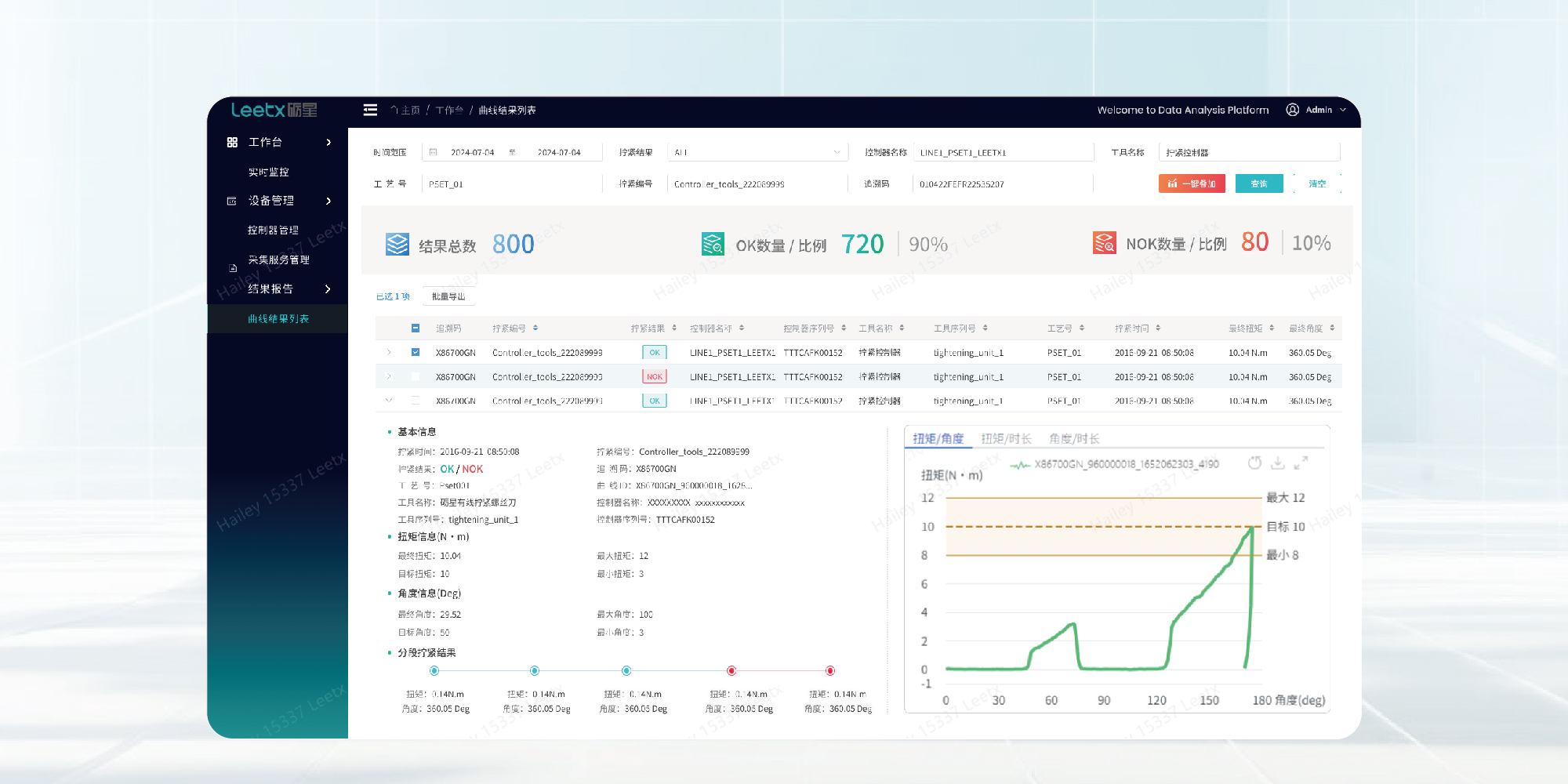
Leetx runs trials on the customer's parts, including parts from the tolerance extremes, and records the force–displacement curve of every stroke with the Acquisition and Evaluation System, sampling at 10 kHz and up to 500,000 points per curve. Each curve is linked to the inspected result of that assembly, so the curve has an established meaning. Evaluation windows and the reference curve are set from accepted parts and tested against tolerance-edge and deliberately defective parts, so that the windows can be shown to separate them before the station design is fixed.
Inspection is by the product's own acceptance method. A smooth curve and a reached endpoint do not replace a dimensional or functional check.
4. Every Cycle Is Evaluated and Recorded
In production, the evaluation system is the part of the station that decides whether each press-fit met its requirements and keeps the record. The manufacturer's monitoring capability therefore matters as much as the press.
The Acquisition and Evaluation System provides:
- Evaluation windows and reference-curve comparison on every cycle, with quick window setup and curve calibration.
- Inflection-point detection, so that process transitions trigger mid-cycle actions and quality gating.
- Trigger zones across each phase of the stroke, so the whole motion is monitored rather than the endpoint alone.
- Adaptive deceleration control, a Leetx-developed algorithm that adjusts approach speed to the part and keeps force overshoot within 1%.
- Selective parameter backup, so that the approved configuration is retrievable.
Results and the evaluation version are recorded with every cycle. How windows are built, how in-cycle response and end-of-cycle acceptance differ, and how every-cycle results enter the station sequence, including interrupted cycles and NOK handling, are covered in force–displacement monitoring for every press-fit cycle. Which responses the line control implements is agreed in the integration scope from the proposal.

5. Acceptance and Handover Leave a Reproducible Process
Factory acceptance demonstrates the functions production will depend on, before shipment: repeated operation over an agreed number of cycles on representative parts, each product variant with its program and tooling change, result evaluation including a deliberate NOK, retrieval of the agreed records with program and evaluation version, and recovery after a stop. An open-item list with an owner and completion condition carries anything not closed. Site acceptance then confirms what the supplier cannot reproduce: final installation, line interfaces, utilities and adjacent equipment.
Handover is the point at which the plant takes ownership of the process. The package includes:
- The approved program and evaluation version, with the trial curves they were set from.
- Tooling arrangement, measurement setup and acceptance evidence.
- Backups, restore procedure and the authorisation for setting changes.
- A review path for component revisions and new variants: whether they affect force, stroke, alignment, evaluation or the acceptance method before the existing program is reused.
A changed bushing supplier or a revised fit tolerance can move the contact point and the force profile without any change to the press. The review path exists so that this is caught at the drawing, not on the line.

Working With Leetx
Leetx delivers the five stages as one project: application sizing within the AEPS range, trials on the customer's parts, windows and reference curves set from accepted parts, factory acceptance of the agreed functions, and a handover package with program, evaluation version and backups. Fixtures, line integration and plant connections are scoped per project. Because drive, controller and software are developed in-house, the same platform serves press-fit, process monitoring and riveting applications, and the project is supported by Leetx's global service network.
To start a servo press project, share the part drawings, fit tolerances, pressing force and stroke, cycle conditions, holding requirements and acceptance criteria with Leetx.
FAQ About Servo Press Projects
Q1: Can One Servo Press Be Used for Several Product Variants?
Yes, provided each variant fits the force, stroke and operating envelope and has its own validated tooling and program. Product selection and setup verification prevent the wrong combination from running.
Q2: Should a Trial Use Only Nominal-Tolerance Parts?
Nominal parts support early feasibility work; they do not establish behaviour across the tolerance range. The qualification plan covers the variation relevant to the acceptance claim, and the evaluation windows are tested on tolerance-edge and defective parts.
Q3: Does a Higher-Capacity Press Give Better Measurement?
No. Measurement performance is assessed at the application's working load with the selected sensor. The AEPS force range is configured per application so that the sensor is sized to the process rather than to the largest force available.
Q4: Does Leetx Supply Riveting as Well as Press-Fit?
Yes. The Servo Press System line includes servo riveting systems alongside press-fit presses, process monitors and electric press cylinders, on Leetx's own servo drive and control platform.